





















If you or your loved ones live with diabetes or have noticed changes in your vision, it is strongly recommended to schedule a comprehensive diabetic eye screening. This allows the specialist to identify the cause and detect any early signs of diabetic eye disease before vision is affected.
Specialist Eye Care in Dubai & Abu Dhabi
At Moorfields Eye Hospital Dubai and Abu Dhabi, we bring the expertise of Moorfields Eye Hospital London to patients in the UAE. Our specialist teams provide diagnosis, treatment, and surgical care for a wide range of eye conditions.

Specialist eye care for adults and children
Modern surgical theatres, on-site pharmacy & optical services
Internationally accredited by JCI & ACHSI
Recognised by ACHSI as the first Centre of Excellence in Ophthalmology in the region
A clinical environment that supports the training of future healthcare professionals

200+

15+

400,000+

50+
About Moorfields Eye Hospitals UAE
Find out more about Moorfields in the UAE and our focus on delivering high standards of patient care.
Looking for a specific condition or treatment?
Search to find relevant services, information and specialists.
- Try:
Our Eye Care Services
We provide a comprehensive range of eye care services for adults and children by specialised teams of ophthalmologists, optometrists and orthoptists.
Meet Our Specialised Ophthalmologists

Dr. Ammar Safar
Chief Medical Officer and Consultant Ophthalmologist & Vitreoretinal SurgeonGCAA Approved Specialist Aviation Medical Examiner
Professor of Ophthalmology (Adjunct)
Brief Introduction
Dr. Ammar is the Chief Medical Officer of Moorfields Eye Hospitals UAE and a Consultant Ophthalmologist and Vitreoretinal Surgeon at Moorfields Eye Hospital Dubai. He also serves as an Adjunct Professor of Ophthalmology at Mohammed Bin Rashid University of Medicine and Health Sciences and as a GCAA-approved Specialist Aviation Medical Examiner. With extensive clinical, academic, and leadership experience across the United States, Syria, and the United Arab Emirates, Dr. Ammar brings a broad international perspective to his work in ophthalmology and healthcare leadership.
Areas of Expertise
- Vitreoretinal diseases and surgery
- Retinal Detachment surgery
- Diabetic retinopathy
- Macular hole surgery
- Cataract surgery
- Intravitreal injections
- Retinal vascular diseases and vascular occlusive disorders
- Age-related macular degeneration, including exudative macular degeneration
- Aviation Ophthalmology
Qualifications
- American Board-Certified Ophthalmologist
- Medical degree from Aleppo University, Aleppo, Syria
- Residency training in Ophthalmology at Georgetown University, Washington, DC, USA
- Served as Chief Resident at Georgetown University, Washington, DC, USA
- Fellowship in Vitreoretinal Diseases & Surgery at the University of Texas Southwestern Medical Centre, Dallas, Texas, USA
Professional Affiliations
- American Academy of Ophthalmology
- Fellow of the American College of Surgeons (FACS)
- American Society of Retina Specialists
- European Society of Retina Specialists
- American Society of Cataract and Refractive Surgery
- Association for Research in Vision and Ophthalmology (ARVO)
- Arab-American Medical Association
Research & Academic Work
- Adjunct Professor of Ophthalmology at Mohammed Bin Rashid University of Medicine and Health Sciences (MBRU)
- Former Assistant Professor and later Associate Professor and Director of Vitreoretinal Surgery at the Department of Ophthalmology, Jones Eye Institute, University of Arkansas for Medical Sciences, USA
- Conducted research and clinical trials in diabetic retinopathy and age-related eye diseases
- Research contributed to advances in the management of retinal vascular diseases, including diabetic retinopathy and vascular occlusive disorders
- Research contributed to new approaches for the treatment of exudative macular degeneration
- Inaugural recipient of The Martha Wood Bentley Endowed Chair of Ophthalmology at the University of Arkansas

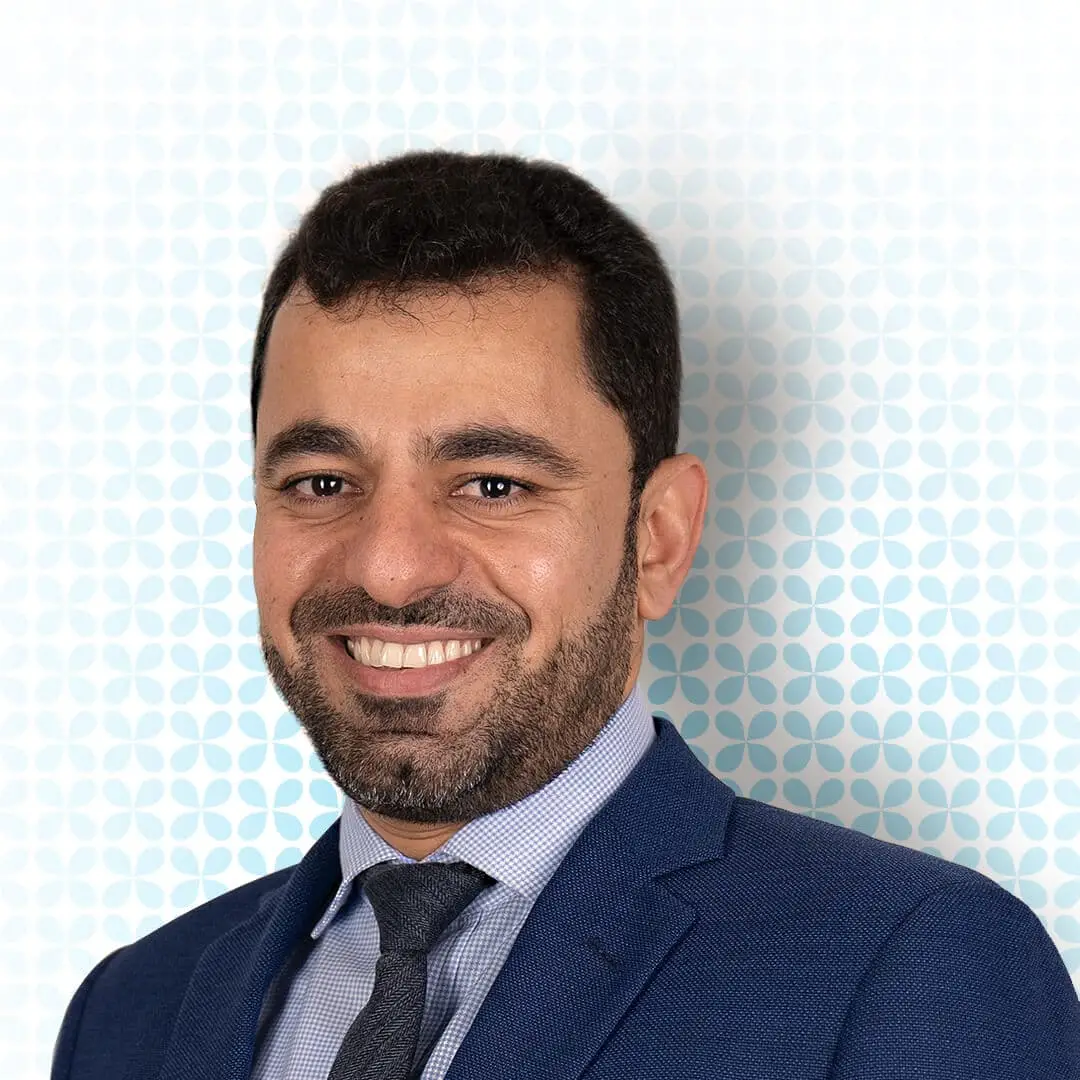
Dr. Esmaeil Arbabi
Medical Director and Consultant Ophthalmologist in Corneal transplant, Cataract & Refractive SurgeryDr. Esmaeil Mohammad Arbabi is a Consultant Ophthalmologist with excellent surgical experience including all types of corneal transplants (DMEK, DSAEK, PDEK, DALK, PKP), ocular surface reconstruction, complex cataract and laser refractive surgery.
Prior to joining Moorfields Eye Hospital Center, he was Consultant Ophthalmic Surgeon (Cornea, Cataract & Laser Refractive Surgery) and the Lead for Refractive Services at Royal Liverpool University Hospital, Liverpool, United Kingdom.
Dr. Esmaeil holds several prestigious degrees and certifications in the field of cataract and refractive surgery including MSc in Cataract and Refractive Surgery, Certificate in Laser and Refractive Surgery (CertLRS) from Royal College of Ophthalmologist and Fellow of European Board of Ophthalmology Subspecialty Diploma in Cataract and Refractive Surgery (FEBOS-CR).
He is a member of Royal College of Ophthalmologists, European Society of Cataract and Refractive Surgeons, European Board of Ophthalmology, UK Cross-Linking Consortium, EYE -LAW CHAMBERS – Medicolegal Expert and Expert, Association of Personal Injury Lawyers (APIL).
He is instrumental in high quality papers in various peer reviewed journals and numerous scientific and ophthalmology publications. He is also an examiner for the University of Leeds and the University of Liverpool and for the European Board of Ophthalmologist (FEBO exam).

Dr. Alia Issa
Aesthetic Oculoplastic SurgeonBrief introduction
Dr. Alia is an Aesthetic Oculoplastic Surgeon, specialising in surgical and non-surgical aesthetic eye treatments at Moorfields Eye Hospital Dubai in Dubai Healthcare City.
She has more than 13 years of regional and international experience in Ophthalmology across Germany, the United Kingdom and the United Arab Emirates.
Areas of Expertise
- Upper blepharoplasty (eyelid lift)
- Lower blepharoplasty (removal of lower eyelid bags)
- Brow lift, including hairline lift and direct brow lift
- Midface lift
- Management of festoons and malar oedema
- Management of lesions around the eyes
- Botox for medical and cosmetic purposes
- Dermal fillers around the eye area
- Filler dissolving
- Management of dry eye and blepharitis
Qualifications
- German Board-Certified Ophthalmologist
- Medical degree and Ophthalmology residency training completed in Germany
- PhD in Ophthalmology from the University of Dresden, Germany
- Fellowship training in Aesthetic Oculoplastics at the Ezra Clinic, London, UK
- Honorary Fellowship in Oculoplastics at Moorfields Eye Hospital London, UK
Professional Affiliations
- Member of the German Ophthalmic Society

Dr. Alaa A. Mohamed Abou Attawan
Consultant Ophthalmologist in Retina, Uveitis and Diabetic RetinopathyDr. Alaa A. Mohamed Abou Attawan has 15 years of experience in Ophthalmology. He is joining us from Moorfields Eye Centre at Bedford Hospital, United Kingdom, where he was a Consultant Ophthalmologist (Retina). Prior to that, he practiced in Tawam Hospital – Al Ain for 5 years where he set up the foundation and established the Retina service in Al Ain City – UAE.
In his role at Moorfields Eye Hospital Center Abu Dhabi, Dr. Attawan will be working as Consultant Ophthalmologist.
Dr. Attawan graduated from University of Aden, Yemen in 2002 obtaining his Bachelor of Medicine degree. Following his graduation, he moved to the UK to pursue his foundation medical training and further specialty training program in Ophthalmology at the Newcastle upon Tyne Hospitals NHS Foundation Trust and Yorkshire and the Humber School of Ophthalmology working across various hospitals in the UK such as Leeds Teaching Hospitals NHS Trust and Royal Victoria Infirmary from 2008 till 2015. Upon completion of his training, Dr Attawan was awarded the Certificate of Completion of Training (CCT).
He was also a Vitreo Retinal Surgery Fellow at Nottingham University Hospitals, UK from 2015 till 2016.
Dr. Attawan has been a Member since 2008 and a Fellow of the Royal College of Ophthalmologists since 2014. Dr Attawan was a former associate Tutor of the Royal College of Ophthalmologist in London and is actively involved in teaching and research. He has 10 Publications in various prestigious journals and is a well-known speaker at national and regional levels.
He was also one of the Top 10 consultant nominated by SEHA 2022 and he was the Retina service lead and co-founder of Retina service in Al Ain city UAE
Dr. Attawan’s scope of practice covers Cataract surgery, Diabetic eye disease, Retinal Vein occlusion, age-related macular degeneration, emergency eye trauma, and surgery. primary and complex Retinal detachment surgery. Macular hole and Membrane peel surgery.
Dr. Alaa is a Fellow of the Royal College of Ophthalmologists (FRCOphth).

Dr. Fahd Quhill
Consultant Ophthalmologist in Medical Retina and Ocular inflammatory disease (Uveitis)Clinical Professor Of Ophthalmology (Adjunct)
Brief intro
Dr. Fahd Quhill is a Consultant Ophthalmologist specialising in Medical Retina and Ocular inflammatory disease at Moorfields Eye Hospital Dubai in Dubai Healthcare City. He has over 25 years of international experience and trained in Ophthalmology across leading centres in the United Kingdom, including Oxford, Birmingham and London
Areas of Expertise
- Uveitis and ocular inflammatory diseases
- Infectious eye diseases
- Autoimmune diseases affecting the eye
- Complex inflammatory eye disease requiring immunosuppressive treatment
- Diabetic retinal disease
- Age-related macular degeneration
- Inherited retinal diseases
- Retinal vascular diseases
Qualifications
- Bachelor of Medicine and Bachelor of Surgery (MBChB), University of Birmingham, UK
- Fellow of the Royal College of Surgeons of Edinburgh (FRCSEd)
- Member of the Royal College of Ophthalmologists (MRCOphth)
- Bachelor of Medical Science (BMedSc), University of Birmingham, UK
- Ophthalmology specialist training in Oxford, Birmingham and London, UK
- Three Medical Retina Fellowships completed in Birmingham, Wolverhampton and Moorfields Eye Hospital London, UK
Professional Affiliations
- Member of the Royal College of Ophthalmologists
Research & Academic Work
- Clinical Professor of Ophthalmology (Adjunct)
- Principal Investigator in numerous clinical trials investigating macular degeneration, retinal vein occlusion and diabetic macular oedema
- Author of 27 research papers on retinal and ocular inflammatory diseases
- Research published in leading peer-reviewed journals, including Ophthalmology, British Journal of Ophthalmology and Eye

Dr. Hamed Abbasi
Specialist Ophthalmologist in Cornea and Refractive surgeryDr. Hamed Abbasi is a Specialist Ophthalmologist at Moorfields Eye Hospital Dubai, specialising in cornea and refractive surgery. He has 11 years of national and regional experience in ophthalmology, with clinical expertise spanning corneal disease, refractive procedures and cataract surgery.
Areas of Expertise
- Refractive surgery, including PRK, TransPRK, FemtoLASIK and FemtoSMILE
- Implantable Collamer Lenses (ICL)
- Cataract surgery, including multifocal intraocular lenses (IOLs)
- Corneal transplantation, including PKP, DALK, DSAEK and DMEK
- Keratoconus management
- Pterygium surgery
- Dry eye management
- Upper and lower eyelid blepharoplasty
Qualifications
- Doctor of Medicine (MD)
- Board of Ophthalmology Speciality, Shahid Beheshti University of Medical Sciences, Tehran, Iran
- Fellowship in Cornea and Refractive Surgery, Shahid Beheshti University of Medical Sciences, Tehran, Iran
Professional Affiliations
- Member of the Emirates Society of Ophthalmology
Research & Academic Work
- Published research in the field of cornea in peer-reviewed journals, including the American Journal of Ophthalmology and Eye, the journal of the Royal College of Ophthalmologists
- Serves as a peer reviewer for medical journals, including the American Journal of Ophthalmology and Medicine
- Regularly participates as a speaker and instructor at scientific congresses organised by the Emirates Society of Ophthalmology

Dr. Luisa M. Sastre
Consultant Ophthalmologist in General Ophthalmology and Cataract SurgeryGCAA Approved Specialist Aeromedical Examiner
Brief intro
Dr. Luisa Sastre is a Consultant Ophthalmologist in General Ophthalmology and Cataract Surgery at Moorfields Eye Hospital Dubai, in Dubai Healthcare City. She has a special interest in retinal diseases, including diabetic retinopathy and macular degeneration, among other retinal problems. She has more than 20 years of regional and international experience across Spain and the UAE, including practice at leading medical institutions in Madrid. Alongside her clinical work, she contributes to humanitarian initiatives providing cataract treatment to patients with limited access to specialist eye care.
Areas of Expertise
- General ophthalmology
- Cataract assessment and surgery
- Diabetic retinopathy
- Macular degeneration
Qualifications
- Medical degree from Universidad Autónoma Medical School, Spain
- Board Certification in Ophthalmology from Universidad Autónoma de Madrid, Spain
- Ophthalmology residency at Hospital Universitario Gregorio Marañón, Madrid, Spain
- Board Certification in Intensive Care Medicine
- Intensive Care Medicine residency at Fundacion Jiménez Diaz, Madrid, Spain
- PhD from Universidad Autónoma de Madrid, Spain
- Master’s degree in Healthcare Organisation Leadership from ESADE Business School, Spain
Professional Affiliations
- Member of Sociedad Española de Oftalmología (SEO)
- Member of Surgical Eye Expeditions International, a nonprofit humanitarian organisation supporting eye care clinics worldwide
Research & Academic Work
- Presented papers at national and international congresses
- Organised educational courses on cataract surgery and medical retina for professional peers and opticians
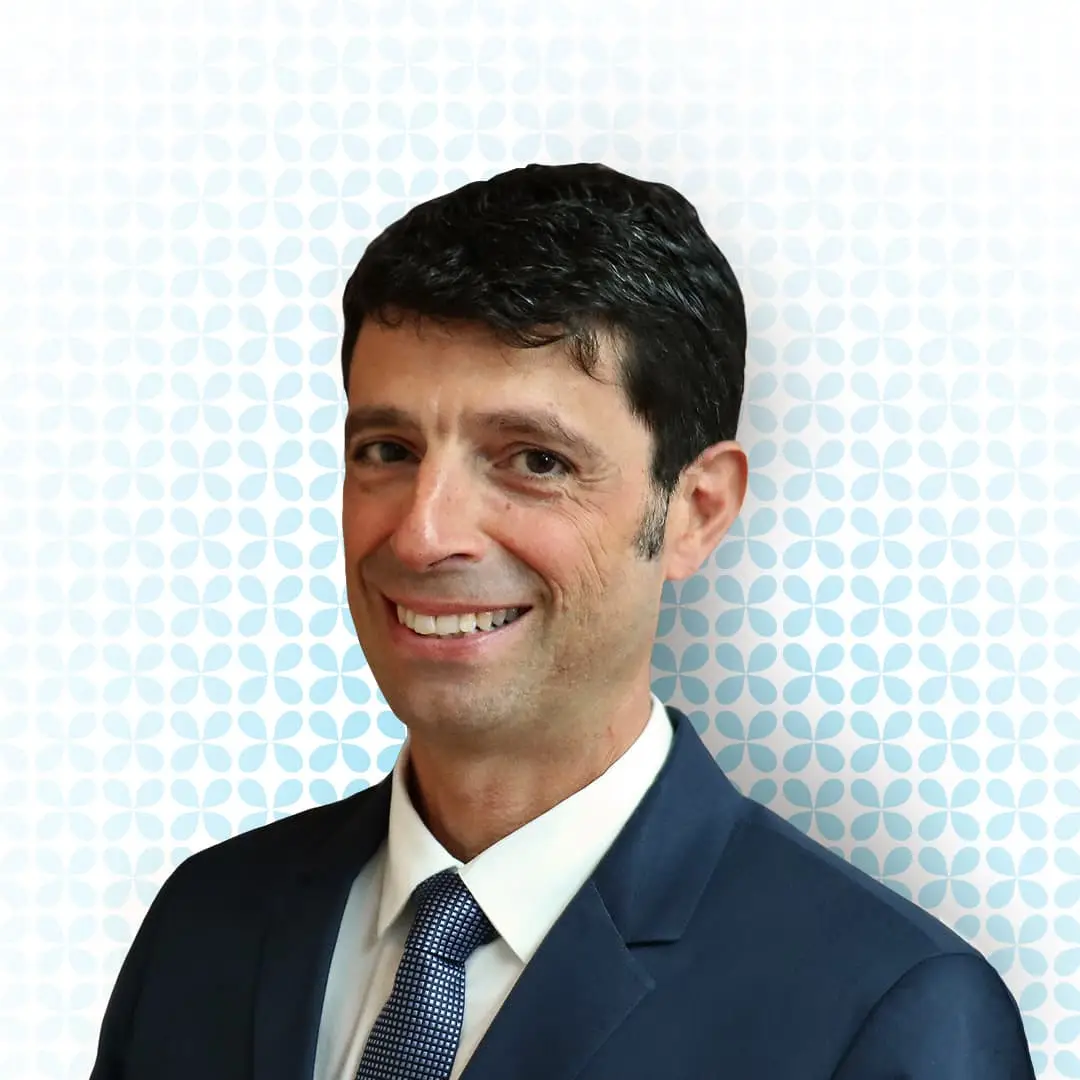
Dr. Miguel Morcillo
Consultant Ophthalmologist in Cornea, Cataract and Refractive vision correction surgeryDr. Miguel Morcillo is a Consultant Ophthalmologist specialising in Cornea, Cataract and Refractive Vision Correction Surgery at Moorfields Eye Hospital Dubai in Dubai Healthcare City. He has more than 25 years of international experience across Spain, Italy and the UAE, with extensive experience in anterior segment, cataract and refractive surgery.
Areas of Expertise
- Corneal diseases
- Cataract surgery
- Laser Vision correction surgery: LASIK, LASEK, TransPRK and SMILE
- Implantable Collamer Lenses (ICLs)
- Multifocal intraocular lenses (IOLs)
- Keratoconus surgery
Qualifications
- Degree in Medicine from the Universitat de Valencia, Spain
- Ophthalmology Residency completed through the MIR (Médico Interno Residente) programme of the Spanish Ministry of Health
- Advanced training in corneal surgery at NIIOS Eye Institute, Rotterdam, the Netherlands
Professional Affiliations
- Member of Sociedad Española de Oftalmología (SEO)
- Member of the Pan-American Association of Ophthalmology (PAAO)
- Member of the European Vitreoretinal Society (EVRS)
- Member of Surgical Eye Expeditions International (SEE International)
Research & Academic Work
- Research in surgical techniques and outcomes, including Ultrathin LASIK, keratoconus screening, ICLs and multifocal IOLs
- Presented research at national and international congresses and in scientific journals
- Organised educational courses on refractive surgery for ophthalmology peers and opticians
- Experienced educator of surgeons in anterior segment and refractive surgery
- Contributed to the development and implementation of refractive treatments including LASIK, LASEK, ICLs and multifocal IOLs
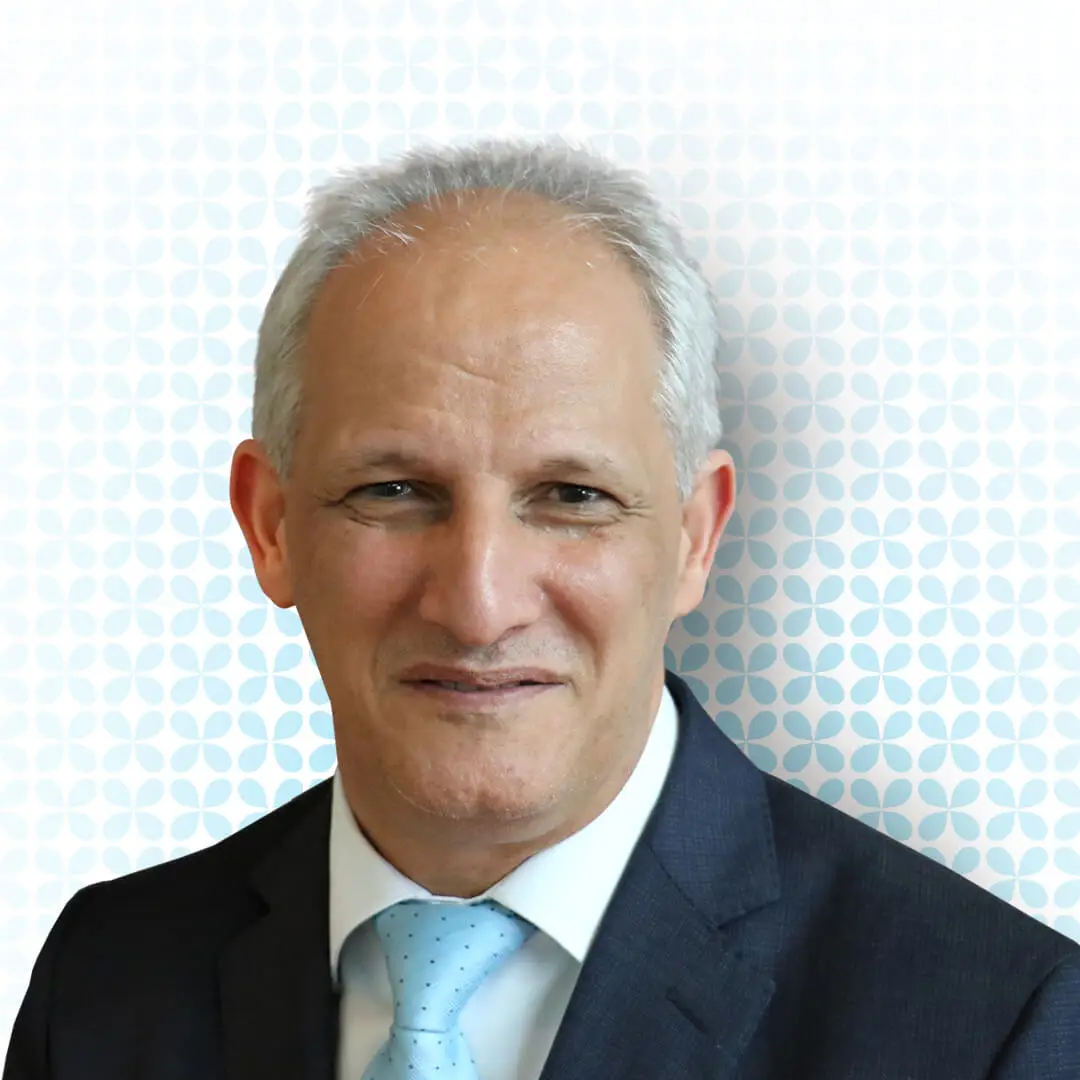
Dr. Osama Giledi
Consultant Ophthalmologist in Cataract, Cornea and Refractive Vision Correction SurgeryChief of Cornea and Refractive surgery
GCAA Approved Specialist Aeromedical Examiner
Associate Professor Of Ophthalmology (Adjunct)
Brief intro
Dr. Osama Giledi is a highly experience Consultant Ophthalmologist, specialising in cornea, ocular surface disorders, cataract and refractive surgery at Moorfields Eye Hospital Dubai in Dubai Healthcare City.
He has more than 28 years of clinical and surgical experience in the United Kingdom and the United Arab Emirates. His practice encompasses advanced corneal therapeutics, complex corneal disease management, complex cataract surgery and laser vision correction. He has performed more than 28,000 refractive surgery procedures, with a strong focus on achieving safe, precise and individualised visual outcomes.
Areas of Expertise
Cataract & Premium Lens Surgery
- Advanced phacoemulsification cataract surgery
- Premium intraocular lenses, including toric, multifocal and extended-depth-of-focus (EDOF) lenses
Corneal Transplantation & Complex Corneal Disease
- Full-thickness and partial-thickness corneal transplantation
- SALK, DALK and DSAEK procedures
- Management of complex corneal disorders
- Advanced surgical and non-surgical corneal therapeutics
Laser Vision Correction & Refractive Surgery
- SMILE
- Femto-LASIK
- PRK and TransPRK
- Phakic intraocular lenses, including ICL
Keratoconus Management
- Corneal cross-linking
- Intracorneal ring segments
- Complex laser treatments
- Corneal transplantation
Ocular Surface & External Eye Disease
- Severe dry eye disease
- Meibomian gland dysfunction (MGD)
- Pterygium
- Limbal stem cell deficiency
- Ocular surface reconstruction
- Amniotic membrane grafting
- Pterygium excision with conjunctival autograft and fibrin glue techniques
Qualifications & Specialist Training
- MBBCh, Medical Degree, Libya
- Specialist Ophthalmology Training, United Kingdom
- FRCSEd (Ophthalmology), Royal College of Surgeons of Edinburgh, UK
- Certification in Refractive Surgery, Royal College of Ophthalmologists, London, UK
- Six-month Clinical Fellowship in Cornea and External Eye Disease, Royal Victoria Infirmary, Newcastle, UK
- Two-year Higher Subspecialty Fellowship in Anterior Segment, Cornea and Refractive Surgery, Corneoplastic Unit and Eye Bank, Queen Victoria Hospital, East Grinstead, UK
Professional Affiliations
- Royal College of Surgeons of Edinburgh, UK
- United Kingdom & Ireland Society of Cataract and Refractive Surgeons ( UKISCRS)
- European Society of Cataract and Refractive Surgeons (ESCRS)
- American Society of Cataract and Refractive Surgeons (ASCRS)
- Emirates Ophthalmology Society (ESO)
- Member, UAE National Organ and Tissue Program Corneal Transplant Committee
Research & Academic Work
- Associate Professor of Ophthalmology (Adjunct) at Mohammed Bin Rashid University of Medicine and Health Sciences (MBRU)
- Extensive experience in ophthalmic teaching and surgical trainingin
- Presenter at national and international ophthalmology meetings
- Author of research published in peer-reviewed scientific journals

Dr. Salman Waqar
Consultant Ophthalmologist in Adult and Paediatric Glaucoma and Cataract surgeryAssociate Professor Of Ophthalmology (Adjunct)
GCAA Approved Specialist Aviation Medical Examiner
CASA Designated Aviation Ophthalmologist (DAO)
Brief intro
Dr. Salman Waqar is an experienced consultant ophthalmologist specialising in the treatment of adult and paediatric glaucoma and cataracts at Moorfields Eye Hospital Dubai in Dubai Healthcare City. He has more than 20 years of International clinical experience in the United Kingdom, including consultant and clinical leadership roles across several leading eye care institutions.
Areas of Expertise
- Adult and paediatric glaucoma
- Medical, laser and surgical management of glaucoma
- Minimally invasive glaucoma surgery (MIGS), including iStent, KDB, GATT and ECP
- Glaucoma filtration surgery, including augmented trabeculectomy
- Aqueous shunt devices, including PAUL Implant, Ahmed ClearPath, Ahmed Valve, Baerveldt Tube and PRESERFLO
- Glaucoma laser treatments, including Selective Laser Trabeculoplasty, Laser Iridotomy and Cyclodiode Laser
- Microincisional and sutureless cataract surgery
- Cataract surgery using monofocal, toric, multifocal and extended depth of field intraocular lenses
- Cataract surgery for aviation professionals
- General ophthalmology, including dry eye, blepharitis, eye pain and decreased vision
- GCAA-accredited specialist aeromedical examinations
Qualifications
- Medical degree completed in Pakistan University of Health Sciences, Lahore, PakistanCertificate of Completion of Training (CCT), UK
- Fellow of the Royal College of Ophthalmologists (FRCOphth), UK
- Subspecialty training in glaucoma at the West of England Eye Unit, Exeter, UK
Professional Affiliations
- Member of the United Kingdom and Eire Glaucoma Society (UKEGS)
- Member of the European Society of Cataract and Refractive Surgeons (ESCRCS)
- Member of the American Academy of Ophthalmology (AAO)
- Full registration with License to Practice with the General Medical Council, UK
Research & Academic Work
- Associate Professor of Ophthalmology (Adjunct) at Mohammed Bin Rashid University of Medicine and Health Sciences (MBRU)
- Former Honorary Fellow at Plymouth University (UK), involved in the training of doctors and surgeons
- Research focused on improving patient outcomes with minimally invasive glaucoma surgery
- Research using virtual reality simulation to investigate surgeon performance
- Contributed to the development of innovative surgical instruments designed to improve patient safety
- Published extensively in peer-reviewed journals, including the British Journal of Ophthalmology and the Journal of Cataract & Refractive Surgery
- Regular presenter at national and international ophthalmology meetings
- Recipient of multiple research grants
- Co-author of four medical textbooks
- Surgical skills instructor for minimally invasive glaucoma surgery courses
- Instructor on microsurgical skills courses with the Royal College of Ophthalmologists
- Nominated for the Peninsula School of Ophthalmology Regional Trainer of the Year Award in 2019 (UK)

Dr. Salma Yassine
Consultant Ophthalmologist in Paediatric Ophthalmology and Adult & Paediatric Neuro-ophthalmologyDr. Salma Yassine is a Consultant Ophthalmologist, specialising in Paediatric Ophthalmology and Adult and Paediatric Neuro-Ophthalmology at Moorfields Eye Hospital Dubai in Healthcare City Dubai. With international clinical experience in Lebanon and the United States, Dr. Salma has completed advanced fellowship training in neuro-ophthalmology, paediatric ophthalmology and strabismus. Her combined expertise enables her to assess eye conditions involving children’s vision, eye alignment and the relationship between the eyes, optic nerves and brain.
She also holds a Master’s degree in Clinical Operations from Harvard Medical School, complementing her clinical expertise with advanced training in healthcare delivery and clinical operations.
Areas of Expertise
- Paediatric ophthalmology (pediatric ophthalmology)
- Adult neuro-ophthalmology
- Paediatric neuro-ophthalmology
- Children’s eye care
- Squint and eye misalignment (strabismus)
- Neuro-ophthalmic assessment
- Eye, optic nerve and brain-related visual conditions
Qualifications
- Bachelor of Science with High Distinction from the American University of Beirut, Lebanon
- Medical degree from the American University of Beirut, Lebanon
- Ophthalmology residency at the American University of Beirut Medical Center, Lebanon
- Fellowship in Neuro-Ophthalmology at the University of Minnesota, USA,
- Fellowship in Paediatric Ophthalmology and Strabismus at Children’s National Medical Center, Washington, DC, USA
- Master’s degree in Clinical Operations from Harvard Medical School, USA
Professional Affiliations
- Member of the American Association for Pediatric Ophthalmology and Strabismus (AAPOS)
- Member of the North American Neuro-Ophthalmology Society (NANOS)
- Member of the Lebanese Ophthalmological Society (LOS)
Research & Academic Work
- Research in intracranial hypertension and nanophthalmos
- Published research on nystagmus and nanophthalmos in leading scientific journals

Dr. Suhair Twaij
Consultant Ophthalmologist in Adult & Paediatric Strabismus Surgery, Paediatric Ophthalmology, Adult Cataract SurgeryGCAA Approved Specialist Aviation Medical Examiner
Brief intro
Dr Suhair Twaij is a Consultant Ophthalmologist with expertise in adult and paediatric Strabismus surgery, Paediatric Ophthalmology, adult Cataract Surgery and General Ophthalmology at Moorfields Eye Hospital Dubai in Dubai Healthcare City. She has more than 20 years of regional and international experience in ophthalmology, including the UK and UAE.
Areas of Expertise
- Adult and paediatric strabismus (squint) surgery using adjustable surgery technique
- Complex strabismus surgery, including adjustable suture techniques where appropriate
- General paediatric ophthalmology, including eyelid disorders and watery eyes, including probing and syringing with and without tubes and developmental cataract.
- Myopia management.
- Double vision management using prisms, surgical treatment, and others.
- Adult cataract surgery phacoemulsification with intraocular lens implantation.
- Botox treatment for strabismus and double vision.
- Botox treatment for blepharospasm and hemifacial spasm
- General ophthalmology disorders for adults, including eyelid disorders, dry eye disease, blepharoplasty upper eyelid, diabetic retinopathy assessment and others
- YAG laser for capsular opacification
Qualifications
- Medical degree from Baghdad University Medical School, Iraq
- Ophthalmology specialist training in England and Northern Ireland, UK
- Certificate of Completion of Training (CCT) in Ophthalmology, UK
- Fellowship of the Royal College of Ophthalmologists (FRCOphth)
- Fellowship of the Royal College of Physicians and Surgeons of Glasgow in Ophthalmology (FRCS Ophth Glasg)
- Postgraduate Diploma in Cataract & Refractive Surgery, University of Ulster UK
Professional Affiliations
- Member of the Royal College of Ophthalmologists (RCOphth)
- Member of the British & Irish Paediatric Ophthalmology and Strabismus Association (BIPOSA)
- Member of the European Strabismological Association (ESA)
Research & Academic Work
- Published research indexed in MEDLINE across a range of ophthalmology topics
- Research includes medical retina, paediatric ophthalmology and oculoplastics

Dr. Tulika Kar
Specialist Ophthalmologist in Paediatric Ophthalmology and Strabismus, Retinopathy of Prematurity (ROP), and Paediatric and Adult Cataract SurgeryDr. Tulika is a Specialist Ophthalmologist in Paediatric Ophthalmology and Strabismus, Retinopathy of Prematurity (ROP), and Paediatric and Adult Cataract Surgery at Moorfields Eye Hospital Dubai. She has more than 26 years of clinical and surgical experience across regional and international healthcare settings, including 10 years in the UAE. She has performed more than 500 paediatric procedures, including strabismus and cataract surgery, as well as over 28,000 adult Cataract surgeries.
She also has a special interest and expertise in screening, diagnosis, retinal laser treatment, and intravitreal anti-VEGF therapy for Retinopathy of Prematurity (ROP); she has been a member of the Emirates Society of Ophthalmology Taskforce for ROP Management Guidelines and collaborated on the consensus statement on ROP management in the UAE.
Areas of expertise
Paediatric Ophthalmology
Paediatric & Adult Squint (Strabismus)
Retinopathy of Prematurity
Adult & Paediatric Cataract Surgery
Lazy Eye (Amblyopia)
Progressive Myopia Management
Probing of Lacrimal Apparatus
Qualifications
- MS (Ophthalmology) from Meerut University, India
- FRCS Ophthalmology (Glasgow)
- Fellow, American College of Surgeons (FACS)
- Fellowship in Paediatric Ophthalmology and Adult Strabismus
- Fellowship in Phacoemulsification and General Ophthalmology
Professional Affiliations
- American Academy of Ophthalmology (AAO)
- World Society of Pediatric Ophthalmology and Strabismus
Research and Academic work
- Research in paediatric cataract
- Research in strabismus and ocular motility disorders
- Research into ophthalmic complications affecting premature and neurologically vulnerable children
- Published research in peer-reviewed journals
- Presented research at national and international conferences, including the American Academy of Ophthalmology (AAO), World Society of Paediatric Ophthalmology and Strabismus (WSPOS) and Emirates Society of Ophthalmology (ESO)
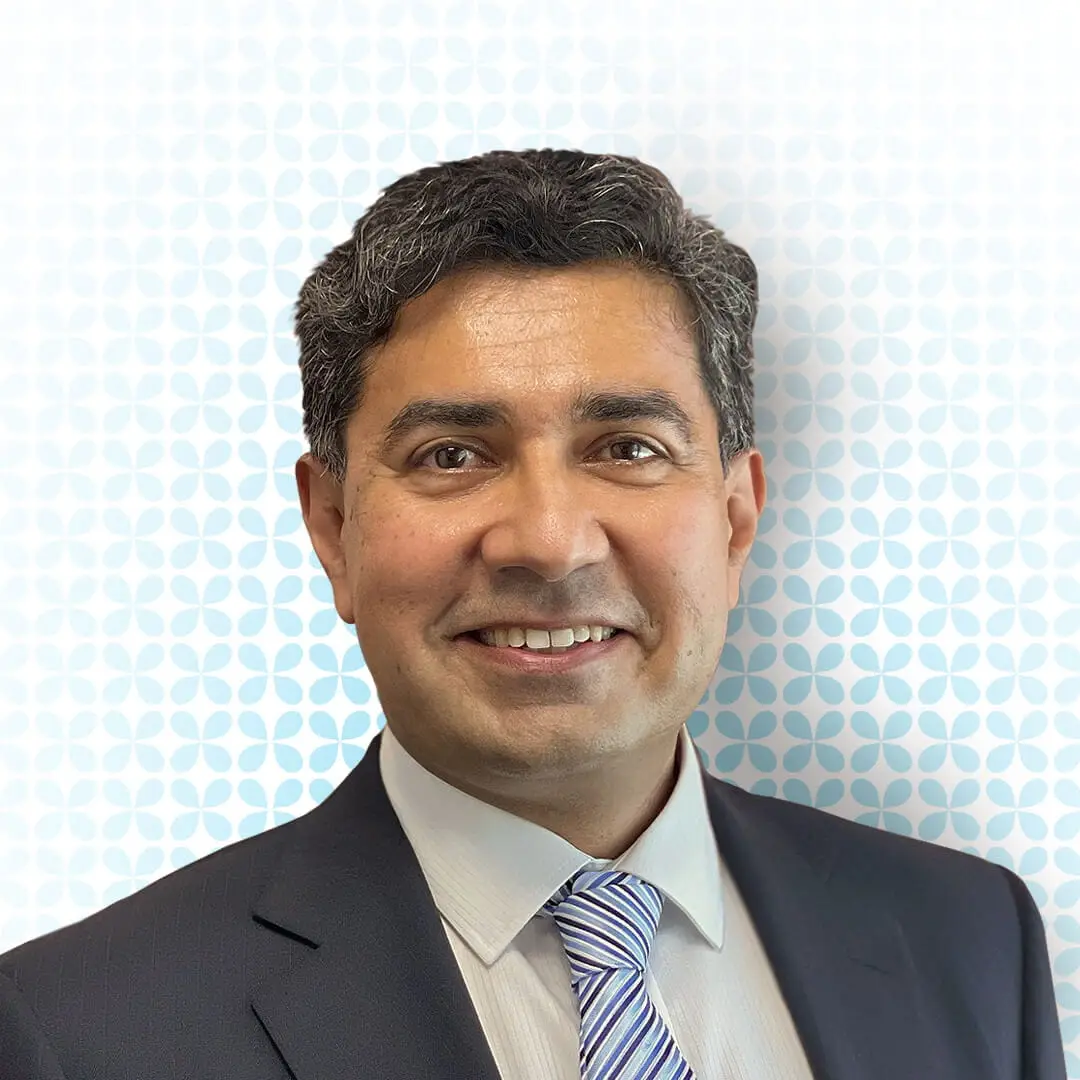
Dr. Syed M. Asad Ali
Consultant Ophthalmologist in Paediatric Ophthalmology, Strabismus (squint) and Cataract SurgerySyed Ali is a Consultant Paediatric Ophthalmologist with extensive experience in the management of all paediatric eye conditions including congenital eye diseases, paediatric cataracts, paediatric glaucoma, trauma and all types of squints in children and adults.
Syed works with advanced technology and techniques. He has over 10 years of extensive experience in screening and treating retinopathy of prematurity with retinal laser and intravitreal anti VEGF injection. He has wealth of experience in phacoemulsification procedures.
Syed Ali trained and has practiced in the UK and Pakistan and has over 18 years of experience in ophthalmology. After completing his basic specialist training, he undertook a fellowship in paediatric ophthalmology and ocular motility at the world renowned Wolverhampton Eye Infirmary, UK. His training in Pakistan and the UK is recognised by the General Medical Council (GMC) and was placed on specialist register.
In addition to his clinical experience, Syed has undertaken published original research and teaching in his specialist area, including as an assistant professor of ophthalmology at the Pakistan Institute of Ophthalmology.
He is a member of several professional bodies including The Royal College of Ophthalmologists, American Academy of Ophthalmology, The British Medical Association, Medical Defense Union and Royal College of Surgeons Edinburgh.
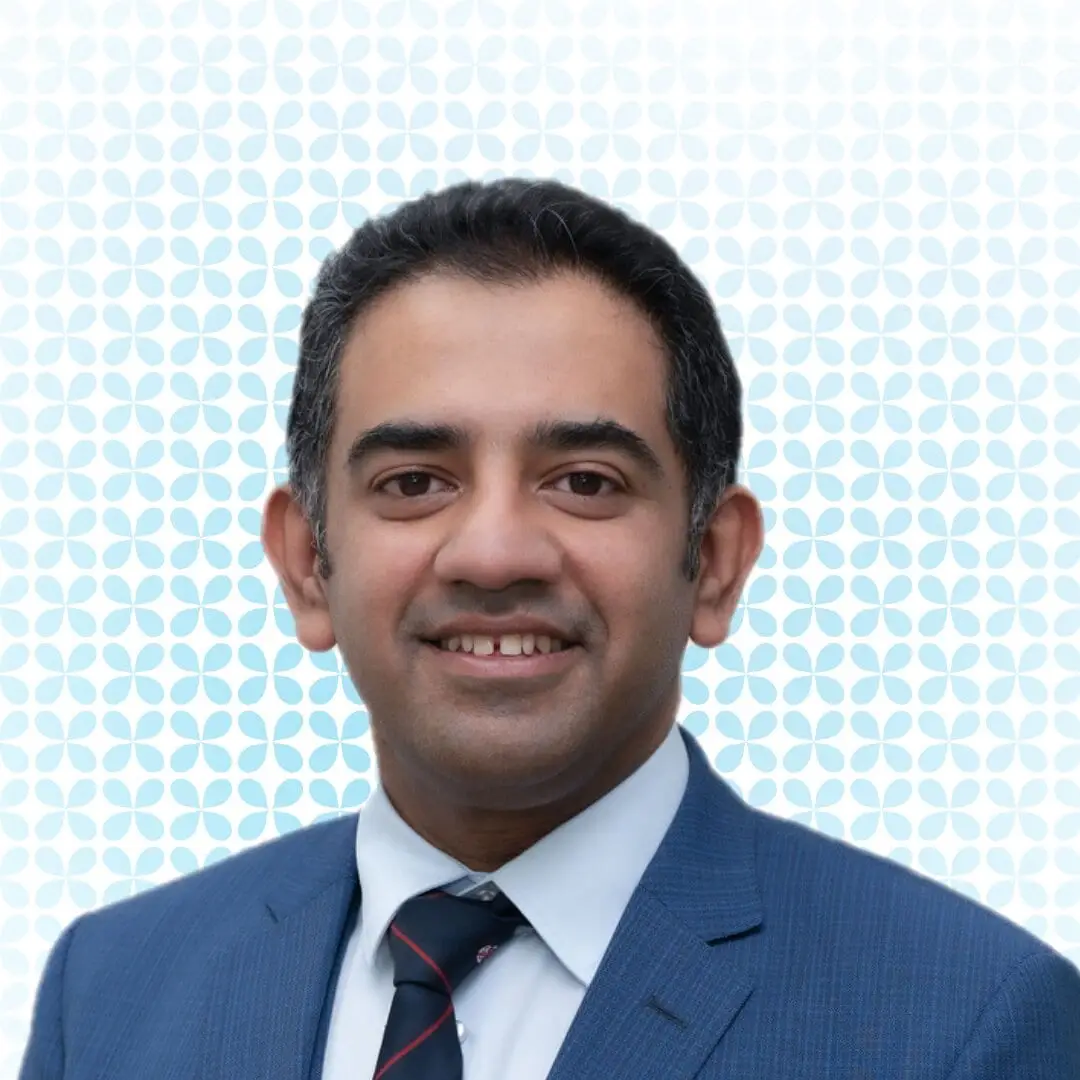
Dr. Muhammad Irfan Khan
Consultant Ophthalmic surgeon in Paediatric Ophthalmology and adult StrabismusChief of Paediatric Ophthalmology
Dr. Muhammad Irfan Khan is a highly experienced consultant Ophthalmic surgeon specialising in Paediatric Ophthalmology at Moorfields Eye Hospitals in Abu Dhabi and Dubai.
He earned three postgraduate degrees from the Royal College of Ophthalmologists London: DRCOphth, MRCOphth, and FRCOphth in 2013, along with a Paediatric Ophthalmology fellowship from the renowned Hospital for Sick Children, SickKids, Toronto, Canada.
With over 20 years of clinical and surgical experience, Dr. Irfan has practised in several countries, including Ireland, the United Kingdom, Canada, and the UAE. His career includes roles at institutions such as the Royal Victoria Eye and Ear Hospital in Dublin, Manchester Royal Eye Hospital, SickKids in Toronto, and Sheikh Khalifa Medical City in Abu Dhabi.
His subspecialty training includes managing complex paediatric eye conditions such as cataracts, glaucoma, and retinopathy of prematurity. He is also experienced in paediatric anterior segment reconstruction and common paediatric oculoplastics.
For adult patients, Dr. Irfan is particularly adept in performing adjustable suture squint surgeries, a technique that allows for precise postoperative alignment adjustments. This approach significantly improves outcomes for adults undergoing strabismus surgery, enhancing both visual function and cosmetic results.
He has undertaken research in the field of Ophthalmology and has published ten research papers and one book chapter in Childhood neurology.
He is a member of the Royal College of Ophthalmologists London and an International member of the American Association of Pediatric Ophthalmology and Strabismus. In 2015, he received the JD Moran Award from the Hospital of Sick Children in Toronto, Canada.
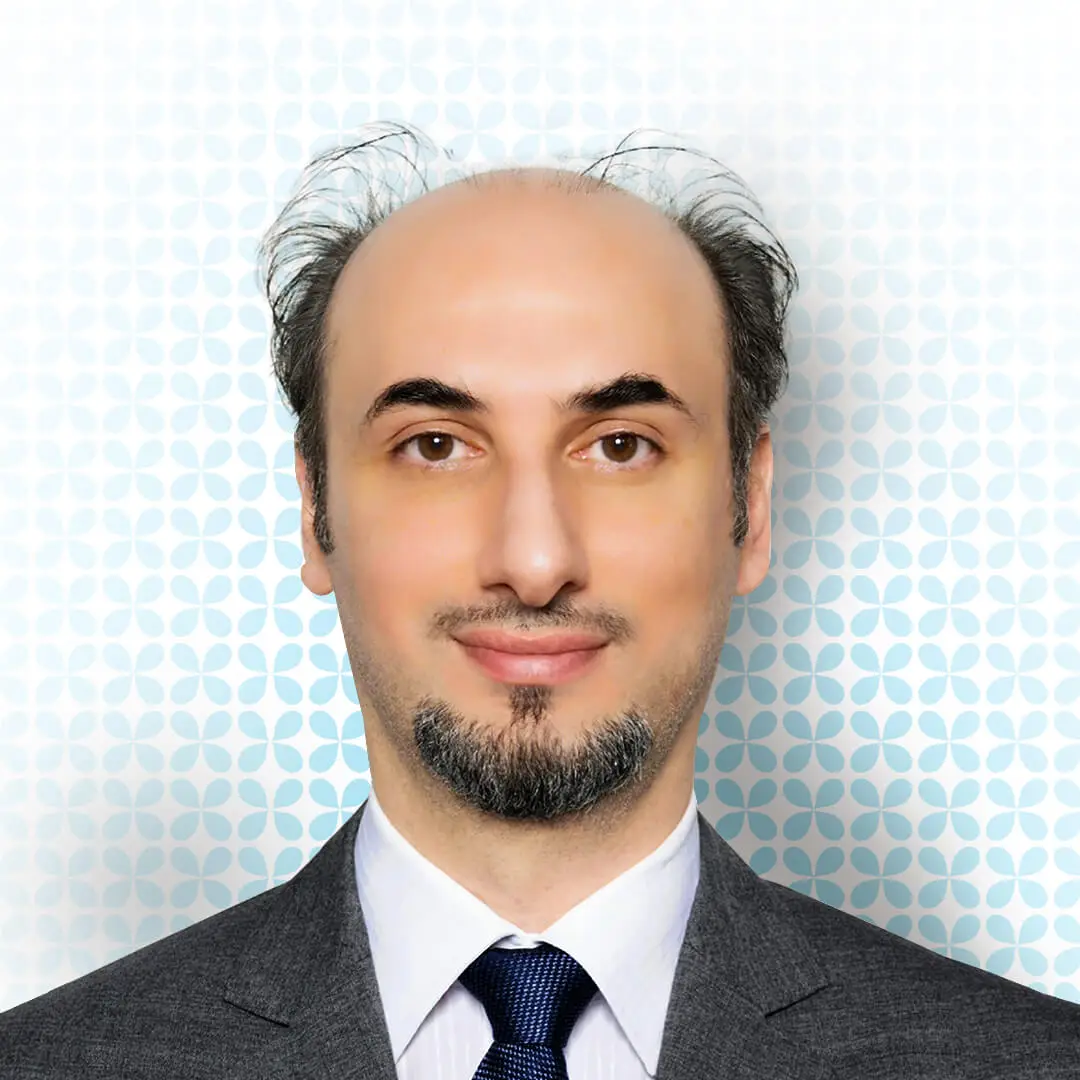
Dr. Ithar Alkheder
Specialist general OphthalmologistBrief intro
Dr. Ithar is a specialist general ophthalmologist at Moorfields Eye Hospital Dubai. He has more than 15 years of regional and international experience in Syria and the United Arab Emirates, with expertise in ophthalmic assessment and managing a broad range of eye conditions in adults and children.
Areas of Expertise
- Anterior segment conditions affecting the eyelids, conjunctiva, cornea and lens
- Dry eye disease
- Posterior segment conditions affecting the retina, vitreous and optic nerve
- Diabetic retinopathy
- Lacrimal passage disorders
- Uveitis screening
- Glaucoma screening
- Vision assessment and treatment for adults and children
- Cataract treatment
- Pterygium treatment
- Chalazion treatment
Qualifications
- Doctor of Medicine and Masters in Ophthalmology, University of Aleppo
- Syrian Board Certification in Ophthalmology
- Diploma in Paediatric Optometry and Ocular, Isabel University, Spain
- Medical Retina Training, Aleppo Eye Surgery Hospital, Syria
Professional Affiliations
- Member of the American Academy of Ophthalmology (AAO)
- Member of the European Society of Retina Specialists (EURETINA)
- Member of the International Society of Refractive Surgery (ISRS)
Research & Academic Work
- Research in the diagnosis and treatment of corneal ulcers at Aleppo Eye Surgery Hospital
- Published research in medical journals
- Presented at international ophthalmology conferences
- Research and presentations have included penetrating glaucoma surgery
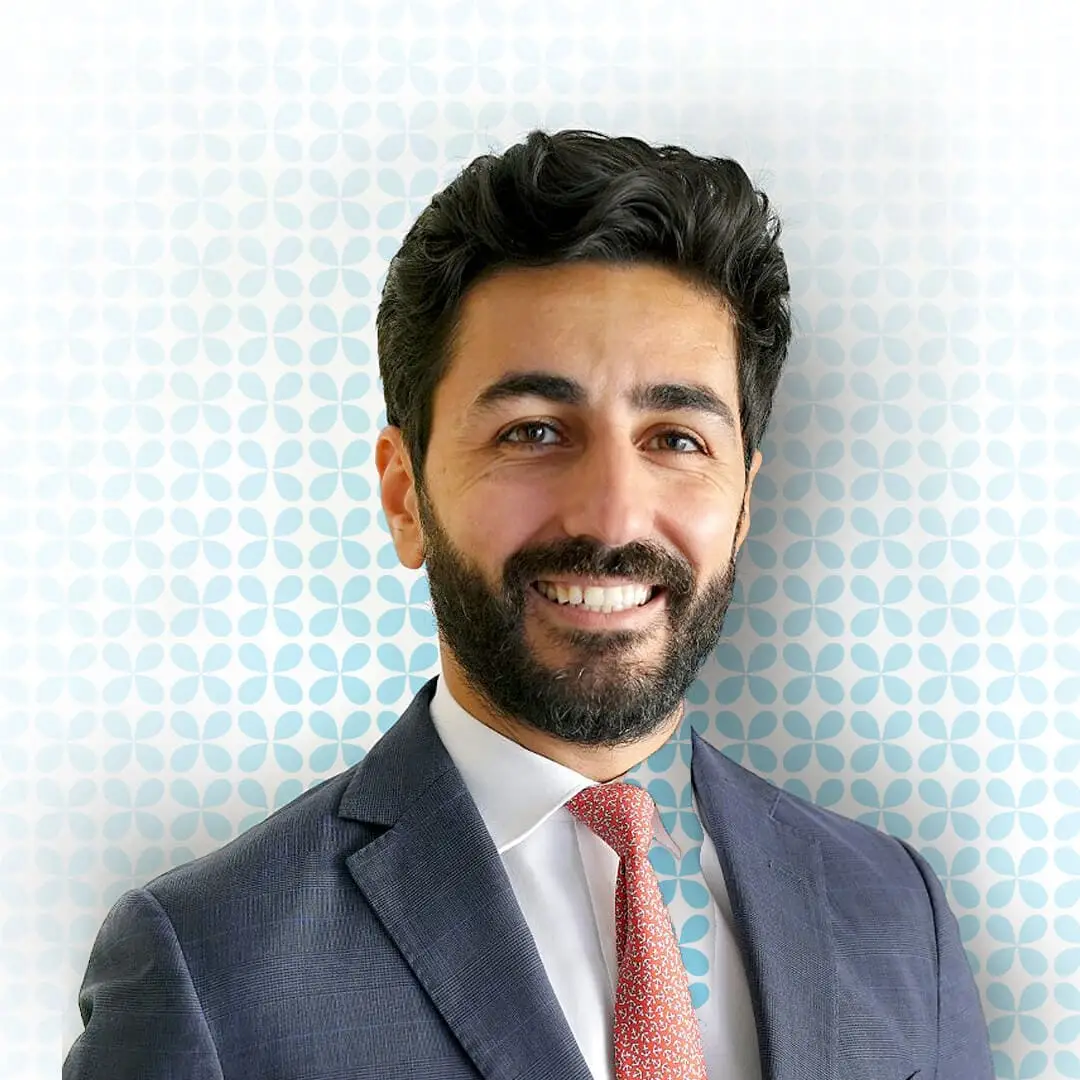
Dr. Alaa Bou Ghannam
Visiting Specialist Ophthalmologist in Neuro-Ophthalmology, Paediatric Ophthalmology, Paediatric Glaucoma & Adult StrabismusBrief intro
Dr. Alaa is a visiting specialist in neuro-ophthalmology, paediatric ophthalmology, paediatric glaucoma, and adult strabismus at Moorfields Eye Hospital Dubai. He has more than 10 years of regional and international experience in countries including Lebanon, the United States and the United Arab Emirates.
Areas of Expertise
- Neuro-ophthalmology
- Paediatric ophthalmology
- Paediatric glaucoma
- Adult strabismus
Qualifications
- Bachelor of Science with High Distinction from the American University of Beirut, Lebanon
- Medical degree from the American University of Beirut, Lebanon
- Ophthalmology residency at the American University of Beirut Medical Centre
- Fellowship in Paediatric Ophthalmology and Adult Strabismus at Children’s National Health System and George Washington Hospital, Washington DC, USA
- Fellowship in Neuro-Ophthalmology at the University of Colorado, USA
Professional Affiliations
- Member of the American Academy of Ophthalmology (AAO)
- Member of the Lebanese Ophthalmological Society (LOS)
- Member of the North American Neuro-Ophthalmology Society (NANOS)
- Member of the American Association for Pediatric Ophthalmology and Strabismus (AAPOS)
Research & Academic Work
- Research in clinical ophthalmology and neurology
- Published more than a dozen research papers and book chapters
- Research topics include strabismus, optic nerve diseases, paediatric glaucoma, paediatric ophthalmology, ocular electrophysiology and nystagmus
- Published in leading medical journals
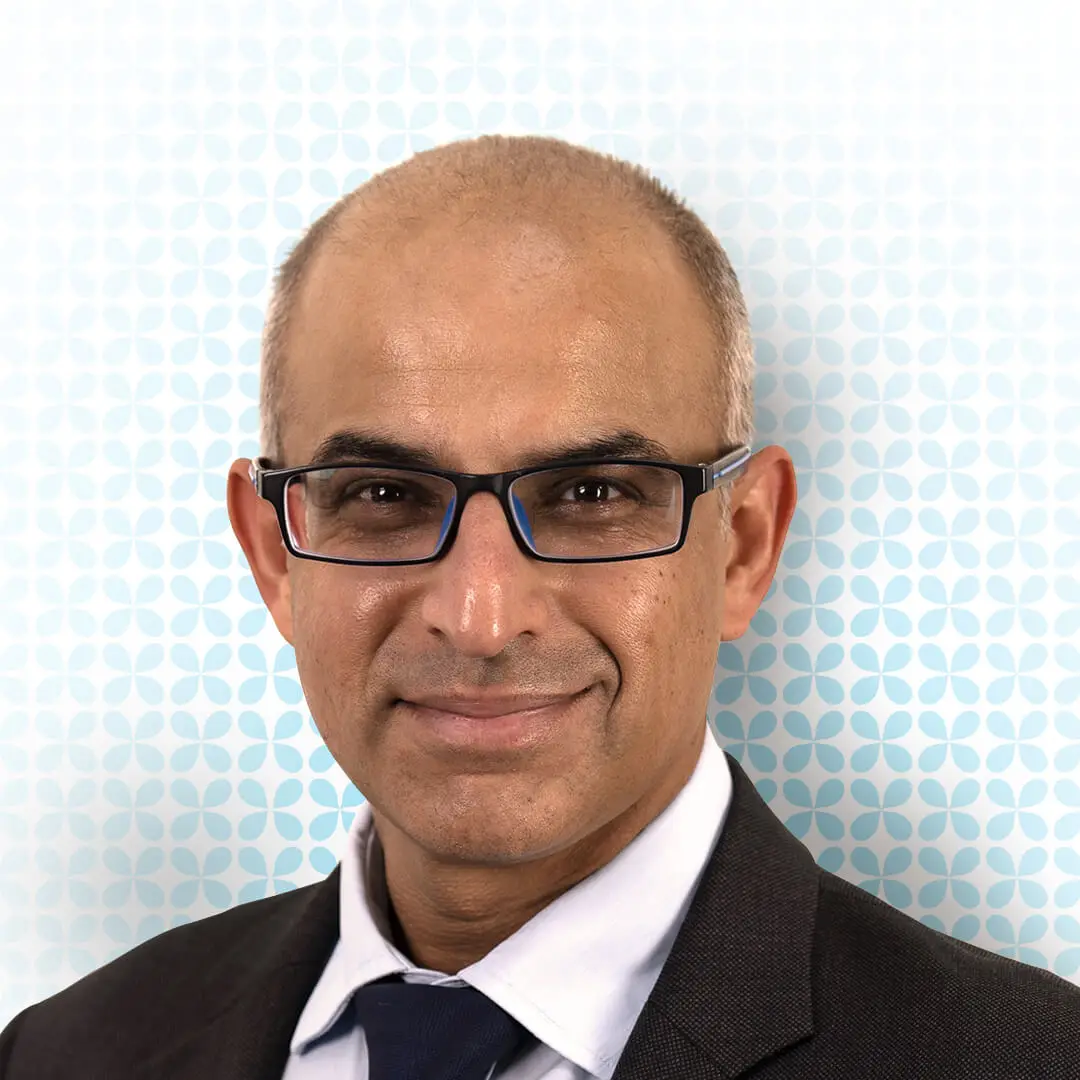
Dr. Avinash Gurbaxani
Visiting Consultant Ophthalmologist in Uveitis and Medical Retinal Diseases and Cataract SurgeryBrief intro
Dr. Avinash is a visiting Consultant Ophthalmologist in Uveitis, Medical Retina & Cataract surgery at Moorfields Eye Hospital Dubai.
He has more than 25 years of regional and international experience including the United Kingdom, Australia and the United Arab Emirates. He is currently the Medical Retina Lead for Moorfields South and Clinical Director for Moorfields at St. George’s Hospital in London.
He has a private practice at Moorfields Eye Hospital in London, Welbeck Clinic and Moorfields Eye Hospital Dubai.
Areas of Expertise
- Uveitis and inflammatory eye diseases
- Complex inflammatory eye diseases requiring immunosuppressive treatment
- Diabetic retinal disease
- Age-related macular degeneration
- Retinal vascular diseases
- Medical retinal diseases
- Cataract surgery including premium intraocular lenses
- Complex cataract surgery associated with inflammatory and retinal eye diseases
Qualifications
- Bachelor of Medicine and Bachelor of Surgery, India
- Diploma in Ophthalmic Medicine and Surgery, India
- Fellowship of the Royal College of Surgeons of Edinburgh in Ophthalmology
- Ophthalmology training in Oxford and London, UK
- Medical Retina and Uveitis Fellowship at Moorfields Eye Hospital, London, UK
- Medical Retina and Uveitis Fellowship at Sydney Eye Hospital, Australia
Professional Affiliations
- Royal College of Ophthalmologists (RCOphth)
- Royal College of Surgeons of Edinburgh (RCS Ed)
- American Academy of Ophthalmology (AAO)
Research & Academic Work
- Experienced in initiating ophthalmology research projects
- Experience in conducting clinical trials
- Regularly publishes research papers.
Regularly presents research at national and international conferences

Dr. Christiane Al Haddad
Visiting Consultant Ophthalmologist in Paediatric Ophthalmology and Adult StrabismusBrief Intro
Dr. Christiane is a visiting Professor of Ophthalmology, specialised in Paediatric Ophthalmology and Adult Strabismus at Moorfields Eye Hospital Dubai.
She is currently the division head of paediatric ophthalmology at the American University of Beirut in Lebanon, with more than 20 years of regional and international experience across Lebanon and the United States, and advanced subspecialty training at Children’s National Medical Centre and Duke Eye Centre.
Areas of Expertise
- Paediatric ophthalmology
- Lazy eye (Amblyopia)
- Squint (strabismus)
- Progressive myopia
- Paediatric cataracts and glaucoma
- Paediatric genetic eye diseases
- Retinoblastoma
- Adult strabismus, thyroid eye disease and cranial nerve palsies
Qualifications
- Doctor of Medicine from the American University of Beirut, Lebanon
- Ophthalmology Residency at the American University of Beirut, Lebanon
- Fellowship in Paediatric Ophthalmology at Children’s National Medical Centre, Washington, DC, USA
- Fellowship in Paediatric Ophthalmology and Adult Strabismus at Duke Eye Centre, Durham, North Carolina, USA
Professional Affiliations
- Member of the American Association for Paediatric Ophthalmology and Strabismus
- Member of the International Strabismological Association
- Member of the Costenbader Society
Research & Academic Work
- Professor of Ophthalmology and Director of the Paediatric Ophthalmology Division at the Ophthalmology Department, American University of Beirut, Lebanon
- Established the retinoblastoma programme with the oncology team at the Children’s Cancer Centre of the American University of Beirut in collaboration with St Jude Children’s Research Hospital, Memphis, USA
- Conducted extensive research in paediatric ophthalmology with more than 80 publications in peer-reviewed journals on topics of amblyopia, strabismus, genetic eye diseases, retinoblastoma, congenital glaucoma, vision screening, eye-tracking technology and machine learning models
- Research published in leading journals including the British Journal of Ophthalmology, American Journal of Ophthalmology, Journal of AAPOS, Journal of Pediatric Ophthalmology and Strabismus and Canadian Journal of Ophthalmology
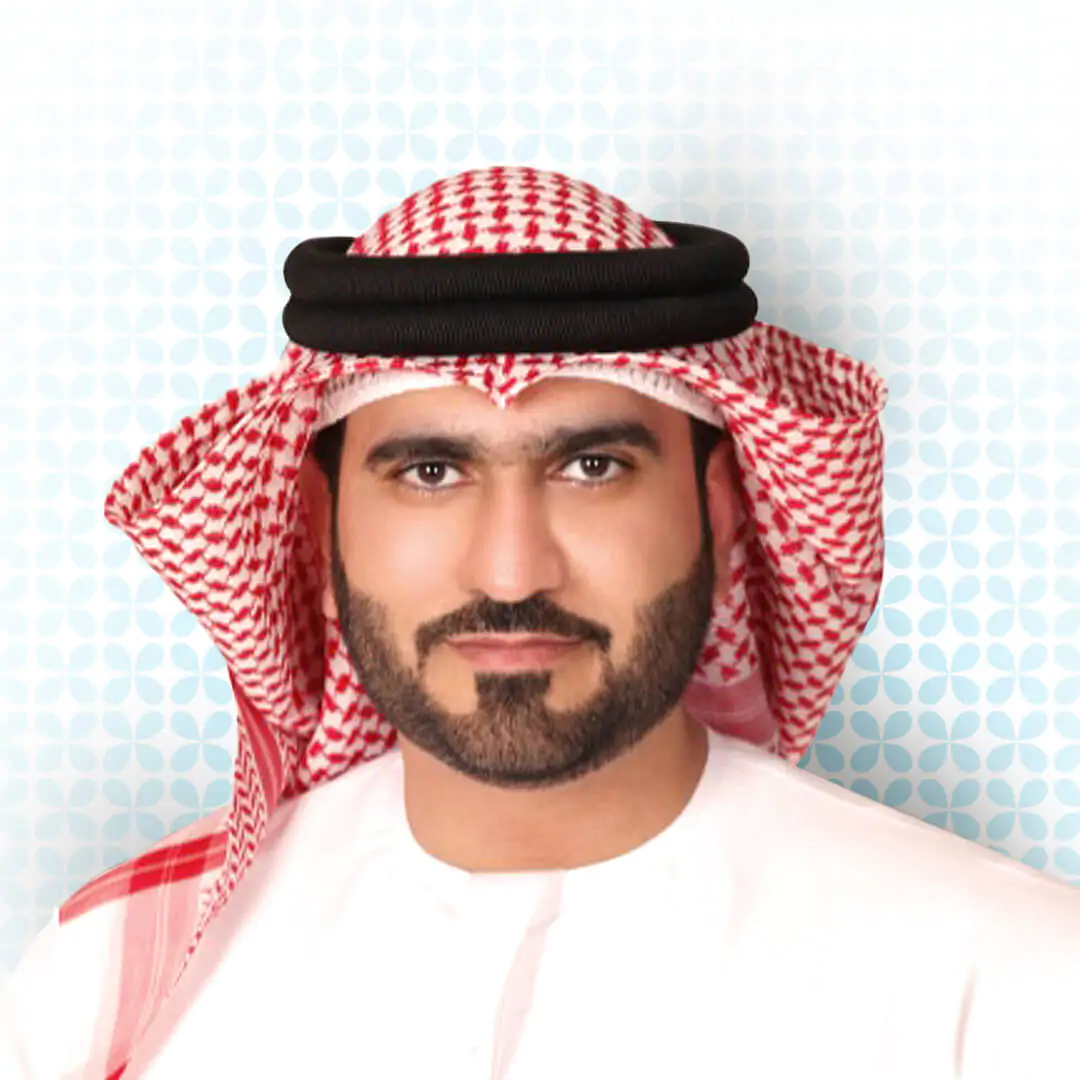
Dr. Khalid Alkhayat
Visiting Consultant Ophthalmologist in Oculoplastic SurgeryBrief Intro
Dr Khalid Alkhayat is a Visiting Consultant Ophthalmologist specialising in oculoplastic surgery at Moorfields Eye Hospital Dubai in Dubai Healthcare City. He has more than 12 years of regional and international experience across the UAE, Ireland and Germany.
Areas of Expertise
- Oculoplastic surgery
Qualifications
- Bachelor of Medicine and Bachelor of Surgery (MBBS)
- German Board-Certified Ophthalmologist (Facharzt)
- Fellow of the European Board of Ophthalmology (FEBO)
Professional Affiliations
- Member of the Emirates Society of Ophthalmology (ESO)

Dr. Muhammad Amjad
Visiting Consultant Ophthalmologist in Adult and Paediatric Retinal diseases and Cataract surgeryBrief Introduction
Dr. Muhammad Amjad is a highly experienced Consultant ophthalmic surgeon, specialising in retinal diseases in adults and children and advanced cataract surgery at Moorfields Eye Hospital Dubai, in Dubai Healthcare City. He has a particular sub-specialist interest in children’s retinal conditions, bringing specialist paediatric retina expertise that is not widely available in the region.
He brings more than 15 years of international clinical experience, having completed his specialist ophthalmology training in the UK, together with fellowship training in Medical and Surgical Retina at Moorfields Eye Hospital, London, and in Paediatric Retina at Great Ormond Street Hospital for Children, London
Areas of Expertise
- Adult and paediatric retinal diseases
- Retinal detachments
- Macular holes
- Age Related Macular degeneration
- Retinal vascular diseases
- Epiretinal Membranes
- Vitreous Haemorrhage
- Uveitis
- Inherited retinal disorders (IRD)
- Retinopathy of Prematurity (ROP)
- Central Serous Chorioretinopathy (CSCR)
- Familial Exudative Vitreoretinopathy (FEVR)
- Adult and paediatric cataract surgery
Qualifications
- Bachelor of Medicine and Bachelor of Surgery (MBBS), University of Health Sciences, Lahore, Pakistan
- Certificate of Completion of Training (CCT), General Medical Council, UK
- Fellowship in Medical Retina, Uveitis & Oncology at Moorfields Eye Hospital London, UK
- Fellowship in Surgical Retina at Moorfields Eye Hospital London, UK
- Fellowship in Paediatric Retina at Great Ormond Street Hospital for Children, London, UK
- Fellow of the Royal College of Ophthalmologists (FRCOphth)
Professional Affiliations
- British and Eire Association of Vitreoretinal Surgeons (BEAVRS)
- European Society of Retina Specialists (EURETINA)
- American Society of Retina Specialists (ASRS)
- American Academy of Ophthalmology (AAO)
- British & Irish Paediatric Ophthalmology & Strabismus Association (BIPOSA)
Research & Academic Work
- Active involvement in retinal research
- Published peer-reviewed research on Retinopathy of Prematurity (ROP) and Familial Exudative Vitreoretinopathy (FEVR)
- Research published in international ophthalmology journals
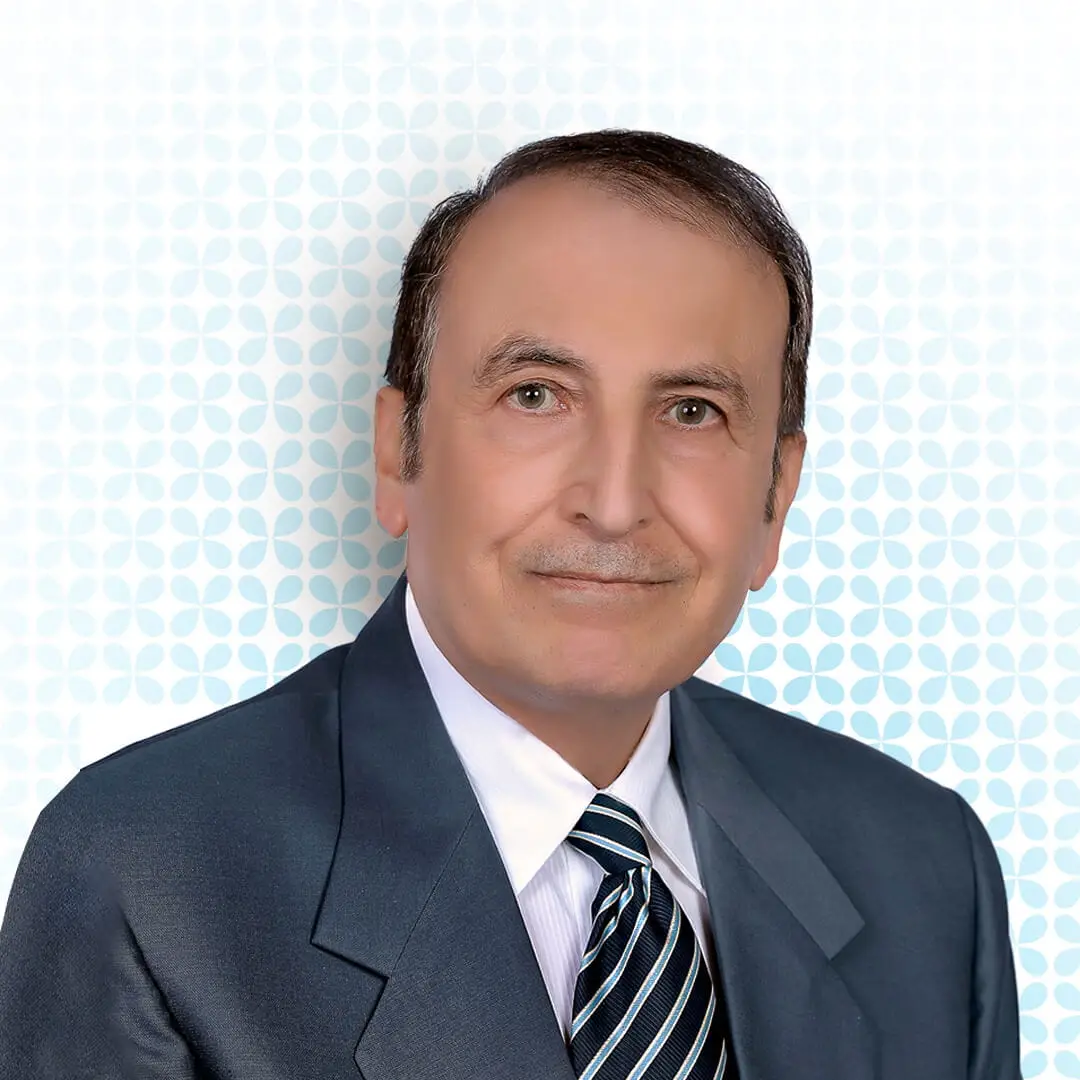
Dr. Nadim Habash
Visiting Consultant Ophthalmologist in Cornea and Ocular Surface DiseasesBrief Introduction
Dr. Nadim Habash is a visiting American Board-Certified Consultant Ophthalmologist specialising in Cornea, Ocular Surface Diseases, and General Ophthalmology at Moorfields Eye Hospital Dubai in Dubai Healthcare City. He has more than 40 years of international experience across the United States, Saudi Arabia and the UAE, including senior clinical, leadership and academic roles.
Areas of Expertise
- Corneal diseases
- Ocular surface diseases
- Anterior segment diseases
- General ophthalmology
Qualifications
- American Board-Certified Ophthalmologist
- Diplomate of the American Board of Ophthalmology
- Residency ophthalmology training at George Washington University, Washington, DC, USA
- Served as Chief Resident at George Washington University
- Fellowship in Cornea and External Disease at the University of Florida, Gainesville, USA
- Fellowship of the Royal College of Surgeons of Canada, FRCS(C)
Professional Affiliations
- Member of the American Academy of Ophthalmology (AAO)
Research & Academic Work
- Published research on corneal transplantation
- Chaired scientific conferences and symposia
- Extensive experience teaching medical students and ophthalmology residents
- Held academic positions during his career, including the University of Ohio at Toledo, USA and King Saud University at Riyadh, Saudi Arabia

Dr. Qasiem Nasser
Visiting Consultant Ophthalmologist in Oculoplastic SurgeryDr. Qasiem Nasser has dual Fellowship training in Oculoplastic Surgery and Cornea, Cataract and Anterior Segment Surgery. His area of expertise is in Ophthalmic Plastic and Reconstructive Surgery, including surgery on the eyelids, the orbit, and the tear drainage system for adults and children. In addition, he is also a specialist in Laser Assisted Cataract and Refractive Surgery, including LASIK, LASEK, Refractive Lens Exchange (RLE), Implantable Contact Lens (ICL) and Corneal Cross-Linking (CXL) for Keratoconus.
Dr. Nasser grew up in Amman, Jordan. He attended medical school at The Royal College of Surgeons in Ireland, after which he completed his Residency in Ophthalmology at The Royal Victoria Eye and Ear Hospital in Dublin. He then moved to the United States, where he completed a 2-year Ophthalmic Plastic and Orbital Reconstructive Surgery Fellowship at The University of Texas MD Anderson Cancer Center in Houston and Texas Oculoplastic Consultants in Austin. Dr. Nasser then persuaded another Fellowship in Cornea, Cataract and Anterior Segment Surgery at Moorfields Eye Hospital in London.
He is a member of the Royal College of Ophthalmologists in London and a Fellow of the Royal College of Surgeons in Edinburgh.
Dr. Nasser has been an active researcher and has published many manuscripts in peer-reviewed journals. In addition, he has given lectures at national and international meetings, including The American Society of Ophthalmic Plastic and Reconstructive Surgery, the American Academy of Ophthalmology and the World Ophthalmology Congress.

Dr. Rafic Antonios
Visiting Specialist Oculoplastic SurgeonBrief Introduction
Dr Rafic Antonios is a Visiting Specialist Oculoplastic Surgeon at Moorfields Eye Hospital Dubai in Dubai Healthcare City. He has extensive regional and international experience across Lebanon, Canada and the UAE. His practice focuses on reconstructive and cosmetic procedures involving the structures around the eye.
Areas of Expertise
- Ophthalmic plastic and reconstructive surgery
- Cosmetic periocular procedures
- Eyelid surgery, including blepharoplasty
- Orbital conditions and surgery
- Lacrimal and tear drainage system conditions and surgery
Qualifications
- Bachelor of Science with Distinction from the American University of Beirut, Lebanon
- Medical degree from the American University of Beirut, Lebanon
- Ophthalmology residency at the American University of Beirut Medical Center
- Fellowship in Oculoplastic and Reconstructive Surgery at the University of Montreal, Canada
- Fellowship in Craniomaxillofacial Trauma at the University of Montreal, Canada
Professional Affiliations
- Member of the Alpha Omega Alpha (AOA) Honor Medical Society
- Member of the Lebanese Ophthalmological Society (LOS)
Research & Academic Work
- Author of 28 publications in peer-reviewed journals
- Presented posters and research at national and international conferences

Dr. Rola Ba-Abbad
Visiting Consultant Ophthalmologist in Genetic Eye Diseases and Medical RetinaBrief Introduction
Dr. Rola Ba-Abbad is a Consultant Ophthalmologist in genetic eye disease, including inherited retinal disorders for adults and children, and medical retina at Moorfields Eye Hospital Dubai in Dubai Healthcare City. She has more than 10 years of regional and international experience across Saudi Arabia, the United Kingdom and Canada.
Areas of Expertise
- Genetic eye diseases
- Inherited retinal disorders in adults and children
- Medical retina
- Electrophysiology of vision
Qualifications
- Bachelor of Medicine and Bachelor of Surgery (MBBS) from King Saud University, Saudi Arabia
- Specialist ophthalmology training at King Khaled Eye Specialist Hospital and affiliated hospitals in Riyadh
- Fellow of the Royal College of Physicians and Surgeons of Glasgow (FRCS)
- PhD from University College London, UK
Professional Affiliations
- Member of the Association for Research in Vision and Ophthalmology (ARVO)
Research & Academic Work
- Research in inherited retinal disorders, visual neuroscience, clinical psychophysics and electrophysiology of vision
- Published research on retinal and corneal disorders in leading peer-reviewed journals, including Ophthalmology and Investigative Ophthalmology & Visual Science
- Recipient of the Foundation Fighting Blindness Diana Davis Spencer Clinical Research Fellowship Award

Dr. Wajiha Kheir
Visiting Consultant Ophthalmologist in Medical Retina and Ocular OncologyDr. Wajiha Kheir is a visiting Assistant Professor of Ophthalmology and Consultant Ophthalmologist, specialised in Medical Retina and Ocular Oncology at Moorfields Eye Hospital Dubai in Dubai Healthcare City.
Dr. Wajiha completed her undergraduate studies and medical education at the American University of Beirut, Lebanon. She was awarded the BSc degree in Biology (2009) with high distinction and the Penrose Award, and the MD degree (2013) with induction to the Alpha Omega Alpha (AOA) – Honor Medical Society. She then completed a year of Internal medicine Internship followed by three years of Ophthalmology residency at the American University of Beirut Medical Center (2017). Her subsequent sub-specialty training includes one year of Medical Retina fellowship and one year of Ocular Oncology with Clinical Pathology Concentration fellowship, both at the Duke Eye Center, Duke University School of Medicine.
She has more than five years of regional and international experience in Medical Retinal and Ocular Oncology in the United States and Lebanon. In her career, she has practiced in leading medical institutions such as Duke University Health System and the American University of Beirut Medical Center.
Dr. Wajiha has eighteen peer-reviewed journal articles and 10 book chapters published. To date, her research work has been presented in over twenty posters and/or paper presentations at regional and international conferences. Her research interests relate to age-related macular degeneration, ophthalmic oncology, radiation retinopathy as well as retinal degenerations and electrophysiology of vision.
She is a member of the AOA Medical Honor Society, the American Academy of Ophthalmology, the American Society of Retinal Specialists and the International Society of Ocular Oncology.
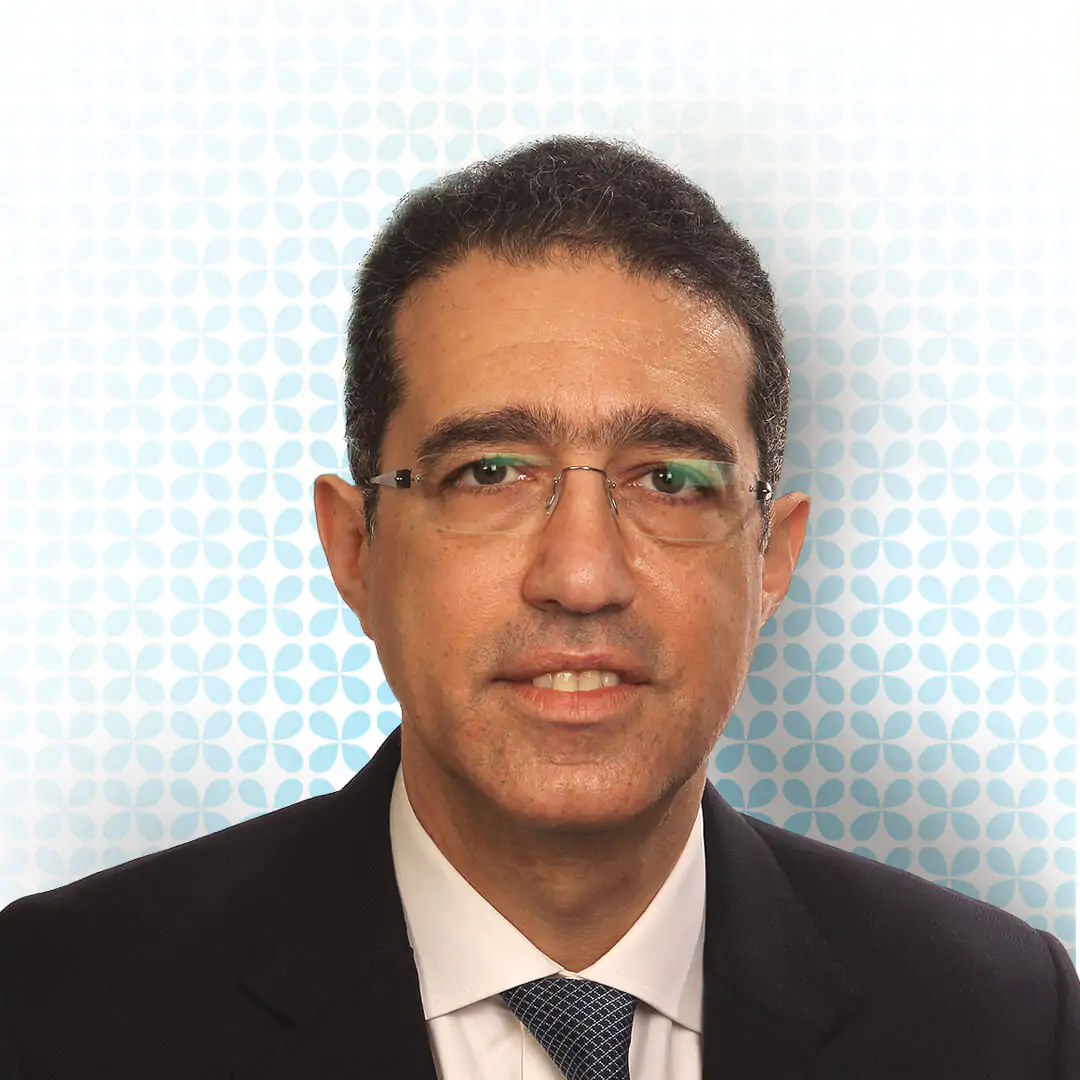
Dr. Ziad Bashshur
Visiting Consultant Ophthalmologist in Medical & Surgical RetinaBrief Introduction
Dr. Ziad Bashshur is a visiting Ophthalmologist specialising in Medical and Surgical Retina at Moorfields Eye Hospital Dubai in Dubai Healthcare City. He has more than 25 years of regional and international experience in vitreoretinal diseases and surgery across Lebanon and the United States.
Areas of Expertise
- Medical retina
- Surgical retina
- Vitreoretinal diseases and surgery
Qualifications
- Doctor of Medicine (MD) from the American University of Beirut, Lebanon
- Internal Medicine internship at Georgetown/VA Medical Center, USA
- Ophthalmology residency at the American University of Beirut, Lebanon
- Vitreoretinal Fellowship at the University of Virginia, USA
Professional Affiliations
- Member of the American Society of Retina Specialists (ASRS)
- Member of the Retina Society
- Member of the Alpha Omega Alpha Honor Medical Society
Research & Academic Work
- Tenured Professor and Vice-Chairman of Ophthalmology at the American University of Beirut
- Published more than 60 research papers on retinal diseases
- Research areas include macular degeneration, diabetic retinopathy, retinal vascular diseases and retinal imaging
- Regular speaker at professional ophthalmology meetings worldwide
- Serves on the review boards of several peer-reviewed ophthalmology journals
- Serves on several medical industry advisory boards

Dr. Ziad Khoueir
Visiting Consultant Ophthalmologist in Adult Glaucoma and Cataract surgeryBrief Introduction
Dr. Ziad Khoueir is a visiting Consultant ophthalmologist specialising in adult glaucoma and cataract surgery at Moorfields Eye Hospital Dubai in Dubai Healthcare City. He has more than 10 years of regional and international experience, with advanced clinical and research training across Lebanon, France and the United States.
Areas of Expertise
- Adult glaucoma
- Cataract surgery
Qualifications
- Medical degree from Saint-Joseph University, Beirut, Lebanon
- Ophthalmology residency at Hôtel-Dieu de France Hospital, Lebanon
- Postdoctoral Clinical and Research Fellowship at the Glaucoma Institute, UPMC-Sorbonne University, Paris, France
- Postdoctoral Clinical and Research Fellowship at Massachusetts Eye and Ear Infirmary, Harvard Medical School, Boston, USA
- Glaucoma Subspecialty Diploma from the European Board of Ophthalmology
Professional Affiliations
- Co-Chair of the Associate Advisory Board of the World Glaucoma Association
- Member of the Associate Advisory Board of the International Society of Glaucoma Surgery
Research & Academic Work
- Associate Director of the Glaucoma Division at Beirut Eye & ENT Specialist Hospital, Lebanon
- Clinical Instructor and Lecturer at Saint-Joseph University Medical School, Beirut, Lebanon
- Research Collaborator at the Mayo Clinic Department of Ophthalmology, Jacksonville, Florida, USA
- Research focused on innovative approaches to glaucoma diagnosis and management, including minimally invasive glaucoma surgery (MIGS), glaucoma laser treatments and Optical Coherence Tomography (OCT) imaging
- Published more than 35 research papers and book chapters on glaucoma
- Invited to lecture and present his work at regional and international meetings in more than 20 countries

Dr. Aseel Ghanem
Consultant Ophthalmologist in Medical RetinaDr. Aseel Ghanem is a Consultant Ophthalmologist at Moorfields Eye Hospital Abu Dhabi and Imperial College London Diabetes Centre (ICLDC) with more than 8 years of experience. She is experienced in refractive surgeries, medical retina, lacrimal surgeries, pterygium excision with graft, squint surgery, eyelid laceration repair & more.
She completed her medical degree from Mutah University, Jordan in 2012 and completed her residency from Ibn Al Haytham Hospital, Jordan. She is a fellow of International Council of Ophthalmology.

Dr. Usman Mahmood
Consultant, Ophthalmologist Specialised in Retina and Cataract SurgeryDr. Usman Mahmood is a Consultant Ophthalmologist with extensive experience in vitreoretinal surgery, sutureless advanced cataract surgery, advanced Diabetic retinopathy, retinal detachment repairs, macular holes, epiretinal membranes and ocular trauma involving posterior segment.
Dr. Usman is a fellow in FRCS (Ophthalmology) Royal college of Surgeons Edinburgh UK, FRCS (Ophthalmology) Royal College of Surgeons and Physicians of Glasgow UK, MRCOphth Royal College of Ophthalmologists London UK. He obtained Certificate of Specialist training in Ophthalmic Surgery from Royal College of surgeons in Ireland. He is a fellow in Vitreoretinal Surgery from Manchester Royal Eye Hospital, Manchester, UK.
Dr. Usman is also a member European Society of Vitreoretinal Surgeons and a Life member of Ophthalmic Society of Pakistan.

Dr. Omar Rafiq
Consultant, Ophthalmologist Specialised in small incision cataract surgery and advanced glaucoma surgeryDr. Omar Rafiq is a Consultant Ophthalmologist specialised in small incision cataract surgery (phacoemulsification) and advanced glaucoma surgery including MIGS ( Minimally Invasive Glaucoma Surgery ). He has performed over 10,000 surgical procedures.
Dr. Omar is a graduate of the University of Leeds Medical School – obtaining his MBChB, from the United Kingdom. He is a Fellow of the Royal College of Ophthalmologists – UK (FRCOphth) and holds a Certificate of Completion of Training (CCT) and is on the General Medical Council Specialist Register for Ophthalmology. Following the CCT, he completed an advanced fellowship in glaucoma and complex cataract at the Western Eye Hospital in London. He also completed his Postgraduate Diploma in Cataract and Refractive Surgery from the University of Ulster with a Distinction grade. He has more than 15 years of experience in the United Kingdom and the United Arab Emirates. Among many other experiences, he was the youngest Director of the NSPCC at a regional level from 1998 to 2000 and a Special Constable Police Officer with South Yorkshire Police from 2000 to 2005.
He has done a great deal of research, clinical trials, published and lectured on his areas of expertise.

Dr. Raef Emile
Consultant Ophthalmologist in Cataracts and Vitreoretinal SurgeryDr. Raef Emile Hanna Guirguis is our Consultant Ophthalmologist at Moorfields Eye Hospital Abu Dhabi based at Imperial College Diabetes & Endocrine Centre, Zayed Sports City, Abu Dhabi. Dr. Raef completed his primary healthcare services in 2000, Dr. Raef received extensive training as an intern ophthalmologist in Gamal Abdel-Nasser Hospital, which is one of the most heavily laden tertiary referral centres in Alexandria, Egypt. Following this he completed his fellowship at the Alexandria Faculty of Medicine where he undertook his MD studies involving advanced surgical and medical retina subspecialities. He has a wealth of exceptional surgical skills and experience in providing healthcare for ophthalmic patients, with special skills in the field of vitreo-retinal surgery. Dr. Raef has a proven track record of experience in the fields of surgical management of diabetic retinopathy, cataract and retinal detachment for more than 30 years.
Our Patients’ Experiences
Eye Health Articles from Our Specialists

This blog on upper blepharoplasty has been contributed by Dr. Alia Issa, Aesthetic Oculoplastic Surgeon at Moorfields Eye Hospital Dubai
Upper blepharoplasty is a common eyelid rejuvenation procedure for individuals who have droopy eyelids or tired-looking eyes. While it is often seen as removal of excess skin, the factors involved in the procedure are far more complex. There are several deeper anatomical structures that influence how the eyelids look and function, and understanding these is essential for achieving natural, healthy, and desired results.
Whether you are exploring blepharoplasty or seeking clarity after receiving varied advice, this blog provides an understanding of the procedure and factors involved.
What are the reasons behind droopy or saggy eyelids?
The upper eyelids are one of the first areas of the face to show signs of ageing. Fine skin, expressive muscles, shifting fat, and the influence of the brows all contribute to the overall appearance. These changes often happen gradually and differently on each side, which can make the eyes look asymmetrical or tired.
Upper blepharoplasty aims to restore a more refreshed appearance, but only when all contributing factors are assessed, not only the excess skin. Our oculoplastic surgeons evaluate the deeper structures around the eyes to support both appearance and long-term eyelid health.
Below are the factors examined during consultation to support an effective and natural blepharoplasty outcome.
1. The brow position is often a hidden cause of droopy eyelids
The brow significantly influences the appearance of the eyelid, often more than most people expect. As we age, the outer part of the brow gradually drifts downward. When this happens, it pushes skin and soft tissue onto the upper eyelid, creating the impression of excess skin or heaviness, even when actual excess skin is minimal.
If a surgeon removes eyelid skin without evaluating the brow position, the result may appear tight, unbalanced, or may not lift the heaviness as expected. In some cases, removing skin alone can even make the brow descent more noticeable.
This is why each consultation should include assessing the brow height, shape, and symmetry before planning any blepharoplasty. This helps determine whether the brow is contributing to the overall heaviness and ensures the eyelid is not over-corrected.
2. Determining the right amount of skin to remove
Even when excess skin is present, the goal is a careful and conservative approach. The eyelids protect the eye’s surface, maintain healthy blinking, and support a smooth tear film. Removing too much skin may make eyelid closure difficult and lead to dryness or discomfort, while removing too little may not achieve the desired result.
Our oculoplastic surgeons examine:
- The natural crease height,
- Elasticity of the skin,
- The relationship between the lid and brow,
- Symmetry between both eyes,
- Blink mechanics.
This ensures that any skin removal enhances the appearance without compromising function, especially important in a climate like Dubai, where air-conditioning can intensify dry eye symptoms.
3. Fat distribution
Ageing affects the fat around the eyes in different ways. In some areas, fat may protrude forward, creating puffiness. In others, fat may diminish, causing a hollow, tired look. These changes vary between individuals and often between the two eyes.
If fat prolapse or hollowing is not addressed during surgery, the result may appear uneven or prematurely aged. Therefore, the oculoplastic surgeon will evaluate the fat prolapse carefully, deciding whether to:
- Reduce prolapsed fat,
- preserve fat to maintain youthful volume,
- or subtly reposition fat to balance the contours.
This personalised approach prevents hollowing or over-correction, helping maintain a natural and well-rested appearance.
4. Eyelid height, muscle function and ptosis
In some individuals, the muscle that lifts the eyelid (the levator muscle) can weaken over time. When this happens, the upper eyelid sits lower than it should leading to a condition known as ptosis. Ptosis often goes unnoticed by patients until it is pointed out, yet it significantly influences how alert or tired the eyes appear.
If ptosis is not identified before surgery, simply removing skin will not correct eyelid height. In fact, the tired appearance may persist even after blepharoplasty.
The eyelid height, strength of the lifting muscle, and symmetry must always be evaluated and If ptosis is contributing to the appearance, it may be corrected at the same time as the blepharoplasty for a more natural and youthful result.
5. Tear gland stability
The lacrimal (tear) gland sits in the outer part of the upper eyelid. With age or natural loosening of the supporting tissues, it may shift forward, creating a small bulge. This fullness is often mistaken for fat prolapse or excess skin, but removing skin alone will not improve it.
If the tear gland is not properly addressed, the bulge will remain after surgery. During the pre-operative examination, the surgeon checks whether the gland has prolapsed and, if needed, gently repositions it to support a smooth and natural contour.
Who is upper blepharoplasty suitable for?
You may be a good candidate if you experience:
- droopy or heavy upper eyelids
- puffiness or fullness
- tired-looking eyes
- asymmetry between the eyes
- the desire for a refreshed appearance while maintaining natural expression
A consultation is essential to determine whether excess skin, brow position, ptosis, or fat redistribution is the primary cause.
What can you expect during your blepharoplasty journey consultation?
Your surgeon will examine all five anatomical factors, discuss your goals, take clinical photographs, assess tear function, and create a tailored plan.
- Procedure: Upper blepharoplasty is typically a day procedure under local anaesthesia, with or without sedation. The incision sits in the natural lid crease, allowing the scar to blend seamlessly.
- Recovery: Swelling and bruising are normal in the first 7–10 days. Most daily activities can resume early, while full refinement continues over several weeks.
- Long-term results: When deeper anatomical contributors are addressed, the outcome appears refreshed, symmetric, and naturally expressive, avoiding the hollow or “over-pulled” look sometimes associated with poorly planned surgery.
Recovery and Risks considerations
Every patient heals differently. It is normal for:
- each eye to heal at a slightly different pace
- swelling to take a few weeks to settle
- the eyelids to feel tight initially
- the final refined result can take up-to take 6 months
Results typically last many years, although natural ageing continues
Upper blepharoplasty is generally a low-risk procedure when performed by a trained oculoplastic surgeon. However, like any surgery, it carries potential risks.
These may include:
- temporary bruising or swelling
- temporary dryness or irritation
- asymmetry during the healing phase
- scarring in the eyelid crease
- rare bleeding or infection
- very rare difficulty closing the eyelids if too much skin is removed
- Temporary numbness around the scar and lash line
Your surgeon will explain these risks and guide you through how they are minimised.
Why should blepharoplasty be performed by an oculoplastic surgeon?
Upper blepharoplasty is a cosmetic and functional procedure that affects both appearance and eye health. The eyelids protect the eyes, maintain moisture, support vision, and express emotion. Poor technique or incomplete assessment can lead to dryness, asymmetry, hollowing, or difficulty closing the eyes.
For this reason, the safest and most effective approach is to have the procedure performed by oculoplastic surgeons, who are ophthalmologists with additional specialised training in eyelid and cosmetic surgery.
This matters because:
- Oculoplastic surgeons understand both the cosmetic and functional aspects of eyelids.
- They are trained to protect the eye, the tear film, and surrounding structures.
- They can identify issues such as ptosis, dry eye risk, or tear gland prolapse which are conditions that non-ophthalmic surgeons may overlook.
- They prioritise visual comfort and eyelid function in addition to aesthetics, which reduces the risk of eye anatomy complications.
With the right assessment and expertise, the result can restore a natural, refreshed, and balanced appearance.
FREQUENTLY ASKED QUESTIONS (FAQs)
Will upper blepharoplasty change the shape of my eyes?
Upper blepharoplasty is designed to rejuvenate the upper eyelids rather than change your natural eye shape. When performed by an experienced oculoplastic surgeon, the procedure follows your existing anatomical contours and focuses on reducing heaviness, improving definition, and restoring balance. The aim is to preserve your natural expression while creating a refreshed, well-rested appearance.
Is the scar from an upper blepharoplasty visible?
The incision is carefully placed within the natural upper eyelid crease, allowing it to blend with the surrounding skin as it heals. In the first few weeks, it may appear slightly pink or raised, but this gradually settles. With time and proper healing, the line becomes faint and often barely noticeable, even when the eyes are closed. Makeup can help conceal the area during the initial healing period.
How long do the results last?
While the ageing process continues naturally, most individuals enjoy the benefits of upper blepharoplasty for many years. Because the procedure addresses deeper anatomical factors such as brow position, fat changes and muscle function rather than just surface-level skin, the results tend to age more gracefully. Lifestyle factors, genetics, and skin quality all play a role in longevity, but improvements are generally long-lasting.
Can blepharoplasty help with vision problems caused by droopy eyelids?
If excess upper eyelid skin hangs over the lash line or reduces the upper field of vision, upper blepharoplasty can alleviate this obstruction and improve vision. During your consultation, the surgeon will assess your eyelid anatomy and visual fields to determine whether functional improvement applies in your case.
Am I too young or too old for this procedure?
There is no strict age limit for upper blepharoplasty. Some individuals develop early genetically inherited hooding, while others experience age-related changes much later. Suitability is determined by eyelid anatomy, skin quality, brow position, and general health, not age alone. A detailed assessment will help determine whether the procedure is appropriate for you.
Will I look “different” after surgery?
The intention of upper blepharoplasty is to create a subtle, refreshed appearance rather than a dramatic change. You should still look like yourself, simply more open and rested around the eyes. A well-planned procedure respects your natural proportions and avoids the “surprised” or “pulled” appearance associated with overcorrection.
What happens if I have asymmetry?
Most people have natural differences between their eyes and brows. While blepharoplasty cannot create perfect symmetry, which rarely exists in nature, an experienced oculoplastic surgeon can significantly improve balance by tailoring the approach for each eye.

Every November, Diabetes Awareness Month reminds us that awareness and early prevention can make a lasting difference in living well with diabetes. This year’s World Diabetes Day theme, “Know More, Do More for Diabetes at Work,” highlights how diabetes management extends beyond medical care, shaping our everyday habits, especially in the workplace.
For many people working in Dubai and across the UAE, where long hours and digital screen use are common, understanding how diabetes affects eye health is essential to maintaining well-being and productivity.
This blog explores the connection between diabetes and vision, early signs to watch for, and simple lifestyle choices that can help protect your eyesight, at work and beyond.
Facts about diabetes
According to the International Diabetes Federation (IDF), an estimated 589 million adults worldwide are currently living with diabetes, and the number is projected to reach 853 million by 2050. This global rise reflects changing lifestyles, dietary habits, and reduced physical activity, all contributing to the growing public health challenge of diabetes.
In the United Arab Emirates, around 20.7% of adults aged 20 and above, equivalent to roughly 1.3 million people, are living with diabetes, and this is projected to increase, reaching approximately 23% of the population by 2050 (International Diabetes Federation)
These figures highlight the urgency of early detection and ongoing management to reduce health complications and protect long-term vision and overall well-being.
Diabetes and the working population
According to the International Diabetes Federation, 7 in 10 people living with diabetes are of working age (20–64 years). Maintaining healthy vision can be challenging for busy professionals in the UAE, where modern work often involves long hours at the workplace, extended screen time, and imbalanced diet.
Fluctuating glucose levels can temporarily blur vision, making it difficult to focus, read, or drive. Over time, inconsistent control can damage the retina, impacting vision and workplace performance.
Recognising early signs and adopting preventive habits can help you maintain sharper, more comfortable vision and ensuring that diabetes does not stand in the way of a productive working life.
The link between diabetes and vision
While diabetes is well known for affecting overall health, many people are unaware of its impact on the eyes. Over time, persistently high blood sugar levels can damage the blood vessels in the retina, the light-sensitive tissue at the back of the eye, leading to diabetic retinopathy, one of the leading causes of preventable sight loss worldwide.
The scale of this impact is significant, with the International Agency for the Prevention of Blindness (IAPB) reporting that around one in three people living with diabetes will experience vision complications during their lifetime, and one in ten will develop vision-threatening conditions such as proliferative retinopathy or diabetic macular oedema.
Beyond diabetic retinopathy, diabetes can also increase the risk of other eye conditions, including:
- Cataracts, a condition that causes cloudy or blurred vision and tends to develop earlier in people with diabetes.
- Glaucoma, a group of eye diseases that damage the optic nerve, often without noticeable initial symptoms, can lead to irreversible vision loss.
These conditions often progress silently in their early stages, meaning vision changes may only become apparent once the disease has advanced. Early warning signs can include blurred or fluctuating vision, poor night vision, or seeing dark spots, which should never be ignored. The most effective way to protect eyesight is through regular, comprehensive eye examinations, which enable ophthalmologists to detect early changes and manage complications before they affect sight.
Therefore, understanding these risks is the first step towards prevention, especially for those balancing demanding work schedules and daily routines that can make it challenging to prioritise regular eye care.
Eye health and well-being at work
Managing diabetes at work requires adopting habits that support long-term health. These include:
Eat balanced, low-glycaemic meals:
Choose foods that stabilise blood sugar, such as whole grains, vegetables, lean proteins, and low-glycaemic options, which provide steady energy and reduce sugar spikes. Keep eye-friendly snacks like nuts, fruit, and carrot sticks nearby as they contain vitamins E and A, which are beneficial for eye health.
Stay hydrated
Dehydration can raise blood sugar levels and worsen dry eyes, a common complaint among office workers in Dubai due to highly air-conditioned indoor spaces. Always have a bottle of water and drink regularly throughout the day.
Monitor blood pressure and cholesterol.
Both high blood pressure and elevated cholesterol can accelerate the progression of diabetes-related eye disease. Staying physically active, managing stress, and following your doctor’s recommendations all play a vital role in protecting long-term eye health and preventing complications.
Move regularly
Short, frequent breaks throughout the day help regulate blood sugar, improve circulation, and ease muscle tension. Even brief stretches or short walks during work can make a meaningful difference to overall wellbeing and give your eyes a chance to rest, reducing visual fatigue from prolonged screen time.
Schedule regular eye checks.
An annual comprehensive eye examination is one of the most effective ways to protect your sight. Modern retinal imaging enables ophthalmologists to identify very early changes in the eye, often before any symptoms appear, so they can intervene promptly, prevent further damage, and tailor a treatment plan to your individual needs.
The power of awareness and prevention
According to the International Diabetes Foundation and IAPB, up to 95 per cent of vision loss caused by diabetic retinopathy can be prevented through early detection and timely treatment. Eye screenings should be part of every diabetes care routine, even when vision feels normal.
Prevention always remains the best approach, and consistent blood-sugar control, balanced nutrition, and regular medical follow-up significantly reduce the risk of vision-related complications.
To learn more about diabetic retinopathy, including symptoms, causes, and treatment options, visit https://moorfields.ae/service/retina/diabetic-retinopathy/
Frequently Asked Questions
How often should people with diabetes have an eye exam?
People with diabetes should undergo a comprehensive eye examination at least once every 12 months, even if their vision seems stable. During this exam, the ophthalmologist will assess the retina, optic nerve, and blood vessels using advanced imaging techniques to detect early invisible changes to the naked eye.
Those who already show early signs of diabetic retinopathy or macular changes may be advised to attend check-ups more frequently, sometimes every six months or as their specialist recommends. Regular screening ensures that any progression of eye disease can be managed promptly, significantly reducing the risk of vision loss.
What are the early signs of diabetic eye disease?
In its early stages, diabetic eye disease often develops silently, without noticeable symptoms. However, as the condition progresses, warning signs may include:
- Blurred or fluctuating vision that comes and goes.
- Dark spots, floaters, or shadows in your field of vision.
- Reduced night or colour vision.
- Difficulty focusing on near or distant objects.
Any sudden change in vision should be considered a warning sign. Seeking prompt evaluation from an eye specialist can help detect whether these changes are linked to diabetic retinopathy, cataracts, or another underlying issue. Early diagnosis allows for timely treatment before permanent damage occurs.
Can stable blood sugar really prevent eye disease?
Yes. Keeping blood sugar levels within a healthy range is one of the most effective ways to protect your eyes. Stable blood glucose, blood pressure, and cholesterol help maintain the health of the tiny blood vessels that nourish the retina.
Fluctuating or consistently high blood sugar can cause these vessels to swell, leak, or close off, leading to diabetic retinopathy. Over time, this may result in blurred vision or vision loss. By following a balanced diet, taking prescribed medication, exercising regularly, and monitoring blood glucose as advised by your doctor, you can significantly reduce the risk of developing sight-threatening complications such as diabetic retinopathy and cataracts.
Is vision loss from diabetes reversible?
The reversibility of vision loss depends on how early the condition is detected and treated. In its early stages, diabetic eye disease can often be managed successfully, with treatments such as laser therapy or intravitreal injections helping to stabilise or even improve vision.
However, the vision loss may become irreversible if the disease progresses to an advanced stage where significant damage has occurred (particularly to the retina or optic nerve). This is why early detection through regular eye screenings is so vital. Preventive care, timely diagnosis, and adherence to treatment plans offer the best chance of preserving clear sight for the long term.
How can workplaces support employees with diabetes?
Workplaces play a key role in supporting employees with chronic health conditions such as diabetes. A health-conscious environment can help individuals manage their conditions effectively while maintaining productivity.
Employers can:
- Encourage healthy meal and snack options in cafeterias or vending areas.
- Allow flexible scheduling for medical appointments or eye check-ups.
- Promote regular breaks during long periods of screen use to reduce eye strain and regulate blood sugar.
- Offer wellness initiatives that include diabetes awareness sessions or vision screening days.
Such measures not only support employees’ wellbeing but also improve morale, reduce absenteeism, and enhance overall workplace efficiency. A culture that values health ultimately benefits both staff and organisation alike

Every October, the world comes together to mark World Sight Day, a global initiative led by the International Agency for the Prevention of Blindness (IAPB) to raise awareness about the importance of eye health. World Sight Day falls on 9 October this year under the global overarching theme “Love Your Eyes.”
This year, the focus is “Love Your Eyes at Work,” highlighting that protecting our vision is essential for personal well-being, productivity, and safety in the workplace.
Whether you spend your day in front of a computer, driving long distances, teaching, or working outdoors, your eyes are constantly at work. Yet, they are often overlooked in workplace health and wellness conversations.
In this blog, we highlight important facts, the importance of eye health in the workplace, the risks you may face, and practical steps to protect your sight for years to come.
General facts about vision and eye health
Globally, at least 2.2 billion people have near or distance vision impairment, and in at least 1 billion of these cases, the impairment could have been prevented or is yet to be addressed (World Health Organisation). The leading causes of vision impairment and blindness are:
The encouraging news is that 90% of all sight loss is preventable or treatable (IAPB). With early detection, most eye diseases can be managed, treated, or their progression slowed.
The importance of eye health at work
Vision problems affect overall quality of life, from daily comfort to productivity, concentration, and safety at work. In 2020, an estimated 143 million working-age adults had moderate or severe vision impairment.
- Good vision improves productivity by 22%. Something as simple as wearing the correct spectacles can significantly enhance work performance.
- Even mild vision impairment can reduce productivity by 10% and accuracy by 22%.
In Dubai and across the UAE, where long working hours, screen-based jobs, and exposure to dust, air conditioning, and intense sunlight are common, protecting eye health in the workplace is more important than ever.
Common workplace eye health issues and solutions
Digital eye strain and dry eyes
Many professionals in the UAE spend 6–10 hours daily on digital devices, which can lead to digital eye strain, blurred vision, headaches, and tired eyes.
Another common issue is dry eye, which occurs because we blink less when using screens, combined with the effects of air-conditioned indoor environments and the region’s hot climate.
Tips to reduce strain and dryness:
- Follow the 20-20-20 rule – every 20 minutes, look at something 20 feet away for at least 20 seconds.
- Use lubricating drops if advised by an eye specialist.
- Stay hydrated and ensure healthy humidity levels indoors.
- Prioritise rest and adequate sleep, as fatigue can worsen digital strain.
The five-minute check
Simple adjustments at your desk can make a big difference. Use this quick Five-Minute Check (IAPB) to optimise your workspace and protect your eyes while working at a screen.
- My chair supports my entire body, and my feet are adequately rested on the floor.
- My monitor is slightly below eye level, helping my eyes to look downward. Note that the recommended placement is 15–20 degrees below eye level.
- My screen is 50–66 cm away from my eyes.
- My screen can tilt and swivel and has inbuilt glare filters.
- My screen is tilted 10° to 20° away from me.
- My screen is positioned away from glare of any lighting or windows.
- My room is well lit.
- My screen is dust free.
- My blue light glasses are within reach.
- I have increased fonts and zoomed in to avoid bending or moving closer to my screen.
Nutrition and healthy eating at work
Eye health starts from within and a diet rich in antioxidants, vitamins, and omega-3 fatty acids can help reduce the risk of age-related eye conditions.
Smart workplace choices:
- Snack on carrots, cucumbers, nuts, and seeds instead of processed foods.
- Add green leafy vegetables, citrus fruits, and oily fish such as salmon to meals.
- Limit excess sugar and refined carbs, particularly if you have diabetes
Protecting your eyes in different work environments
Office workers
- Use the 5-minute checklist.
- Apply the 20-20-20 rule.
- Ensure pro-per lighting to reduce glare.
Outdoor workers
- Wear 100% UV-blocking sunglasses.
- Use protective eyewear against dust, chemicals, or construction debris.
- Take breaks in shaded areas to reduce glare and dryness.
Drivers and pilots
- Keep windscreens clean to minimise glare.
- Divert air conditioning away from blowing directly into your eyes
- Regularly update your prescription glasses or lenses.
- Avoid driving with untreated cataracts, which cause halos and blur.
How to “Love Your Eyes at Work” every day
Building small, consistent habits into your daily routine can help you look after your eyes. Regular eye checks are one of the most important steps you can take.
- Schedule regular eye checks – Early detection of cataract, glaucoma, or diabetic eye disease is crucial in preserving vision.
- Consult a specialist early – Do not ignore redness, discomfort, or blurred vision.
- Follow advice – Apply the steps highlighted to maintain proper eye health.
Eye health is essential for work and life
World Sight Day 2025 calls us to “Love Your Eyes at Work.” Vision is one of our most valuable assets, shaping how we learn, connect, and thrive professionally and personally. By taking proactive steps, you can protect your vision well into the future.
If you are due for an eye check or have noticed any changes in your vision, ensure to take action.
Frequently Asked Questions
How often should i get my eyes checked?
For most adults, a comprehensive eye examination every one to two years is sufficient to maintain healthy vision. However, if your job requires prolonged computer use or you spend much of the day on digital devices, more frequent checks may be beneficial.
Regular eye tests are not just about updating your glasses prescription. They allow ophthalmologists to detect early signs of eye conditions such as glaucoma, cataracts, or retinal disease, many of which may not show obvious symptoms in their initial stages. For individuals living with diabetes, annual eye examinations are essential, as changes to the retina can occur silently and only be detected through professional assessment.
Are dry eyes a serious condition or just a minor discomfort?
Dry eyes are often underestimated as a simple irritation, but they can significantly affect daily comfort, productivity, and even long-term vision. The condition occurs when the eyes do not produce enough tears or when tears evaporate too quickly, often due to prolonged screen use, air-conditioned offices, or environmental factors such as dust and heat.
If left untreated, chronic dry eye can cause inflammation, blurred vision, difficulty focusing, and, in severe cases, damage to the corneal surface. This can interfere with daily tasks, including reading, driving, and computer work.
Dry eye can usually be managed effectively with lifestyle changes, artificial tears, and, when necessary, advanced clinical treatments. Seeking advice early makes a significant difference, helping you maintain comfort at work and avoid complications later in life.
Can workplace habits really affect the development of cataracts?
Cataracts develop naturally with age, but certain lifestyle and occupational factors can influence how quickly they progress. Prolonged exposure to UV light, common among outdoor workers in the UAE, can accelerate cataract formation. Similarly, poor dietary habits, smoking, and not wearing protective eyewear in hazardous environments may also contribute.
Symptoms of cataracts include blurred or cloudy vision, difficulty seeing in low light, or glare around lights, all of which can make workplace tasks more challenging. By protecting your eyes with UV-blocking sunglasses, maintaining a healthy lifestyle, and attending routine eye examinations, you can slow the progression of cataracts and ensure timely treatment if they develop
What is the link between diabetes and vision at work?
Diabetes is one of the leading causes of preventable vision loss worldwide. High blood sugar levels can damage the delicate blood vessels in the retina, leading to a condition called diabetic retinopathy. In its early stages, this condition is usually silent, showing no obvious symptoms. By the time vision changes are noticed, damage may already be advanced.
For working professionals in Dubai and the wider UAE where the prevalence of diabetes is among the highest globally, this poses a significant risk. Reduced vision can impact work performance, safety, and independence.
The most effective protection is regular diabetic eye screening, combined with good blood sugar, blood pressure, and cholesterol control. Early detection allows for treatment options, such as laser therapy or advanced medications, which can preserve sight and help individuals continue performing effectively at work.
What foods should I keep at my desk for healthy eyes?
Nutrition plays a surprisingly powerful role in protecting your eyes at work. Keeping the right snacks at your desk can support eye health, improve concentration, and reduce fatigue.
- Nuts and seeds (such as almonds, walnuts, and sunflower seeds) provide vitamin E and omega-3 fatty acids, which help protect against age-related macular degeneration and dry eyes.
- Fresh fruit such as oranges, berries, and kiwi are rich in vitamin C, an antioxidant that supports the health of blood vessels in the eye.
- Vegetables like carrots, cucumbers, and bell peppers contain beta-carotene and other essential nutrients that contribute to retinal health.
- Fatty fish (ideal for lunch rather than a snack) such as salmon or sardines provide high levels of omega-3, which supports tear film stability and reduces the risk of dry eyes.
By choosing these healthy snacks instead of processed foods high in sugar and refined carbohydrates, you can give your eyes the nutrients they need to perform well throughout the day and safeguard your long-term vision


As the new school year begins across the UAE, parents are busy checking off their back-to-school lists: uniforms, supplies, timetables, and lunchboxes. But one important area is often overlooked which is their child’s vision.
Good eyesight is essential not only for reading the board or completing homework but also for building confidence, participating in activities, and staying focused in class. Studies show that up to 80% of classroom learning is visual, which means that undetected vision problems can significantly impact a child’s development and academic progress.
Children may not always realise they have a vision problem, and as a result, they often do not speak up. This makes early detection through regular, comprehensive eye examinations especially important.
At Moorfields Eye Hospital Dubai, we believe that A+ vision builds more than academic success; it builds A+ confidence, A+ independence, and A+ enthusiasm for learning. This back-to-school season, our message is simple: Set their sight for success.
In this blog, three of our leading paediatric ophthalmologists share expert insights on common eye conditions that can affect learning, and what parents can do to ensure their children start the academic year with clear vision and confidence.
Myopia in school-aged children
Myopia, or short-sightedness, is a common vision condition in which distant objects appear blurry, while near objects remain clear. In the classroom, this can mean a child may struggle to read the board, recognise faces from a distance, or participate confidently in lessons. It is one of the most common causes of vision problems in school-aged children, and its prevalence is increasing among younger age groups in the UAE.
Rise of myopia
Children today are spending more time on screens and less time outdoors, placing their eyes under prolonged near-vision stress. In Dubai, the rise of indoor digital learning and increased screen time at home has further contributed to this increase. According to the World Health Organisation, it is estimated that by 2050, nearly 50% of the global population will be affected by myopia, making early detection and management more important than ever.
Impact on school performance
When a child cannot see clearly at a distance, they may miss out on vital information in class. This can lead to disengagement, academic difficulty, and changes in behaviour. Our aim is to help your child stay focused, participate fully, and perform at their best in the classroom.
Signs of Myopia:
- Difficulty seeing the board
- Sitting too close to the TV or devices
- Complaints of blurry distance vision
- Eye strain and headaches after school
Treatment options:
- Prescription Glasses
- Myopia Control Lenses
- Low-dose Atropine Eye Drops
- Daily Outdoor Play
Effectively managing myopia is not just about improving how a child sees the world; it is about supporting their ability to learn, interact, and grow with confidence. When a child can see clearly, especially at a distance, they are more likely to remain attentive, follow instructions from the board, and feel confident in peer interactions.
Learn more about myopia and its management
Amblyopia (Lazy Eye)
By Dr Salma Yassine, Specialist in Paediatric Ophthalmology and Adult & Paediatric Neuro-ophthalmology
Amblyopia, or lazy eye, is a condition in which the brain favours one eye over the other, causing the weaker eye to develop poor vision. Because children often rely on their stronger eye, the issue can go undetected without a specialist eye exam.
The impact of Amblyopia on children
Amblyopia reduces depth perception and can make reading, writing, and even physical coordination more difficult. A child with amblyopia may avoid tasks like sports, drawing, or puzzles, not because of a lack of interest, but because their vision makes those tasks harder. Over time, this can impact their confidence and academic performance.
Signs of Lazy Eyes:
- Eye turning in or out
- Head tilting
- Clumsiness or lack of interest in fine motor activities
- Reading avoidance or skipping lines
Treatment options:
- Eye Patching
- Corrective Lenses
- Atropine Drops
Amblyopia is most treatable during early childhood. Left untreated, the weaker eye may never develop normal vision, limiting a child’s potential at school and beyond.
By addressing amblyopia early, we help ensure that a child does not face avoidable barriers in school. Supporting healthy vision gives children the clarity and confidence they need to thrive.
Discover more about amblyopia and treatments
Strabismus (Squint)
Strabismus, or squint, is a condition where the eyes do not align properly. Although it may appear cosmetic, it affects how the eyes work together and how the brain processes visual input. In school, it can cause double vision, poor depth perception, and challenges with reading, writing, or sports.
How squints can affect learning and confidence
Children with strabismus may face several challenges in the classroom. They might struggle to copy from the board, avoid reading tasks, or have difficulty catching or tracking moving objects during sports or play. In some cases, visible misalignment of the eyes can cause social discomfort, which may affect the child’s confidence and willingness to participate in class activities.
Signs of squints
- Crossed or wandering eyes
- Head tilting
- Eye strain complaints
- Lack of interest in visual tasks
Treatment Options:
- Glasses or Prism Lenses
- Vision Therapy
- Eye Patching (if amblyopia is involved)
- Strabismus Surgery
When properly treated, strabismus can be significantly improved. This can enhance visual function, classroom confidence, and social ease. Children often show increased engagement with reading, copying from the board, and group activities. For some, correcting misalignment also reduces anxiety about how they appear to peers.
Read more about strabismus and available treatments
Set your child’s sight for a Successful School Year
This back-to-school season, ensure your child is not held back by a condition that can be treated or managed with expert care.
At Moorfields Eye Hospital Dubai, we are here to help your child see clearly, learn confidently, and thrive. Our dedicated paediatric department brings together specialised ophthalmologists, orthoptists, and optometrists who work collaboratively to support every child’s visual development. We offer a calm, child-friendly environment and a cooperative approach that puts both the child and their family at ease.
Frequently Asked Questions
At what age should my child first see an eye specialist?
Children should ideally have their first comprehensive eye examination by the age of three. Early checks help detect issues such as refractive errors, lazy eye (amblyopia), or eye alignment problems before they affect a child’s development. An additional exam before starting school ensures their vision is ready for academic activities. After that, regular follow-ups every one to two years are recommended to monitor eye health as they grow.
My child never complains about their eyesight. Could there still be a problem?
Yes. Many children assume their vision is normal and may not express any difficulty. Conditions like amblyopia or strabismus can be present without obvious symptoms. Routine eye examinations are essential to identify issues early before they begin to impact a child’s learning, behaviour, or confidence in the classroom.
How can I help protect my child’s eyesight as they grow?
Supporting your child’s visual health includes a balance of habits and preventive care. Encourage regular outdoor play (at least 90 minutes daily), limit screen time, and promote breaks during close-up tasks such as reading or device use. A nutritious diet and routine eye check-ups with a specialist are also key to identifying any changes in vision and managing them early.
Will treatments like patching or eye drops affect school routines?
In most cases, no. Treatment plans such as patching or using atropine drops are designed to fit into a child’s daily routine with minimal disruption. Most children continue with school as usual, and teachers can be informed to provide discreet support if needed. Our team works closely with families to make each treatment plan practical and manageable.
Is vision therapy effective for classroom-related challenges?
Yes, particularly for children with amblyopia, eye coordination difficulties, or certain types of strabismus. Vision therapy involves structured exercises that improve how the eyes work together. These activities are often designed to feel like games, making them engaging for children while helping improve reading fluency, focus, and classroom confidence.
How do I know if my child needs glasses?
Some children may show signs such as squinting, frequent eye rubbing, holding objects too close, or sitting very close to the television. However, not all vision problems are obvious. A comprehensive eye exam is the best way to determine whether your child needs glasses and to ensure their visual development is on track.
Why does my child see an optometrist, orthoptist, and ophthalmologist?
We take a team-based approach to children’s eye care to ensure every child receives a thorough and personalised assessment. Each specialist plays a different but complementary role:
- The optometrist assesses your child’s vision and checks whether glasses are needed.
- The orthoptist examines how the eyes move and work together, particularly in cases of squint (strabismus) or lazy eye (amblyopia).
- The ophthalmologist, a medical doctor, evaluates eye health and provides a final diagnosis and medical or surgical treatment if required.
This collaborative model allows us to build a complete picture of your child’s vision, ensuring nothing is missed, and treatment plans are both accurate and effective.