


What is Diabetic Retinopathy?
Diabetic retinopathy is a serious complication of long-term uncontrolled diabetes resulting from persistently high blood sugar levels over the years. This condition affects the retina, the light-sensitive tissue at the back of the eye, impairing its ability to transmit clear images to the brain through the optic nerve.
At Moorfields Eye Hospitals, our retina specialists in Dubai and Abu Dhabi have extensive sub-speciality training in the diagnosis and treatment of diabetic retinopathy. Using the latest retinal imaging and advanced therapeutic techniques, they provide tailored care to slow disease progression, protect sight, and support patients in maintaining their long-term eye health and quality of life.

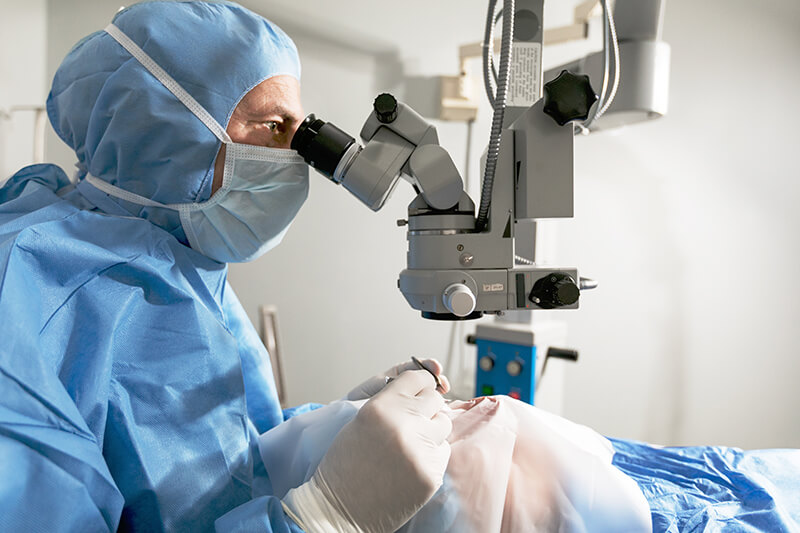
What are the different types?
- Non-Proliferative Diabetic Retinopathy: In its initial stages, NPDR often presents with minimal symptoms. The retina may show only slight changes, such as a few enlarged blood vessels, minor bleeding, or leakage. These subtle signs are typically identified during a comprehensive retinal examination by an ophthalmologist.
- Proliferative Diabetic Retinopathy: As the condition progresses, abnormal new blood vessels may form on the retina. These vessels are prone to bleeding, significantly impairing vision and potentially leading to retinal detachment. Laser treatment is frequently employed to prevent severe, long-term damage.
- Diabetic Maculopathy: This occurs when leakage from blood vessels causes swelling in the macula, severely affecting vision. Treatment options may include laser therapy, intravitreal injections, or surgery to manage the swelling and prevent further damage.
Symptoms of Diabetic Retinopathy
Early detection is key to effective management. Patients should be aware of symptoms that may include:
- Spots or dark strings floating in your vision (floaters)
- Blurred vision
- Fluctuating vision
- Impaired colour vision
- Dark or empty areas in your vision
- Vision loss
Causes of Diabetic Retinopathy
Diabetic retinopathy is most common in individuals who have lived with diabetes for an extended period, mainly when blood sugar levels are not well controlled. This condition affects approximately 8 out of 10 patients with a 10 or more years of diabetes who experience some form of this eye condition. Damage to the retinal blood vessels is at the heart of the disease’s progression.
How does the Diabetic Retinopathy develop?
The retina relies on a network of blood vessels to supply essential oxygen and nutrients. Over time, consistently elevated blood sugar levels can damage these vessels, causing them to bleed, leak, or become blocked. This damage may lead to various forms of retinal impairment, including developing new, fragile blood vessels that can burst, resulting in blurred or lost vision. When the central area of the retina, known as the macula, is affected, the condition is known as Diabetic Maculopathy, a sign of more advanced disease. The risk of retinal damage increases significantly when high blood pressure is also present.
Diabetic retinopathy may be present even when vision appears normal. Comprehensive eye examinations by an ophthalmologist are crucial, often incorporating:
- Fundus Examination: A detailed evaluation of the retina.
- Optical Coherence Tomography (OCT): Imaging to assess retinal thickness and swelling.
- Fluorescein Angiography: A test to visualise the blood vessels in the retina and determine the extent of leakage or blockage.
A range of treatment options is available for diabetic retinopathy, and sometimes a combination of treatments is used. These may include:
- Intravitreal injections of medications (anti-VEGF and/or steroids): Medications such as anti-VEGF drugs help reduce abnormal blood vessel growth and leakage, while steroids diminish macular swelling.
- Laser therapy: Lasers improve oxygen delivery to the retina and reduce the stimulus for the growth of new, abnormal blood vessels.
- Surgery: In advanced cases, surgical intervention may be necessary to remove non-clearing hemorrhages and fibrotic tissue that can lead to retinal detachment.
Tips for prevention:
- Maintain blood sugar levels: Consistently managing blood sugar prevents diabetic retinopathy. Regular monitoring and adhering to your diabetes management plan can significantly reduce the risk.
- Eat a healthy diet: A balanced diet of fruits, vegetables, whole grains, and lean proteins helps maintain blood sugar levels and overall eye health. Avoiding excessive sugar and processed foods can prevent complications.
- Exercise regularly: Regular physical activity helps control blood sugar levels, blood pressure, and cholesterol, which are essential in reducing the risk of exacerbating diabetic retinopathy.
- Routine visits to ophthalmologist: Regular eye exams are essential for early detection of diabetic retinopathy. Early diagnosis allows for timely treatment and better management of the condition.
- Manage Blood Pressure and Cholesterol: High blood pressure and cholesterol levels can exacerbate diabetic retinopathy. If necessary, monitoring and managing these factors through lifestyle changes and medication can help prevent retinal damage.
Early diagnosis of diabetes-related vision problems typically leads to better management and improved outcomes, making regular eye screenings important.
Diabetic Retinopathy Specialists

Dr. Fahd Quhill
Consultant Ophthalmologist in Medical Retina and Ocular inflammatory disease (Uveitis)Clinical Professor Of Ophthalmology (Adjunct)


Dr. Luisa M. Sastre
Consultant Ophthalmologist in General Ophthalmology and Cataract SurgeryGCAA Approved Specialist Aeromedical Examiner
Prof. Ziad Bashshur
Visiting Consultant Ophthalmologist in Medical & Surgical Retina

Dr. Avinash Gurbaxani
Visiting Consultant Ophthalmologist in Uveitis and Medical Retinal Diseases and Cataract Surgery

Dr. Wajiha Kheir
Visiting Consultant Ophthalmologist in Medical Retina and Ocular Oncology

Dr. Ammar Safar
Chief Medical Officer and Consultant Ophthalmologist & Vitreoretinal SurgeonGCAA Approved Specialist Aviation Medical Examiner
Professor of Ophthalmology (Adjunct)

Dr. Ramzi Ghanem
Consultant Ophthalmologist in Medical Retina, Vitreoretinal and Cataract Surgery

