
About Squint (Strabismus) in Children
Squint is a term used within ophthalmology for a misalignment between the two eyes. The medical term for this is ‘strabismus’. While one eye looks straight, a person can have one eye that turns inwards (esotropia), outwards (exotropia), upwards (hypertropia) or downwards (hypotropia). A child may be born with squint or it may be something that develops with age. Squints can appear suddenly or develop slowly, they can be constant or may only be present intermittently.
Types of Squint and Related Conditions in Children
- Manifest squint: This occurs when one eye visibly turns in a different direction from the other, either constantly or occasionally.
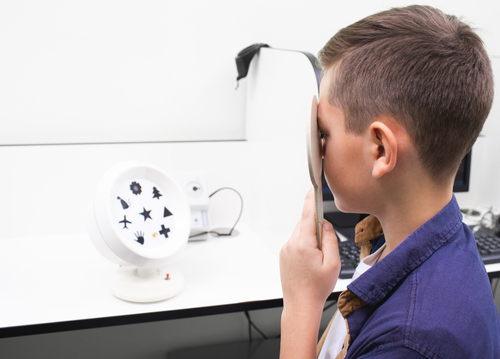
- Latent squint: The eyes usually appear straight, but one eye may move out of alignment when covered during an eye examination or when the eyes are tired.
- Alternating squint: This occurs when the squint affects either eye at different times, rather than always affecting the same eye.
- Accommodative squint: This occurs when one eye turns inwards due to the effort required to focus, particularly in children with long-sightedness.
- Pseudo-strabismus: This occurs when a child’s eyes appear misaligned despite being correctly aligned, often due to facial features such as a broad nasal bridge or skin folds near the eyes.
Looking for more information?
Explore our frequently asked questions for additional information about your condition, care and treatment.
Causes of Squint in Children
A squint can develop for several reasons, although the exact cause is not always known. Common causes include:
- Focusing problems: Conditions such as long-sightedness, short-sightedness, astigmatism or a large difference in prescription between the two eyes can lead to a squint, with long-sightedness being the most common cause of an eye turning inwards.
- Eye movement problems: Difficulties with the muscles or nerves that control eye movement can affect how the eyes work together.
- Reduced vision: Conditions such as cataracts or a droopy eyelid that blocks vision can contribute to the development of a squint.
- Injuries: Injuries affecting the eyes, eye muscles or nerves that control eye movement can cause a squint.
Signs and Symptoms of Squint in Children
The most noticeable sign of a squint is when the eyes point in different directions. However, some squints may be less obvious, and children may not always experience or report symptoms. Common signs and symptoms include:
- Eye misalignment: One eye turns inwards, outwards, upwards or downwards, either constantly or occasionally.
- Head tilting or turning: The child frequently tilts or turns their head to see more comfortably or avoid double vision.
- Closing one eye: The child may close or cover one eye when focusing on objects, particularly in bright sunlight.
- Blurred or double vision: Some children, particularly older children, may experience blurred vision or see two images of the same object.
- Eye strain or headaches: Some children may experience discomfort or headaches, particularly during activities that require prolonged focus.
A child who develops a sudden squint, particularly with double vision or headaches, should receive urgent medical assessment.
Risk Factors for Squint in Children
Certain factors may increase a child’s likelihood of developing a squint, including:
- Family history: Children with a family history of squint are more likely to develop the condition.
- Premature birth: Children born prematurely or with a low birth weight have an increased risk of developing a squint.
- Associated conditions: Squints are more common in children with certain genetic, neurological or developmental conditions, such as Down syndrome, cerebral palsy or developmental delays.
Implications of Squint in Children
Amblyopia
Amblyopia, also known as a ‘lazy eye’, is a childhood condition in which a child’s eyesight does not develop as it should. If there is a squint in one eye the brain ignores the image in the squinting eye to avoid double vision. In this case the brain relies more heavily on the non-squinting eye, therefore the visual pathway in one eye is not stimulated enough and amblyopia develops.
Cosmetic appearance
Some squints are more noticeable than others and some children may become more aware of their eyes not looking straight than others. Family and friends may also notice the appearance of the eyes. In cases where the squint is noticed by the child or others, we can often look at surgical management or other treatments such as Botox injections. Careful measurements and vision assessments are taken to decide on the treatment plan.
Abnormal ‘binocular’ interaction
A squint may cause the eyes not to work together as a pair. This can affect depth perception and normal ‘3D’ vision. In early onset squints, the main aim of early intervention is to align the eyes to given the best possible opportunity for the ability for the eyes to work together as a pair to develop. Patients without this ability may not have ‘3D vision’ (or stereopsis). However, for those with childhood squints, this is usually not a problem, as their brain adapts and they learn to use cues in their environment to perceive depth.
Examination
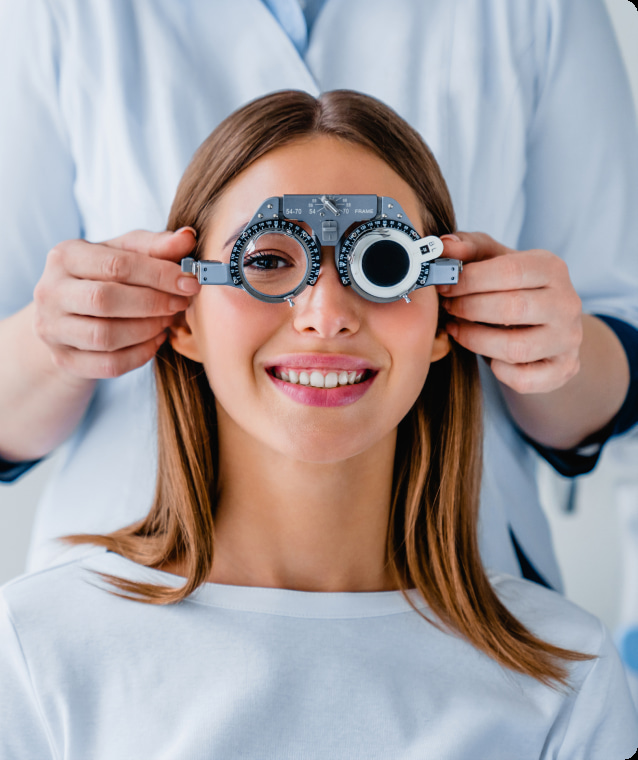
In case of suspicion of squint, a thorough examination of the child’s eyes must be carried out by the specialist with an orthoptist to confirm the type of squint and the best treatment for each case.
The examination begins with a detailed medical interview. The child is then examined by the orthoptist to check visual acuity and to diagnose strabismus, type and degree. In case of defective vision or squint, eye drops will be instilled to expand the pupil and relax the ciliary muscles. Only in this way, the entire retina can be examined and the refractive error diagnosed and its degree, if any.
Glasses
Some squints, usually inward turning squints, can be associated with ‘refractive error’ (need for glasses); often moderate degrees of hypermetropia (long-sightedness). You may notice the squint appears randomly and may be more noticeable when the child looks at things up close. In some children, glasses correct the squint fully. In other cases, there is an improvement in the size of the squint with the glasses on. With this type of squint, it is very normal for the squint to look more obvious when the glasses are removed, as the child tries to over focus and obtain a clear image. Some squints may not be affected by glasses. Given this potential for correction with glasses, in all squints, we start by checking if glasses are needed, then monitoring if glasses change the alignment of the eyes.
Active Monitoring
Some squints may not be constant. You may notice a squint when the child is very tired, in bright sunlight and or when they are unwell. In these cases we work closely with you to determine how often the squint is noticed. We observe how your child is able to control their eyes and keep them straight. We often monitor your child, ensuring things are stable. If the squint worsens to the point that it is noticed more often, we may then discuss further treatment.
Surgery
In cases of congenital (early onset) squints, we often aim to operate early. This is to give the child the best possible chance to develop binocular functions. In some cases, there is also the option of Botox injections to the eye muscles.
In children who have a squint that does not straighten fully with glasses, and has a significant measurement, we may discuss surgery. Surgery is normally a day case and is performed under general anesthesia so the child is asleep for the operation. It is performed on the muscles that attach to the eye to strengthen, weaken or reposition these muscles, to gain a straighter eye position postoperatively.
Paediatric Squint Specialists
Dr. Suhair Twaij
Consultant Ophthalmologist in Adult & Paediatric Strabismus Surgery, Paediatric Ophthalmology, Adult Cataract SurgeryGCAA Approved Specialist Aviation Medical Examiner
- Adult and paediatric strabismus (squint) surgery using adjustable surgery technique
- Complex strabismus surgery, including adjustable suture techniques where appropriate
- General paediatric ophthalmology, including eyelid disorders and watery eyes, including probing and syringing with and without tubes and developmental cataract.
- Myopia management.
- Double vision management using prisms, surgical treatment, and others.
- Adult cataract surgery phacoemulsification with intraocular lens implantation.
- Botox treatment for strabismus and double vision.
- Botox treatment for blepharospasm and hemifacial spasm
- General ophthalmology disorders for adults, including eyelid disorders, dry eye disease, blepharoplasty upper eyelid, diabetic retinopathy assessment and others
- YAG laser for capsular opacification
- Medical degree from Baghdad University Medical School, Iraq
- Ophthalmology specialist training in England and Northern Ireland, UK
- Certificate of Completion of Training (CCT) in Ophthalmology, UK
- Fellowship of the Royal College of Ophthalmologists (FRCOphth)
- Fellowship of the Royal College of Physicians and Surgeons of Glasgow in Ophthalmology (FRCS Ophth Glasg)
- Postgraduate Diploma in Cataract & Refractive Surgery, University of Ulster UK
- Member of the Royal College of Ophthalmologists (RCOphth)
- Member of the British & Irish Paediatric Ophthalmology and Strabismus Association (BIPOSA)
- Member of the European Strabismological Association (ESA)
- Published research indexed in MEDLINE across a range of ophthalmology topics
- Research includes medical retina, paediatric ophthalmology and oculoplastics

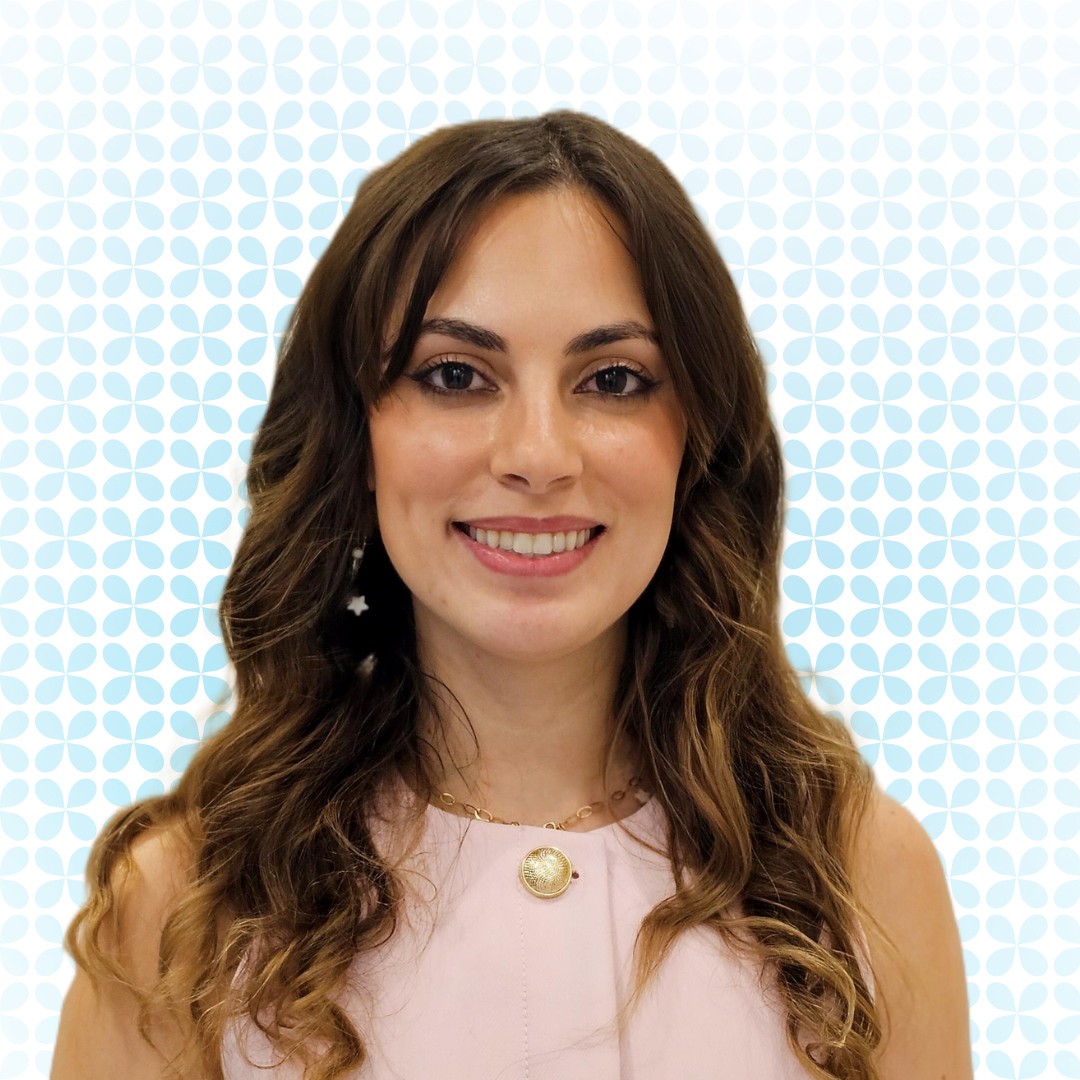
Dr. Salma Yassine
Consultant Ophthalmologist in Paediatric Ophthalmology and Adult & Paediatric Neuro-ophthalmology- Paediatric ophthalmology (pediatric ophthalmology)
- Adult neuro-ophthalmology
- Paediatric neuro-ophthalmology
- Children’s eye care
- Squint and eye misalignment (strabismus)
- Neuro-ophthalmic assessment
- Eye, optic nerve and brain-related visual conditions
- Bachelor of Science with High Distinction from the American University of Beirut, Lebanon
- Medical degree from the American University of Beirut, Lebanon
- Ophthalmology residency at the American University of Beirut Medical Center, Lebanon
- Fellowship in Neuro-Ophthalmology at the University of Minnesota, USA,
- Fellowship in Paediatric Ophthalmology and Strabismus at Children’s National Medical Center, Washington, DC, USA
- Master’s degree in Clinical Operations from Harvard Medical School, USA
- Member of the American Association for Pediatric Ophthalmology and Strabismus (AAPOS)
- Member of the North American Neuro-Ophthalmology Society (NANOS)
- Member of the Lebanese Ophthalmological Society (LOS)
- Research in intracranial hypertension and nanophthalmos
- Published research on nystagmus and nanophthalmos in leading scientific journals
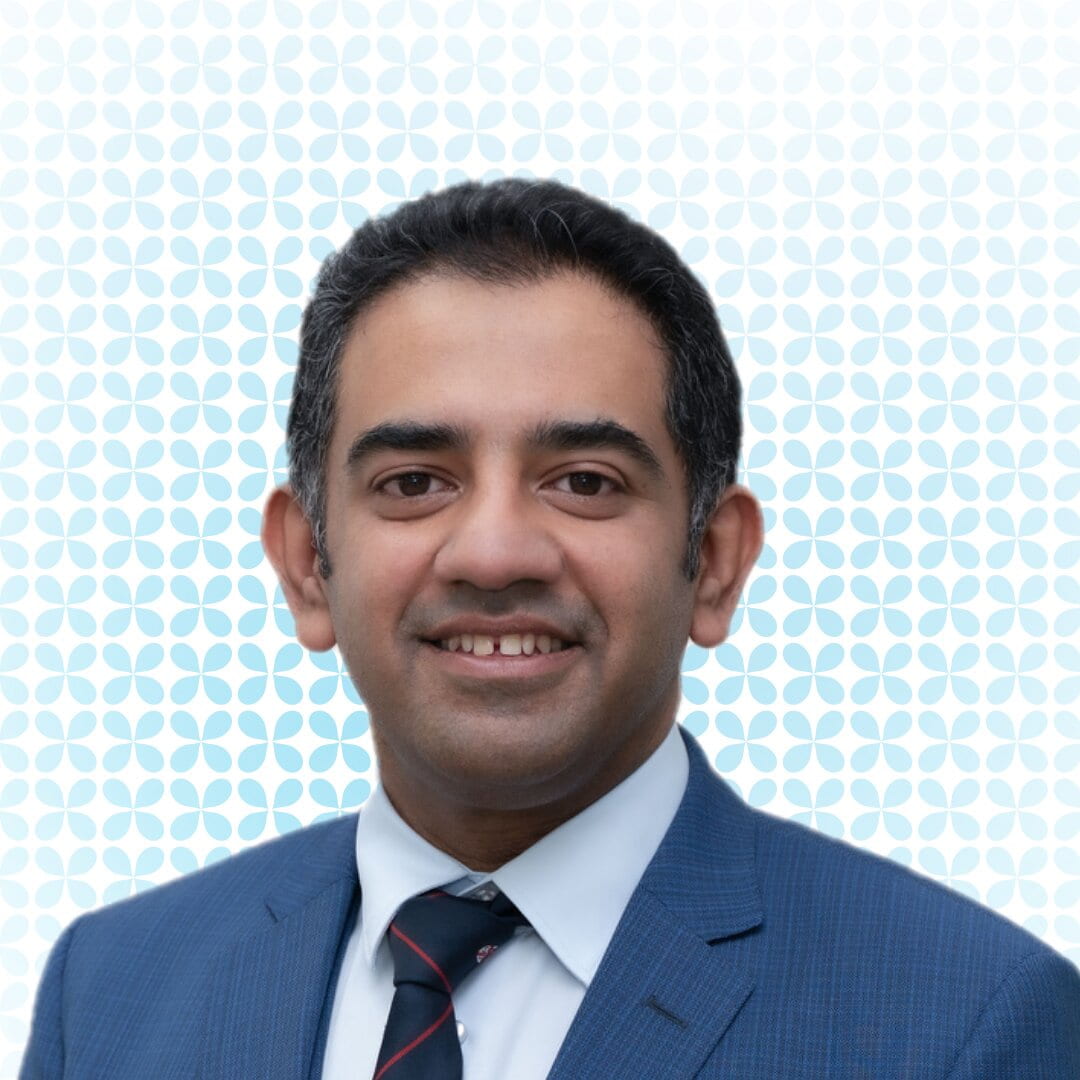
Dr. Muhammad Irfan Khan
Consultant Ophthalmic surgeon in Paediatric Ophthalmology and adult StrabismusChief of Paediatric Ophthalmology
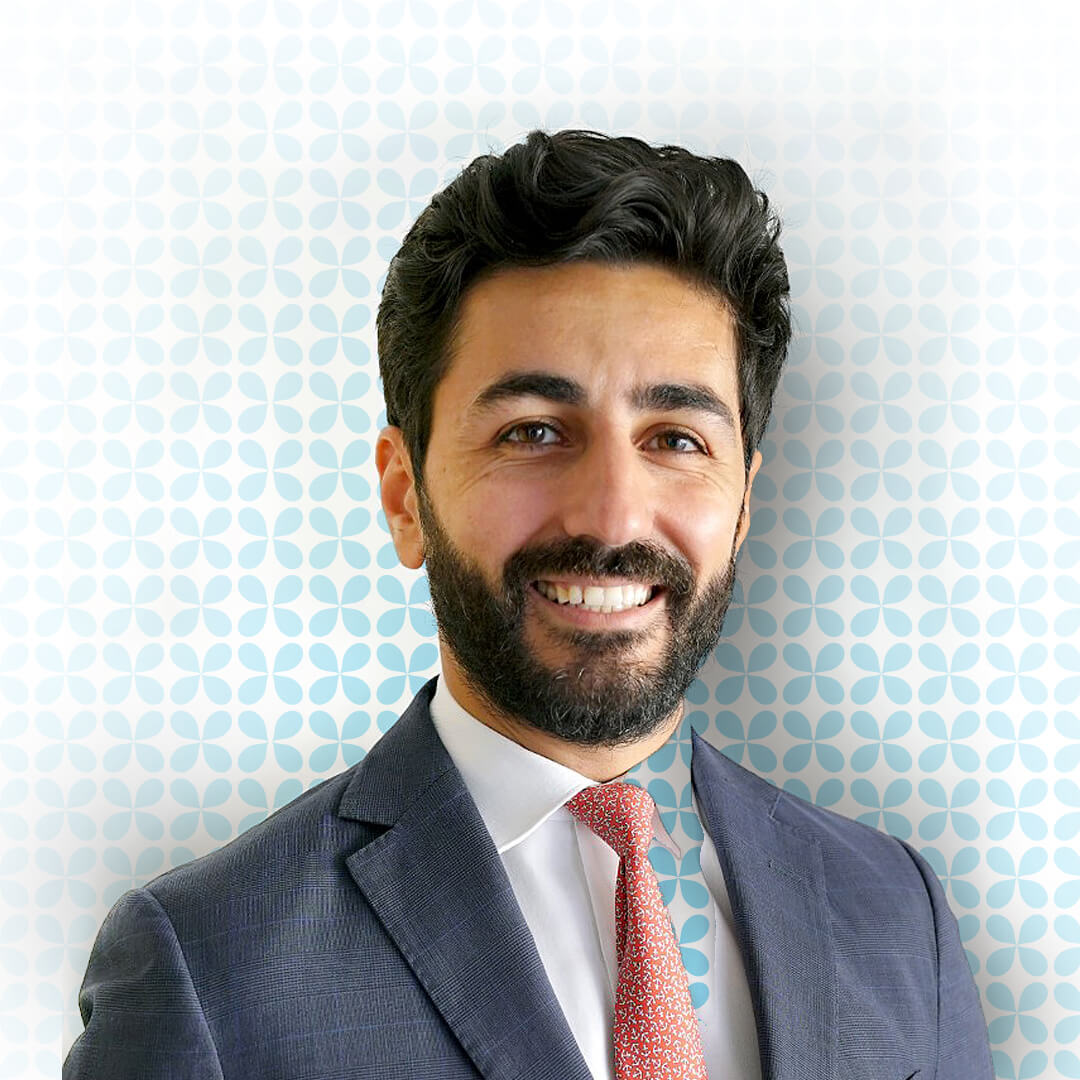
Dr. Alaa Bou Ghannam
Visiting Specialist Ophthalmologist in Neuro-Ophthalmology, Paediatric Ophthalmology, Paediatric Glaucoma & Adult Strabismus- Neuro-ophthalmology
- Paediatric ophthalmology
- Paediatric glaucoma
- Adult strabismus
- Bachelor of Science with High Distinction from the American University of Beirut, Lebanon
- Medical degree from the American University of Beirut, Lebanon
- Ophthalmology residency at the American University of Beirut Medical Centre
- Fellowship in Paediatric Ophthalmology and Adult Strabismus at Children’s National Health System and George Washington Hospital, Washington DC, USA
- Fellowship in Neuro-Ophthalmology at the University of Colorado, USA
- Member of the American Academy of Ophthalmology (AAO)
- Member of the Lebanese Ophthalmological Society (LOS)
- Member of the North American Neuro-Ophthalmology Society (NANOS)
- Member of the American Association for Pediatric Ophthalmology and Strabismus (AAPOS)
- Research in clinical ophthalmology and neurology
- Published more than a dozen research papers and book chapters
- Research topics include strabismus, optic nerve diseases, paediatric glaucoma, paediatric ophthalmology, ocular electrophysiology and nystagmus
- Published in leading medical journals
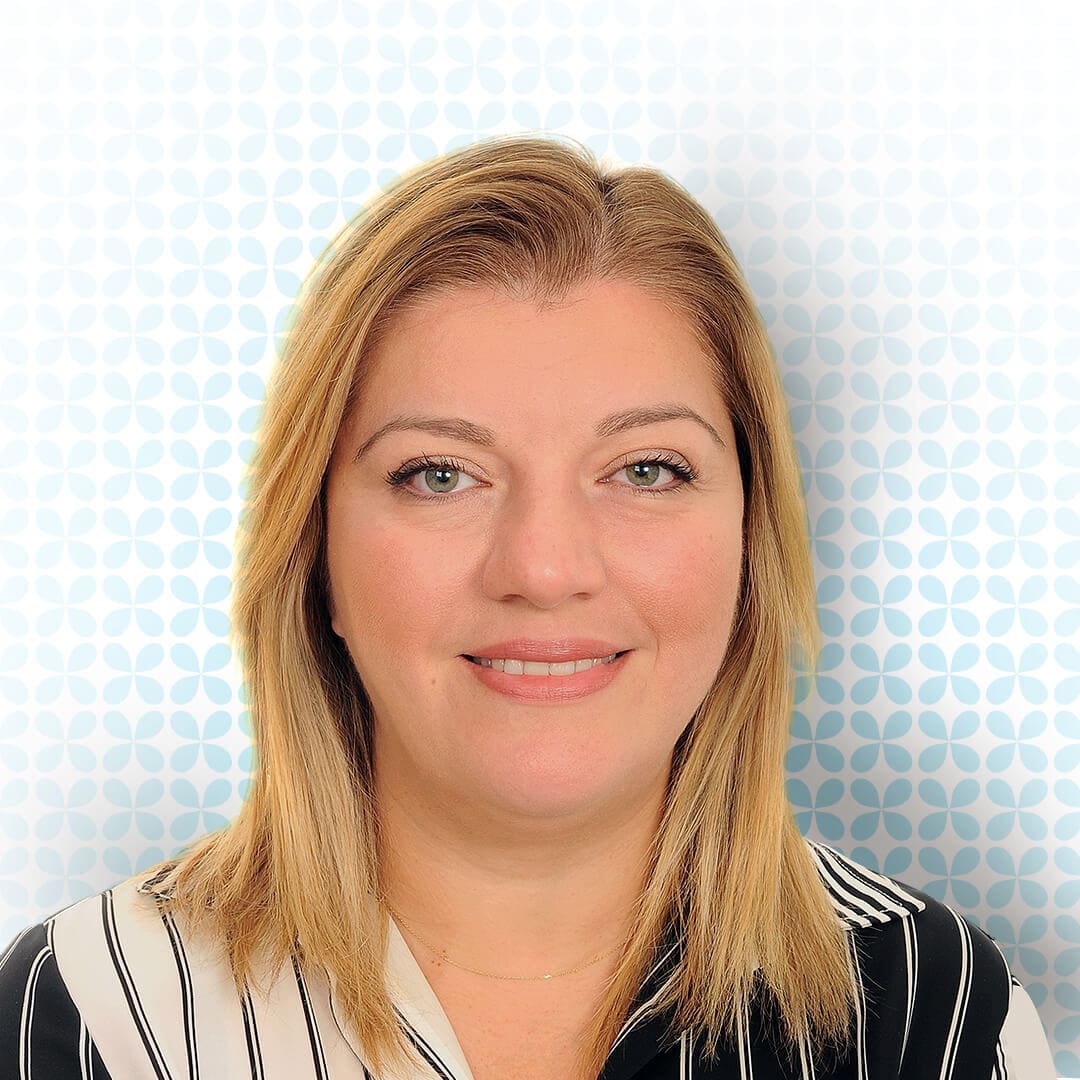
Dr. Christiane Al Haddad
Visiting Consultant Ophthalmologist in Paediatric Ophthalmology and Adult Strabismus- Paediatric ophthalmology
- Lazy eye (Amblyopia)
- Squint (strabismus)
- Progressive myopia
- Paediatric cataracts and glaucoma
- Paediatric genetic eye diseases
- Retinoblastoma
- Adult strabismus, thyroid eye disease and cranial nerve palsies
- Doctor of Medicine from the American University of Beirut, Lebanon
- Ophthalmology Residency at the American University of Beirut, Lebanon
- Fellowship in Paediatric Ophthalmology at Children’s National Medical Centre, Washington, DC, USA
- Fellowship in Paediatric Ophthalmology and Adult Strabismus at Duke Eye Centre, Durham, North Carolina, USA
- Member of the American Association for Paediatric Ophthalmology and Strabismus
- Member of the International Strabismological Association
- Member of the Costenbader Society
- Professor of Ophthalmology and Director of the Paediatric Ophthalmology Division at the Ophthalmology Department, American University of Beirut, Lebanon
- Established the retinoblastoma programme with the oncology team at the Children’s Cancer Centre of the American University of Beirut in collaboration with St Jude Children’s Research Hospital, Memphis, USA
- Conducted extensive research in paediatric ophthalmology with more than 80 publications in peer-reviewed journals on topics of amblyopia, strabismus, genetic eye diseases, retinoblastoma, congenital glaucoma, vision screening, eye-tracking technology and machine learning models
- Research published in leading journals including the British Journal of Ophthalmology, American Journal of Ophthalmology, Journal of AAPOS, Journal of Pediatric Ophthalmology and Strabismus and Canadian Journal of Ophthalmology
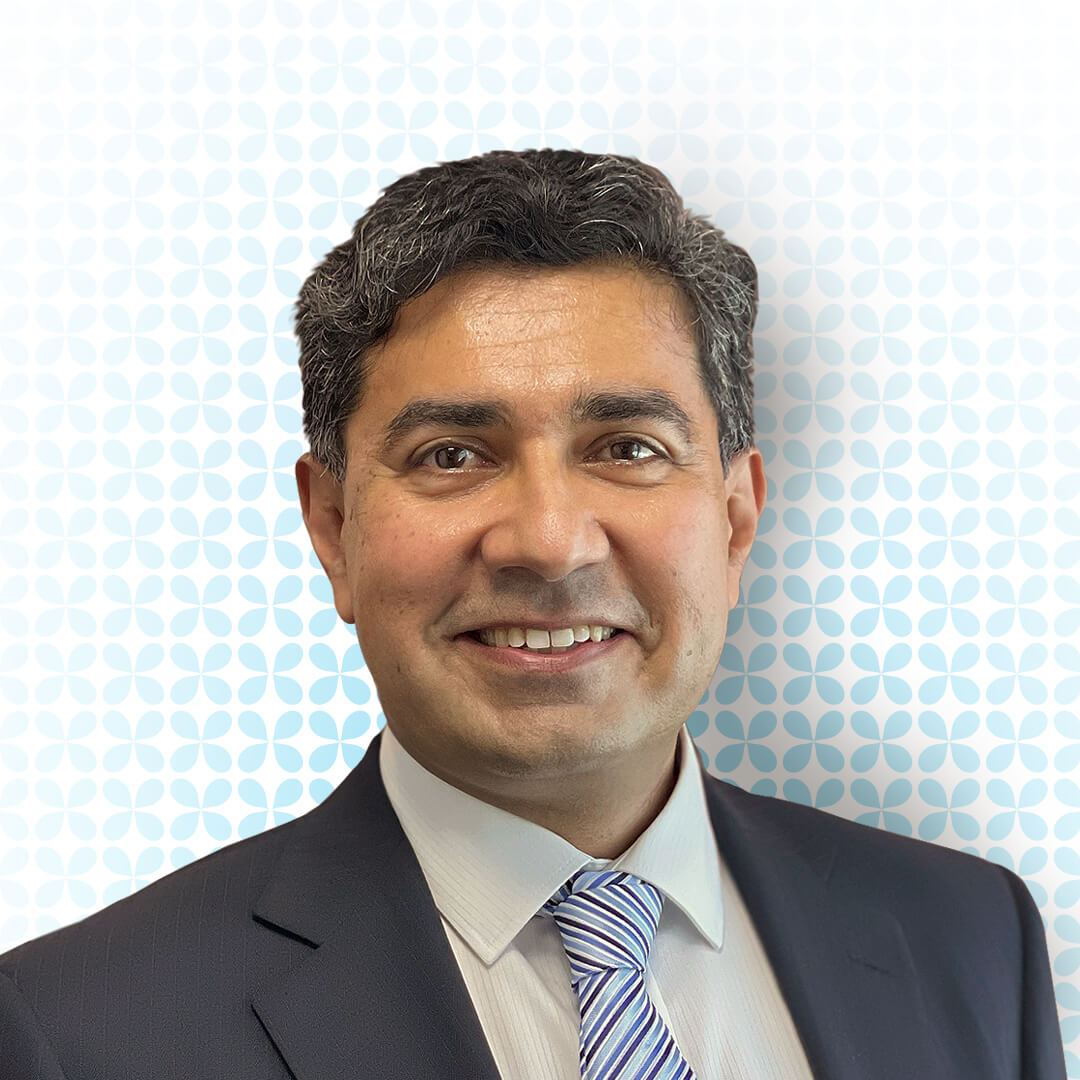
Dr. Syed M. Asad Ali
Consultant Ophthalmologist in Paediatric Ophthalmology, Strabismus (squint) and Cataract Surgery
Dr. Muhammad Irfan Khan
Consultant Ophthalmic surgeon in Paediatric Ophthalmology and adult StrabismusChief of Paediatric Ophthalmology
FAQ
You should arrange an assessment with a paediatric eye specialist if your child’s squint is still present after three months of age or is seen repeatedly. A squint that appears suddenly or is constant should be assessed promptly at any age, including in the first few months of life. Early assessment can establish the type of squint and whether it is affecting your child’s normal visual development.
A child should not be assumed to grow out of a squint. Some babies may appear to have a squint because of the shape of the nose and surrounding facial features, whilst some types of genuine squint can change as the child grows. A specialist assessment is therefore required to confirm whether a true squint is present and whether monitoring or treatment is needed
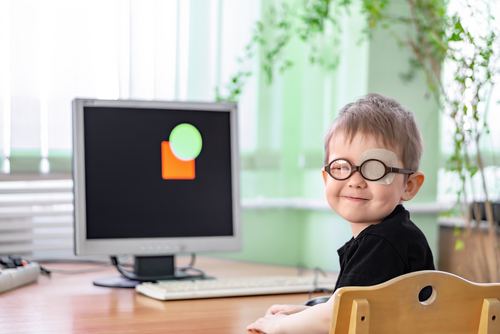
A squint and a lazy eye are different conditions, although they can occur together. A squint refers to eyes that are not aligned, whilst a lazy eye, medically known as amblyopia, develops when vision in one or both eyes does not develop normally during childhood. Treatment such as patching can improve vision in the weaker eye but does not necessarily correct the eye’s alignment.
Our paediatric pathway may involve an optometrist, an orthoptist and an ophthalmologist working in sequence, with each assessment contributing to an accurate clinical picture of your child’s vision and eye alignment. The examination may include checking the vision in each eye, measuring the direction and degree of the squint, assessing whether glasses are required and using dilating eye drops to examine the eyes more fully.
Treatment depends on the type and cause of the squint, the vision in each eye and how well the eyes work together. It may include glasses, structured monitoring, patching or eye drops to treat associated amblyopia, selected eye exercises, botulinum toxin injections or surgery. Each treatment has a different purpose, which may include improving vision in the weaker eye, correcting a glasses prescription, improving eye alignment or supporting the ability of the eyes to work together
Glasses can fully or partly correct some squints, particularly inward-turning squints associated with long-sightedness. In other cases, glasses may improve alignment without fully correcting it, and further treatment may be considered after the child has worn the prescribed glasses for the recommended period.
Squint surgery may be recommended when a significant squint is not fully corrected by glasses, or when earlier alignment improvement may support the development of binocular vision. The procedure is usually performed as a day case under general anaesthesia and involves strengthening, weakening or repositioning the muscles attached to the outside of the eye to achieve a straighter eye position.
We have paediatric squint specialists in Dubai and Abu Dhabi, supported by orthoptists and optometrists who work together to assess and manage different forms of childhood squint. Care is provided in dedicated paediatric departments that were designed with our little patients in mind.
Squint surgery is a commonly performed and generally safe procedure that can improve the alignment of the eyes. However, the outcome cannot be predicted precisely, and one operation may not fully correct the squint. Some children may require further surgery later in life, and the squint may return in the same or opposite direction. Squint surgery is intended to improve eye alignment; it does not treat amblyopia and does not usually remove the need for glasses.
Squint care at our specialist eye Hospitals in Dubai and Abu Dhabi is delivered within established clinical governance, audit and patient safety frameworks, with clinical protocols aligned to those followed by Moorfields Eye Hospital London. Our hospitals hold recognised international accreditations, including JCI and ACHSI, while Moorfields Eye Hospital Dubai also holds ACHSI Centre of Excellence status in ophthalmology. We regularly measure and publish clinical outcomes to provide patients with clear, transparent information about the quality of care we deliver.
Learn more about our satisfaction rates and outcomes: https://moorfields.ae/our-satisfaction-rates/