



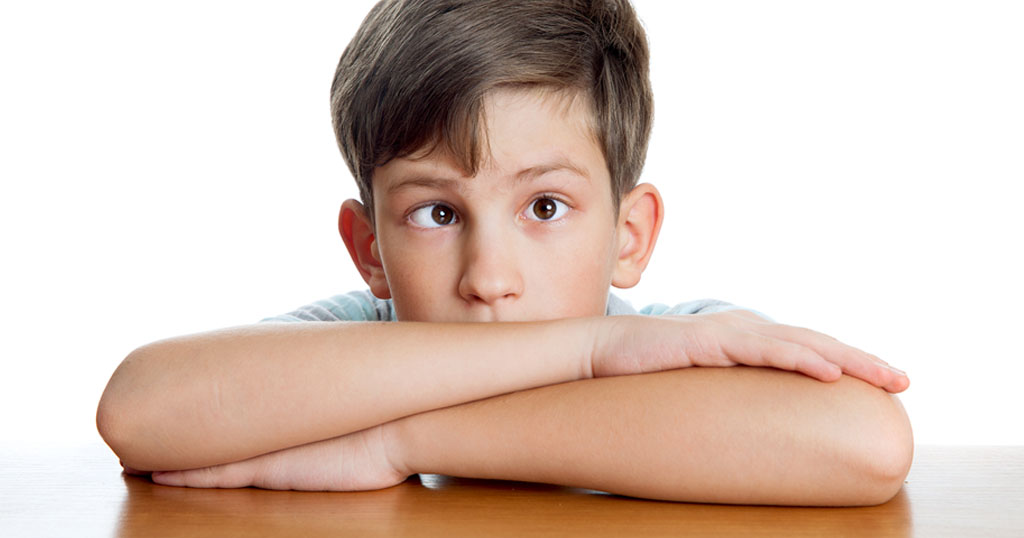
Squint (strabismus) in Children: Causes, Signs, and Treatment in Dubai
Medically reviewed on April 2026
A squint or misalignment of the eyes, known medically as strabismus, is a childhood condition in which the eyes do not point in the same direction. In young children, a squint is more than a matter of appearance, as eye misalignment can significantly affect how vision develops if not identified and managed early.
In this blog, we explain what Squint is, what may cause it, the signs parents should look out for, how it is diagnosed and treated, and why early attention matters for a child’s long-term vision.
What is squint?
In normal vision, both eyes work together to focus on the same point of direction, allowing the brain to combine the images from each eye into a single, clear picture. This coordination is essential for depth perception and overall visual function; however, with squint, this alignment is disrupted, causing the brain to receive two different images. To avoid double vision, the brain may begin to ignore the image from the misaligned eye, which, over time, can lead to lazy eye (amblyopia), where vision in the affected eye does not develop properly.
The misalignment may be constant or intermittent, and it can become more noticeable when a child is tired, unwell, daydreaming or concentrating on a close task.
Squint in children can present in different forms:
- Esotropia – an eye turns inward.
- Exotropia – an eye turns outward.
- Vertical strabismus – one eye sits higher or lower than the other.
What causes Squint in children?
There are different reasons why a child may develop a squint, and sometimes there is no single obvious cause. Causes of squint include:
Problem with fusional development
The most common cause of a squint in children is a disruption in the early development of fusion; the ability of the brain to combine images from both eyes into a single, unified picture. In these cases, the child’s brain has not fully learned to use the two eyes together as a coordinated pair.
Muscle or nerve imbalance
Children can have a problem with the coordination of the eye muscles or the nerves that control them. If the signals from the brain to the eye muscles are not balanced, one eye may turn in a different direction from the other.
Refractive errors
Uncorrected refractive errors, particularly significant long-sightedness (hypermetropia), can cause the eyes to turn inward. This happens because the extra focus required to see clearly can pull the eyes out of alignment. This type of squint is called an accommodative esotropia.
Family history
Children who have a parent or sibling with squint may be more likely to develop the condition themselves. A family history does not mean a child will definitely have a squint, but it does increase the chances of developing a squint and highlights the importance of early screening.
Premature birth and developmental conditions
Children born prematurely or with certain developmental or neurological conditions may have a higher risk of developing squint. In these cases, closer monitoring of eye alignment and visual development during early childhood is important.
Other eye conditions
Less commonly, squints can result from other eye conditions, such as childhood cataracts. This leads to reduced vision, and when one eye has significantly reduced vision, the brain may stop using it properly, which can lead to a squint.
What are the signs of squint in Children?
Recognising the early signs of squint can make a significant difference to treatment outcomes. The signs may vary depending on the child’s age.
| Age group | Signs to watch for |
| Newborn (0–3 months) | Occasional crossing may be normal, but constant misalignment should be assessed |
| Around 6 months | Eyes should be aligned consistently; persistent turning is not typical |
| 1–3 years | Head tilting, squinting, poor coordination, and bumping into objects |
| School age | Closing one eye in bright light, difficulty reading, and complaints of double vision. |
Parents are advised to seek a paediatric eye examination if any of these signs are noticed, even if they appear only occasionally.
How is squint in children diagnosed?
Diagnosis of squint in children is made through a detailed eye examination that assesses vision, alignment, and how well the eyes work together. Young children may also need tests that do not rely on knowing letters or reading. This type of examination helps determine whether the squint is related to a glasses prescription, whether a lazy eye is also present, and which treatment approach is most appropriate. At Moorfields Eye Hospital Dubai, the assessment is carried out by a paediatric ophthalmologist working alongside an orthoptist, and optometrist so that both the medical and functional aspects of the child’s vision are evaluated.
What are the treatment options for children with squint in Dubai?
Treatment is tailored to each child and depends on the type and severity of the squint, the child’s age, and any associated conditions, such as lazy eye or refractive error. Treatment for squint may include glasses, patching, atropine eye drops, orthoptic exercises, or surgery, depending on the findings of the assessment and the child’s individual needs
Glasses
When squint is linked to long-sightedness or another refractive error, glasses are often the first step. Correcting the focusing error can reduce the strain on the eye muscles and, in some cases, improve alignment without the need for further treatment. The child’s response to glasses is monitored over time before deciding whether additional steps are necessary.
Eye Patching
If a squint has led to lazy eye, eye patching may be recommended. This involves covering the stronger eye for a prescribed number of hours each day to encourage the brain to use the weaker eye. Patching treats the reduced vision rather than the squint itself, but addressing lazy eye is an important part of the overall treatment plan.
Atropine eye drops
Atropine eye drops offer an alternative to patching in some cases. The drops are placed in the stronger eye to temporarily blur near vision, which encourages the child to rely more on the weaker eye. Like patching, atropine is mainly used to treat lazy eye rather than the squint itself.
Orthoptic exercises
In some cases, orthoptic exercises may be recommended. These are structured visual exercises designed to improve the coordination and control of eye movements. They are carried out under the guidance of an orthoptist, who assesses the child’s binocular vision and prescribes exercises suited to their needs. Orthoptic exercises are not appropriate for all types of strabismus, but when used in the right cases, they can help strengthen the brain’s ability to use both eyes together.
Squint surgery
Surgery for children may be considered when eye alignment does not improve enough with non-surgical treatment for squint, or when surgery offers the best chance of improving alignment. Squint surgery is a well-established procedure that aims to improve eye alignment by adjusting the eye muscles to help the eyes point in a better position. The procedure is carried out under general anaesthetic and is typically a day-case procedure, meaning the child can go home the same day.
It is important for parents to understand that surgery aims to improve alignment, but it does not always eliminate the need for ongoing treatment, such as glasses or patching.
Why does early treatment matter?
The early years of life are a critical period for visual development. During this time, the brain is learning how to use both eyes together effectively. If squint is not treated early, the brain may begin to suppress the image from the misaligned eye, which can lead to:
- Lazy eye (amblyopia), where vision in one eye does not develop properly.
- Reduced depth perception, making it harder to judge distances.
- Long-term reliance on one eye for visual tasks.
Early diagnosis and treatment can help support normal visual development, improve eye alignment, and reduce the risk of lasting vision problems.
When to see a doctor for squint in Dubai?
Parents should seek an eye assessment with a paediatric eye specialist if they notice any of the following:
- Constant eye misalignment of the eyes
- Intermittent misalignment after three to four months of age.
- Sudden onset of a squint at any age.
- One eye is turning consistently in or out.
- Double vision in older children.
- Head tilting or closing one eye frequently.
- Delayed visual development or poor visual attention.
- A squint associated with headaches, a change in behaviour, or milestone regression
Early assessment can help identify the cause and begin appropriate treatment without delay. With timely diagnosis and the right care, many children with squint can achieve good visual outcomes and improved eye coordination.
If you notice any signs of eye misalignment, arranging a comprehensive eye examination is an important first step towards supporting your child’s vision.
Frequently Asked Questions (FAQs)
1. Can squint in children correct itself?
In very young infants, occasional eye misalignment can be normal, particularly in the first few months of life while visual coordination is still developing. However, by 3 to 4 months of age, the eyes should be consistently aligned. Persistent or noticeable squint in infants does not typically resolve on its own and should be assessed by a paediatric eye specialist to understand the underlying cause, and determine whether treatment is needed.
2. At what age is squint surgery best for children?
There is no single ideal age that applies to all children. The timing of surgery depends on the type of squint, its severity, and its effect on visual development. In some cases, particularly where eye alignment is significantly disrupted early in life, surgery may be recommended at a younger age to help the eyes work together more effectively. In other cases, treatment may begin with glasses or other methods before surgery is considered.
3. Is Squint surgery safe for toddlers?
The procedure is commonly performed in children, including toddlers, when clinically appropriate. When undertaken by an experienced paediatric ophthalmologist, it forms part of a carefully planned approach to treating eye misalignment in childhood. As with any operation, there are risks, but serious complications are uncommon. Most children recover well, return home the same day, and are followed up to monitor healing and alignment.
4. How long does recovery take?
Recovery from squint surgery is generally straightforward. Most children are able to return to school within one to two weeks, although this will depend on how they are feeling. After surgery, it is normal for the eye to appear red and feel sore for a few weeks. Eye drops are usually prescribed to help with healing, and mild discomfort can be managed with age-appropriate pain relief. The redness may take several weeks to fully settle. Follow-up appointments are set to assess alignment, healing, and visual progress.
5. Does squint surgery need more than one operation?
Many children achieve good alignment with a single procedure. However, squint is a complex condition, and outcomes can vary depending on how the eyes respond over time. In some cases, further adjustment may be needed later in childhood to refine alignment or maintain long-term results. This does not necessarily indicate a problem; rather, it reflects the dynamic nature of eye development.
6. Is it covered by UAE insurance?
In many cases, squint treatment, particularly when it is considered medically necessary, may be covered by health insurance in the UAE. This can include consultations, diagnostic tests, and sometimes surgical treatment. However, coverage varies depending on the insurance provider, policy type, and specific clinical indication. Some plans may differentiate between functional and cosmetic procedures. It is always advisable to check directly with the insurance provider or the hospital’s insurance team to understand the extent of coverage.