About Age-related Macular Degeneration (AMD)
Age-related macular degeneration (AMD) is an eye condition that affects the macula, a small area at the centre of the retina responsible for sharp, detailed vision. AMD becomes more common with age and can affect one or both eyes.
AMD can cause blurred, distorted or reduced central vision, making everyday activities such as reading, driving and recognising faces more difficult. Straight lines may appear wavy, and in advanced cases, dark or blurred areas may develop in the centre of vision. Peripheral (side) vision usually remains unaffected.
In its early stages, AMD may develop without noticeable symptoms, making regular eye examinations important for early detection and monitoring.


Types of Age-related Macular Degeneration (AMD)
AMD has two main types: dry and wet. They differ in how they develop, progress and affect vision.
- Dry AMD: Dry AMD is the most common type, and it is associated with the build-up of small deposits called drusen beneath the retina and gradual changes to the cells of the macula. Dry AMD can progress through early, intermediate and advanced stages, although not everyone will develop advanced disease. The advanced stage of dry AMD is known as geographic atrophy, in which cells in the macula progressively deteriorate, potentially causing permanent loss of central vision. Some people with dry AMD may also develop wet AMD, which can occur at any stage.
- Wet AMD: Wet AMD is less common but can progress much more rapidly. It occurs when abnormal blood vessels grow beneath the retina and leak fluid or blood, damaging the macula. Without prompt treatment, wet AMD can lead to scarring and permanent loss of central vision.
Causes of AMD
The exact cause of AMD is not fully understood, but ageing is the strongest risk factor. Genetic and lifestyle factors can also influence the likelihood of developing the condition.
People who smoke or have a family history of AMD are at increased risk. High blood pressure and being overweight have also been linked to the condition. However, having one or more of these risk factors does not necessarily mean a person will develop AMD.
Smoking is the most important risk factor that can be changed, and stopping smoking may help reduce the risk of developing AMD or its progression.
Symptoms of AMD
Symptoms can vary depending on the stage of AMD and may be difficult to notice, particularly when one eye is more affected than the other, as the stronger eye can compensate.
Some people may experience difficulty seeing in low light, need brighter lighting for reading or close-up activities, or notice that colours appear less vivid. Reduced contrast sensitivity can also make it harder to distinguish objects from their surroundings.
Some people with significant sight loss from AMD may experience visual hallucinations, such as seeing patterns, shapes or faces that are not there. This may be caused by Charles Bonnet syndrome, a condition associated with sight loss that is not itself a mental health disorder. Anyone experiencing these symptoms should seek medical assessment to rule out other possible causes.
AMD does not usually cause pain or visible changes to the appearance of the eyes. However, any sudden changes in central vision require urgent assessment by an ophthalmologist.
Treatment of Age-related Macular Degeneration (AMD)
AMD treatment depends on the type and stage of the condition, with the aim of preserving vision and slowing disease progression.
Treatment for wet AMD
Wet AMD is usually treated with injections into the eye of medicines known as anti-vascular endothelial growth factor (anti-VEGF) agents. These medicines help control the growth and leakage of abnormal blood vessels beneath the retina, helping to stabilise vision and, in some cases, improve it.
Treatment usually involves a series of injections at regular intervals, with frequency adjusted based on how the eye responds. Many patients require ongoing treatment to keep the condition under control. Regular monitoring lets the ophthalmologist assess treatment effectiveness and decide when further injections are needed.
In selected cases, photodynamic therapy (PDT), a specialised light-activated treatment, may also be considered.
Treatment for dry AMD
There is currently no cure for dry AMD. Management focuses on monitoring the condition, reducing the risk of progression and preserving existing vision. For people with intermediate AMD in one or both eyes, or advanced AMD in one eye, a specific combination of vitamins and minerals known as AREDS2 supplements may help reduce the risk of progression to advanced disease in the affected or fellow eye.
These supplements do not prevent AMD from developing or restore vision that has already been lost. They are not suitable for everyone and should be taken only on an ophthalmologist’s advice.
For patients experiencing significant vision loss, low vision aids and rehabilitation services may help with everyday activities and maintaining independence.
Age-related Macular Degeneration (AMD) Specialists

Dr. Ammar Safar
Chief Medical Officer and Consultant Ophthalmologist & Vitreoretinal SurgeonGCAA Approved Specialist Aviation Medical Examiner
Professor of Ophthalmology (Adjunct)
- Vitreoretinal diseases and surgery
- Retinal Detachment surgery
- Diabetic retinopathy
- Macular hole surgery
- Cataract surgery
- Intravitreal injections
- Retinal vascular diseases and vascular occlusive disorders
- Age-related macular degeneration, including exudative macular degeneration
- Aviation Ophthalmology
- American Board-Certified Ophthalmologist
- Medical degree from Aleppo University, Aleppo, Syria
- Residency training in Ophthalmology at Georgetown University, Washington, DC, USA
- Served as Chief Resident at Georgetown University, Washington, DC, USA
- Fellowship in Vitreoretinal Diseases & Surgery at the University of Texas Southwestern Medical Centre, Dallas, Texas, USA
- American Academy of Ophthalmology
- Fellow of the American College of Surgeons (FACS)
- American Society of Retina Specialists
- European Society of Retina Specialists
- American Society of Cataract and Refractive Surgery
- Association for Research in Vision and Ophthalmology (ARVO)
- Arab-American Medical Association
- Adjunct Professor of Ophthalmology at Mohammed Bin Rashid University of Medicine and Health Sciences (MBRU)
- Former Assistant Professor and later Associate Professor and Director of Vitreoretinal Surgery at the Department of Ophthalmology, Jones Eye Institute, University of Arkansas for Medical Sciences, USA
- Conducted research and clinical trials in diabetic retinopathy and age-related eye diseases
- Research contributed to advances in the management of retinal vascular diseases, including diabetic retinopathy and vascular occlusive disorders
- Research contributed to new approaches for the treatment of exudative macular degeneration
- Inaugural recipient of The Martha Wood Bentley Endowed Chair of Ophthalmology at the University of Arkansas


Dr. Emmanuelle Leys
Consultant Ophthalmologist in Medical Retina and Cataract SurgeryAreas of Expertise
- Age-related macular degeneration
- Retinal vascular diseases
- Intravitreal injections
- Retinal fluorescein angiography
- Indocyanine green (ICG) angiography
- Anterior and posterior segment laser treatments
- Cataract surgery
- Medical and laser treatment of glaucoma
- General ophthalmology
Qualifications
- Medical degree with High Honours from Brussels University, Belgium
- International Diploma, European Board of Ophthalmology (EBO)
- Postgraduate Interuniversity Diploma in Ocular Surface Disease from the University of Tours Faculty of Medicine, France
- Postgraduate Interuniversity Diploma in Retinal Diseases from Paris-Est Créteil University, France
- Advanced training in Cataract Surgery at Agarwal Eye Hospital, India
Professional Affiliations
- Member of the European Society of Cataract and Refractive Surgeons (ESCRS)
- Member of the European Society of Retina Specialists (EURETINA)
Research & Academic Work
- Published research on retinal conditions, including autosomal dominant vitreoretinal choroidopathy and chronic central serous chorioretinopathy
- Recipient of a Brugmann Foundation research grant for work investigating chorioretinopathy in scuba divers
- Presented research at international retina congresses

Dr. Fahd Quhill
Consultant Ophthalmologist in Medical Retina and Ocular inflammatory disease (Uveitis)Clinical Professor Of Ophthalmology (Adjunct)
- Uveitis and ocular inflammatory diseases
- Infectious eye diseases
- Autoimmune diseases affecting the eye
- Complex inflammatory eye disease requiring immunosuppressive treatment
- Diabetic retinal disease
- Age-related macular degeneration
- Inherited retinal diseases
- Retinal vascular diseases
- Bachelor of Medicine and Bachelor of Surgery (MBChB), University of Birmingham, UK
- Fellow of the Royal College of Surgeons of Edinburgh (FRCSEd)
- Member of the Royal College of Ophthalmologists (MRCOphth)
- Bachelor of Medical Science (BMedSc), University of Birmingham, UK
- Ophthalmology specialist training in Oxford, Birmingham and London, UK
- Three Medical Retina Fellowships completed in Birmingham, Wolverhampton and Moorfields Eye Hospital London, UK
- Member of the Royal College of Ophthalmologists
- Clinical Professor of Ophthalmology (Adjunct)
- Principal Investigator in numerous clinical trials investigating macular degeneration, retinal vein occlusion and diabetic macular oedema
- Author of 27 research papers on retinal and ocular inflammatory diseases
- Research published in leading peer-reviewed journals, including Ophthalmology, British Journal of Ophthalmology and Eye

Dr. Luisa M. Sastre
Consultant Ophthalmologist in General Ophthalmology and Cataract SurgeryGCAA Approved Specialist Aeromedical Examiner
- General ophthalmology
- Cataract assessment and surgery
- Diabetic retinopathy
- Macular degeneration
- Medical degree from Universidad Autónoma Medical School, Spain
- Board Certification in Ophthalmology from Universidad Autónoma de Madrid, Spain
- Ophthalmology residency at Hospital Universitario Gregorio Marañón, Madrid, Spain
- Board Certification in Intensive Care Medicine
- Intensive Care Medicine residency at Fundacion Jiménez Diaz, Madrid, Spain
- PhD from Universidad Autónoma de Madrid, Spain
- Master’s degree in Healthcare Organisation Leadership from ESADE Business School, Spain
- Member of Sociedad Española de Oftalmología (SEO)
- Member of Surgical Eye Expeditions International, a nonprofit humanitarian organisation supporting eye care clinics worldwide
- Presented papers at national and international congresses
- Organised educational courses on cataract surgery and medical retina for professional peers and opticians
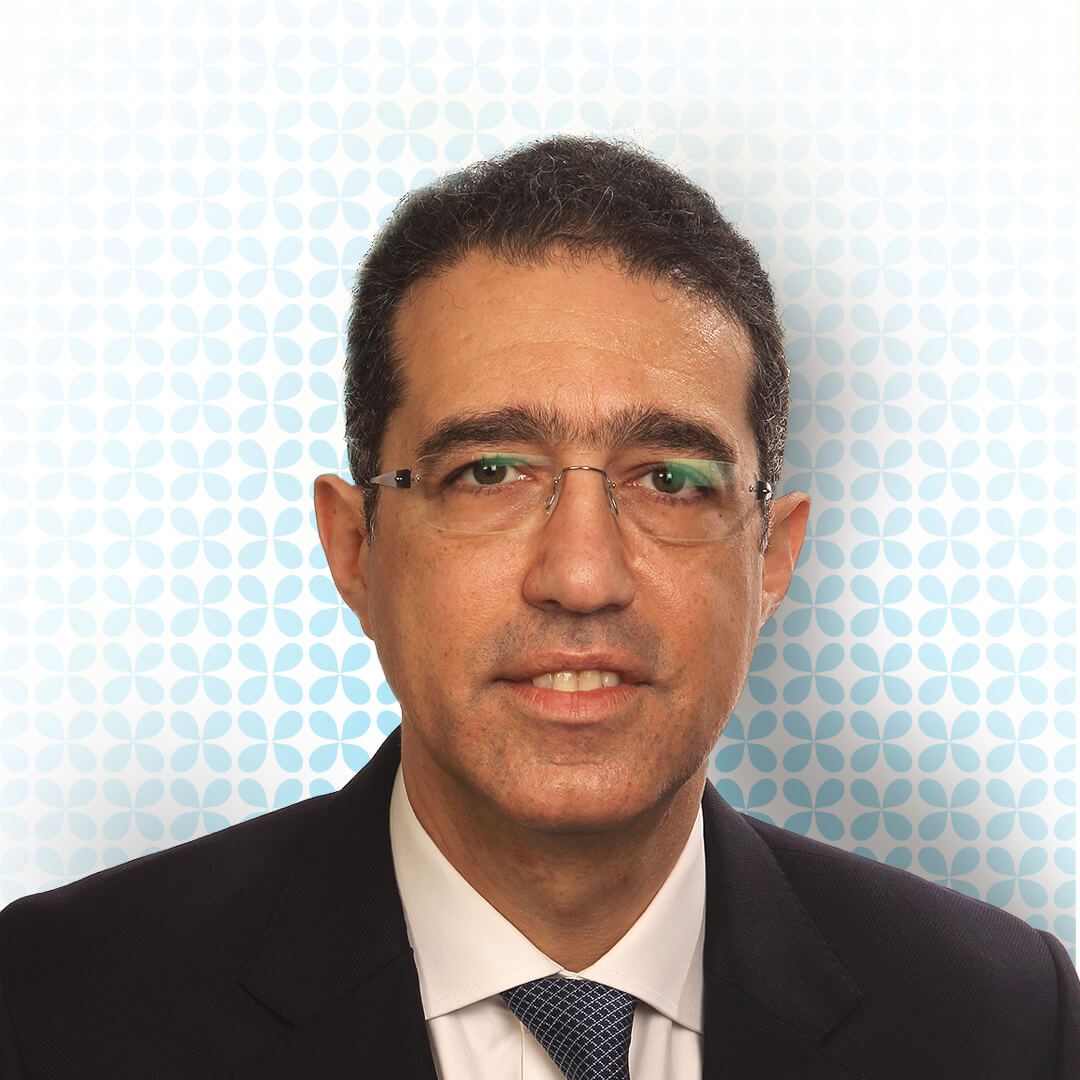
Dr. Ziad Bashshur
Visiting Consultant Ophthalmologist in Medical & Surgical Retina- Medical retina
- Surgical retina
- Vitreoretinal diseases and surgery
- Doctor of Medicine (MD) from the American University of Beirut, Lebanon
- Internal Medicine internship at Georgetown/VA Medical Center, USA
- Ophthalmology residency at the American University of Beirut, Lebanon
- Vitreoretinal Fellowship at the University of Virginia, USA
- Member of the American Society of Retina Specialists (ASRS)
- Member of the Retina Society
- Member of the Alpha Omega Alpha Honor Medical Society
- Tenured Professor and Vice-Chairman of Ophthalmology at the American University of Beirut
- Published more than 60 research papers on retinal diseases
- Research areas include macular degeneration, diabetic retinopathy, retinal vascular diseases and retinal imaging
- Regular speaker at professional ophthalmology meetings worldwide
- Serves on the review boards of several peer-reviewed ophthalmology journals
- Serves on several medical industry advisory boards
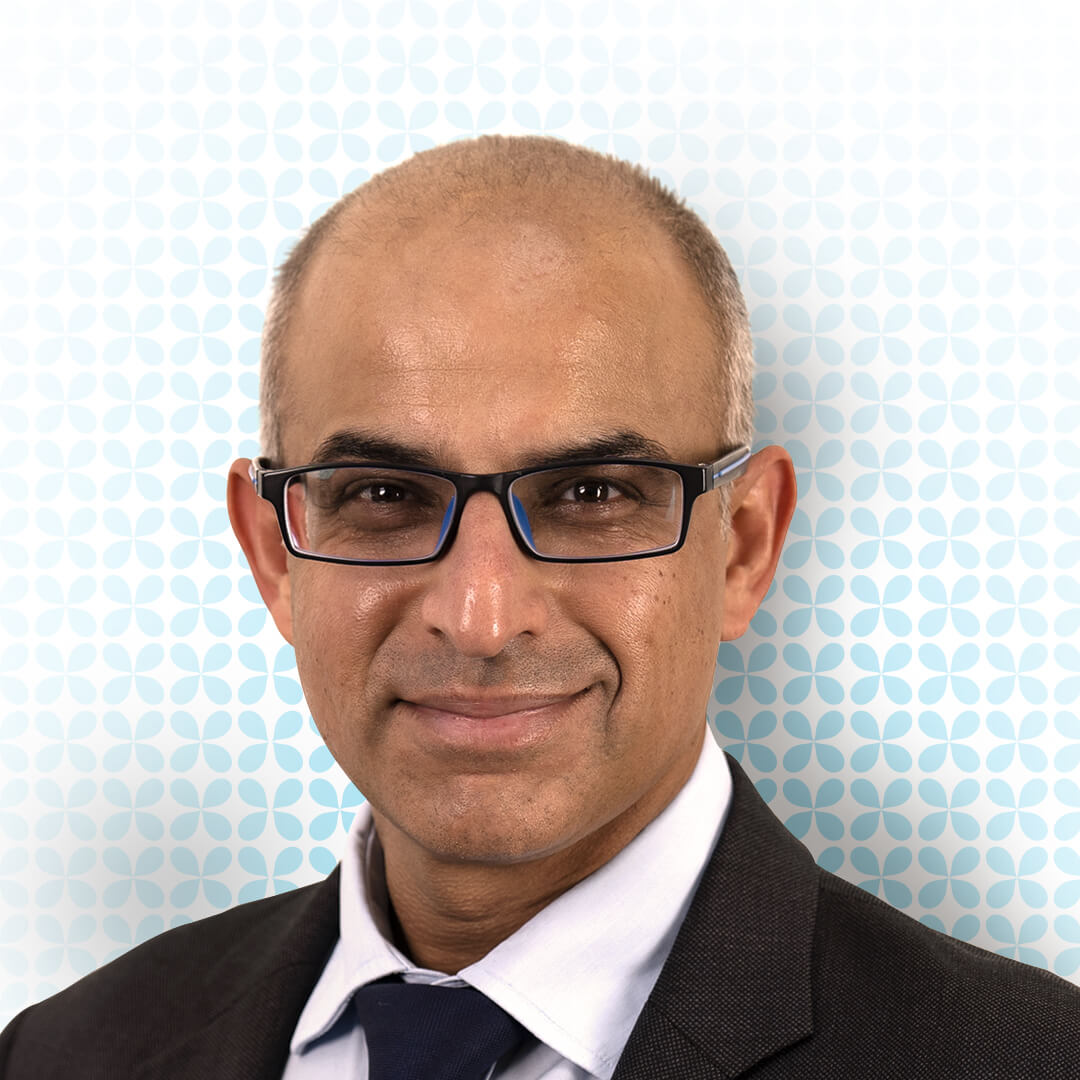
Dr. Avinash Gurbaxani
Visiting Consultant Ophthalmologist in Uveitis and Medical Retinal Diseases and Cataract Surgery- Uveitis and inflammatory eye diseases
- Complex inflammatory eye diseases requiring immunosuppressive treatment
- Diabetic retinal disease
- Age-related macular degeneration
- Retinal vascular diseases
- Medical retinal diseases
- Cataract surgery including premium intraocular lenses
- Complex cataract surgery associated with inflammatory and retinal eye diseases
- Bachelor of Medicine and Bachelor of Surgery, India
- Diploma in Ophthalmic Medicine and Surgery, India
- Fellowship of the Royal College of Surgeons of Edinburgh in Ophthalmology
- Ophthalmology training in Oxford and London, UK
- Medical Retina and Uveitis Fellowship at Moorfields Eye Hospital, London, UK
- Medical Retina and Uveitis Fellowship at Sydney Eye Hospital, Australia
- Royal College of Ophthalmologists (RCOphth)
- Royal College of Surgeons of Edinburgh (RCS Ed)
- American Academy of Ophthalmology (AAO)
- Experienced in initiating ophthalmology research projects
- Experience in conducting clinical trials
- Regularly publishes research papers.

Dr. Wajiha Kheir
Visiting Consultant Ophthalmologist in Medical Retina and Ocular Oncology- Medical retina
- Ocular oncology
- Age-related macular degeneration
- Radiation retinopathy
- Retinal degenerations
- Electrophysiology of vision
- Bachelor of Science in Biology with High Distinction from the American University of Beirut, Lebanon
- Recipient of the Penrose Award
- Doctor of Medicine (MD) from the American University of Beirut, Lebanon
- Internal Medicine internship at the American University of Beirut Medical Center, Lebanon
- Ophthalmology residency at the American University of Beirut Medical Center, Lebanon
- Fellowship in Medical Retina at Duke Eye Center, Duke University School of Medicine, USA
- Fellowship in Ocular Oncology with Clinical Pathology Concentration at Duke Eye Center, Duke University School of Medicine, USA
- Alpha Omega Alpha (AOA) Honor Medical Society
- American Academy of Ophthalmology (AAO)
- International Society of Ocular Oncology (ISOO)
- Assistant Professor of Ophthalmology at American University of Beirut
- Author of 18 peer-reviewed journal articles
- Author of 10 book chapters
- Research presented in more than 40 poster and paper presentations at regional and international conferences
- Research interests include age-related macular degeneration, Ocular oncology, radiation retinopathy, retinal degenerations and electrophysiology of vision
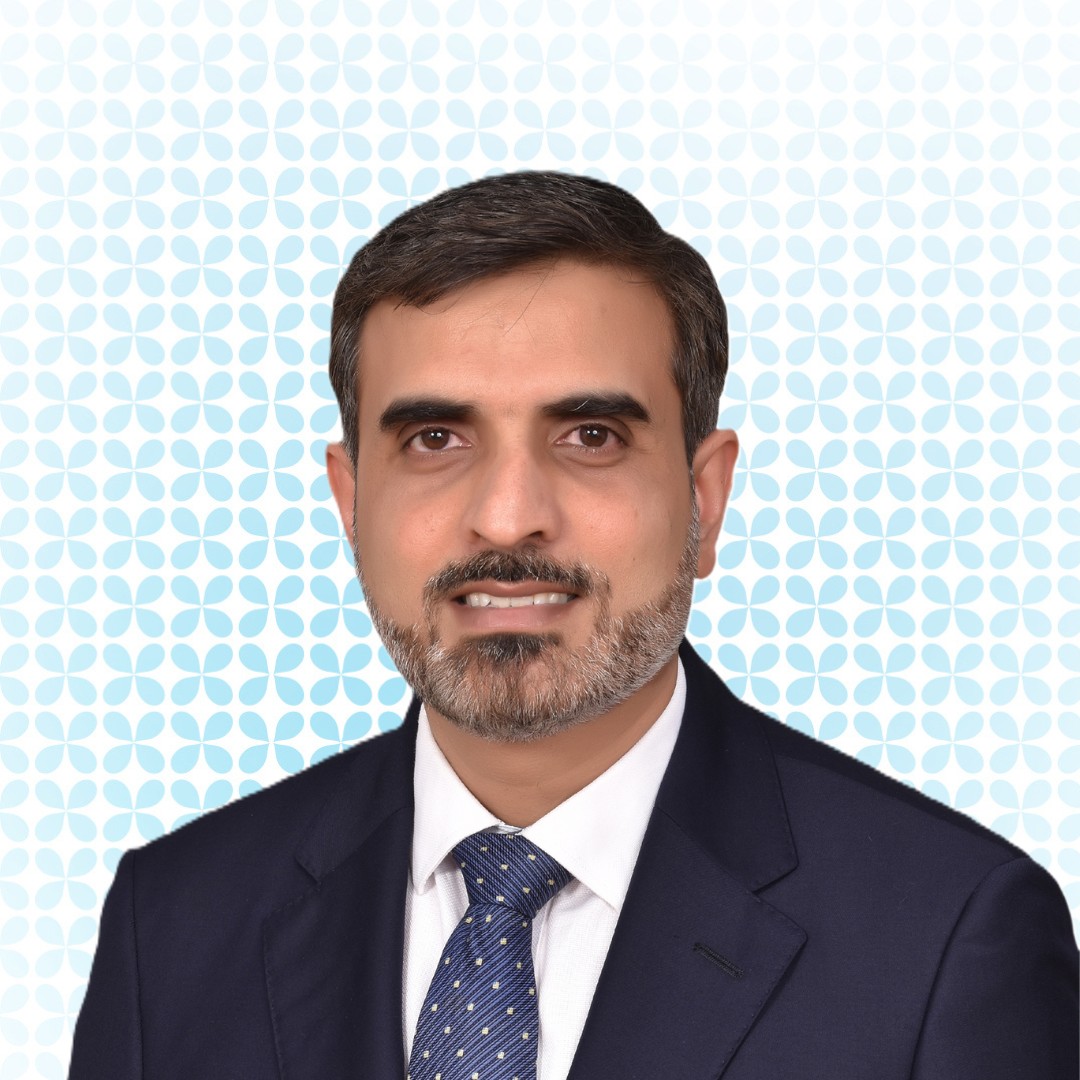
Dr. Muhammad Amjad
Visiting Consultant Ophthalmologist in Adult and Paediatric Retinal diseases and Cataract surgery- Adult and paediatric retinal diseases
- Retinal detachments
- Macular holes
- Age Related Macular Degeneration
- Retinal vascular diseases
- Epiretinal Membranes
- Vitreous Haemorrhage
- Uveitis
- Inherited retinal disorders (IRD)
- Retinopathy of Prematurity (ROP)
- Central Serous Chorioretinopathy (CSCR)
- Familial Exudative Vitreoretinopathy (FEVR)
- Adult and paediatric cataract surgery
- Bachelor of Medicine and Bachelor of Surgery (MBBS), University of Health Sciences, Lahore, Pakistan
- Certificate of Completion of Training (CCT), General Medical Council, UK
- Fellowship in Medical Retina, Uveitis & Oncology at Moorfields Eye Hospital London, UK
- Fellowship in Surgical Retina at Moorfields Eye Hospital London, UK
- Fellowship in Paediatric Retina at Great Ormond Street Hospital for Children, London, UK
- Fellow of the Royal College of Ophthalmologists (FRCOphth)
- British and Eire Association of Vitreoretinal Surgeons (BEAVRS)
- European Society of Retina Specialists (EURETINA)
- American Society of Retina Specialists (ASRS)
- American Academy of Ophthalmology (AAO)
- British & Irish Paediatric Ophthalmology & Strabismus Association (BIPOSA)
- Active involvement in retinal research
- Published peer-reviewed research on Retinopathy of Prematurity (ROP) and Familial Exudative Vitreoretinopathy (FEVR)
- Research published in international ophthalmology journals