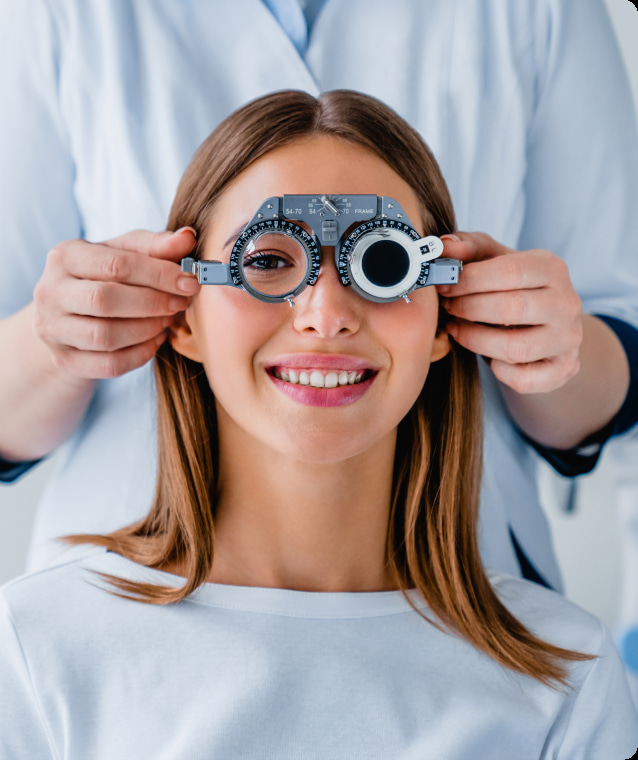
About eyelid, tear duct and eye socket injuries
Injuries around the eye can affect the eyelids, tear drainage system and the bones and tissues of the eye socket (orbit). Depending on the type and severity of the injury, they may affect vision, eye movement, eyelid function, tear drainage or the position of the eye.
Types of eye injuries we treat
Oculoplastic injuries may include:
- Cuts or lacerations to the eyelids and surrounding tissues
- Injuries affecting the eyelid margin or position
- Damage to the tear ducts
- Eye socket (orbital) fractures
- Injuries affecting the tissues or muscles within the eye socket
- Changes in the position or appearance of the eye following an injury

Causes of injuries around the eye
Injuries to the eyelids and eye socket can result from blunt or direct impact to the eye or surrounding facial area. Common causes include:
- Falls
- Sports injuries
- Road traffic accidents
- Workplace accidents
- Cuts or injuries from sharp objects
- Direct blows to the eye or face
An injury that appears to affect only the eyelid or surrounding skin can sometimes involve deeper structures, which is why appropriate assessment is important.
Symptoms of Injuries around the eye
Symptoms depend on the location and severity of the injury and may include:
- Swelling or bruising around the eye
- Cuts or wounds to the eyelid
- Pain or tenderness around the eye socket
- Double vision
- Difficulty moving the eye
- Changes in the position of the eye
- A sunken or hollow appearance of the eye
- Numbness around the cheek or upper lip
- Persistent watering following an injury
- Changes in vision
Treatments for eye injuries
Treatment depends on the structures affected and the injury’s severity. Some injuries can be managed without surgery, while others require specialist surgical repair.
Eyelid injury and laceration repair
Cuts involving the eyelid may require surgical repair, particularly when the eyelid margin, muscles or other important structures are affected. Depending on the injury, treatment may involve:
- Repair and careful alignment of the eyelid and eyelid margin
- Repair of deeper eyelid tissues or muscles
- Reconstruction of damaged supporting structures
- Reconstructive techniques where there has been significant tissue loss
The aim of surgery is to restore the normal position, movement and protective function of the eyelid while taking the appearance of the area into consideration
Tear duct injury repair
The tear drainage channels run through the inner part of the eyelids and can be damaged following cuts or facial injuries. If the tear drainage system is injured, specialist repair may be needed to restore the drainage pathway and reduce the risk of persistent watering.
Eye socket and orbital fracture treatment
An orbital fracture occurs when one or more bones forming the eye socket break after an injury. Many orbital fractures can be monitored while swelling settles and do not require surgery. Surgery may be considered if the fracture causes persistent double vision, restricts eye movement, affects the eye’s position, or traps tissue within the fracture.
Where surgery is required, the eye socket may be reconstructed using an implant to restore support to the orbit. The surgical approach will depend on the location and extent of the fracture.
Specialist care for eye injuries
At Moorfields Eye Hospitals UAE, our oculoplastic surgeons in Dubai and Abu Dhabi specialise in treating a wide range of eye and surrounding tissue injuries, using advanced surgical and reconstructive techniques to restore function, protect the eye and achieve the best possible outcome.
Trauma Specialists
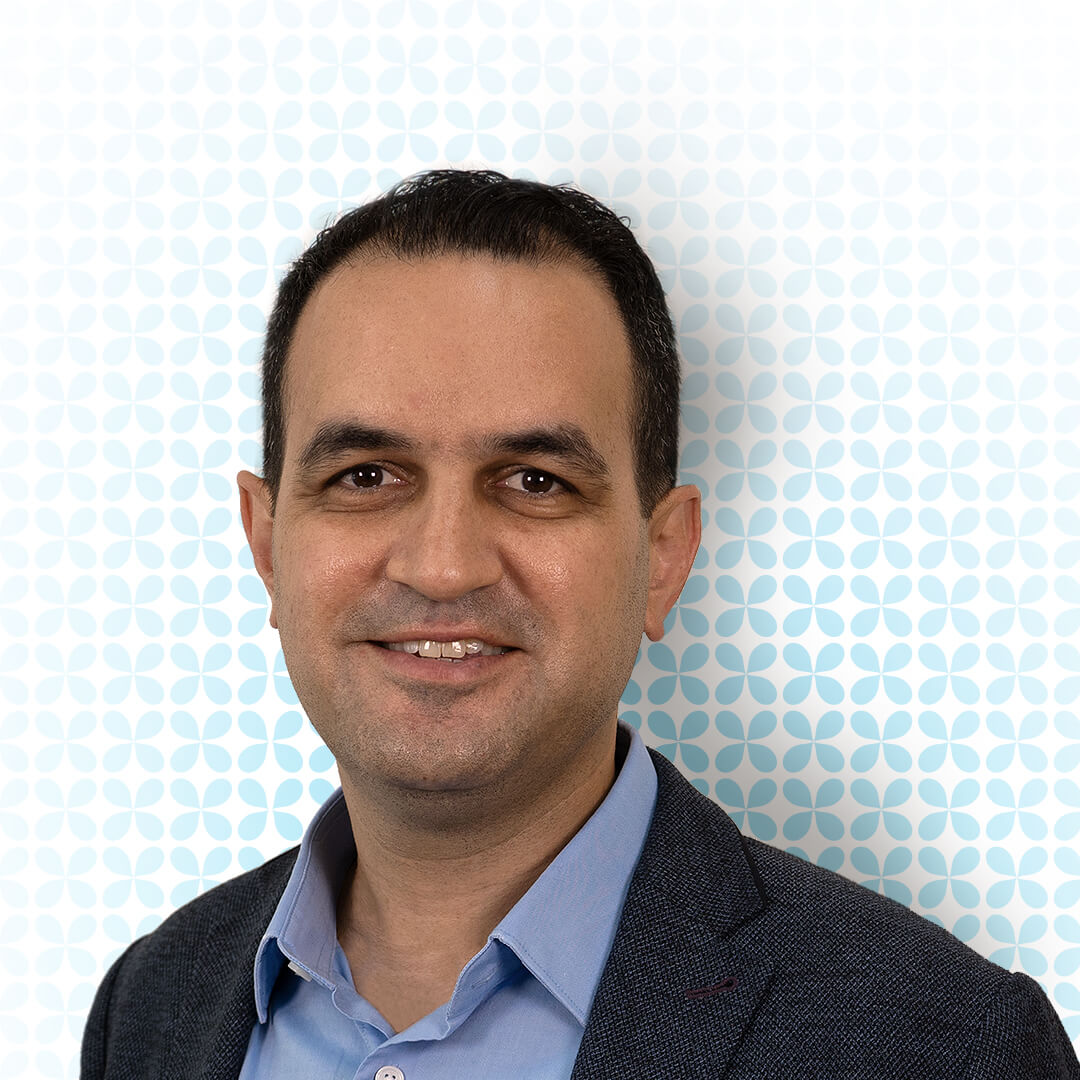
Dr. Qasiem Nasser
Visiting Consultant Ophthalmologist in Oculoplastic Surgery
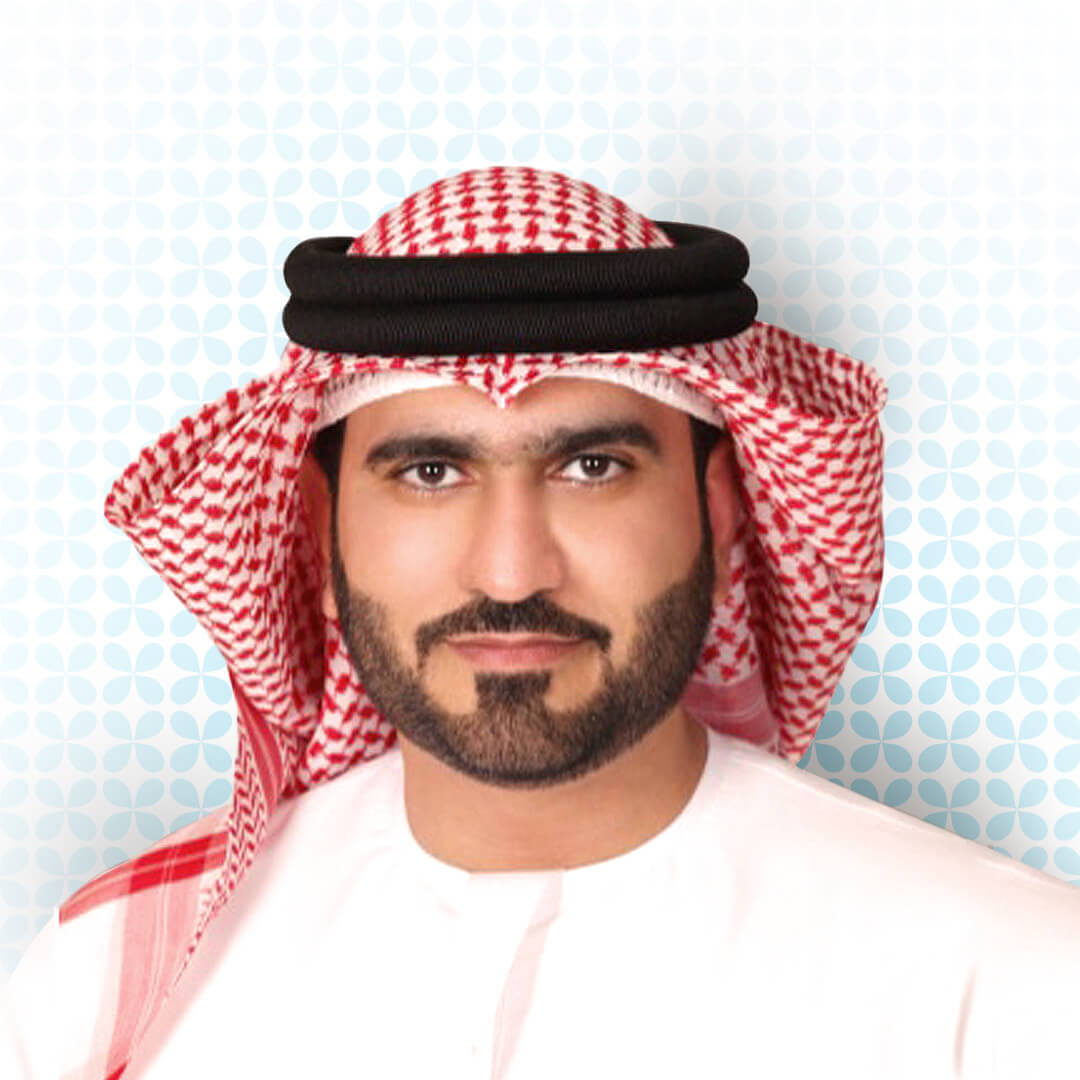
Dr. Khalid Alkhayat
Visiting Consultant Ophthalmologist in Oculoplastic Surgery- Oculoplastic surgery
- Bachelor of Medicine and Bachelor of Surgery (MBBS)
- German Board-Certified Ophthalmologist (Facharzt)
- Fellow of the European Board of Ophthalmology (FEBO)
- Member of the Emirates Society of Ophthalmology (ESO)
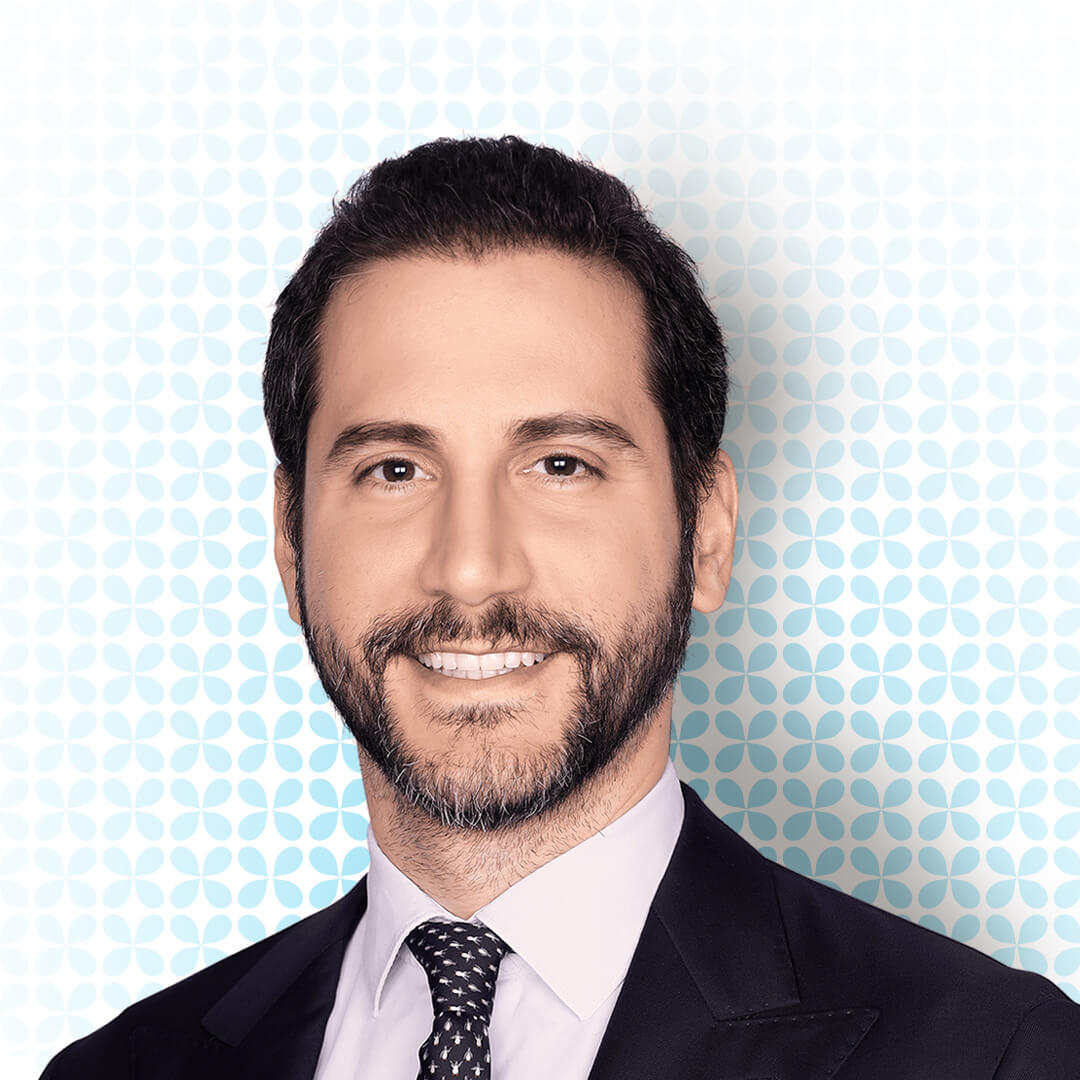
Dr. Rafic Antonios
Visiting Specialist Oculoplastic Surgeon- Ophthalmic plastic and reconstructive surgery
- Cosmetic periocular procedures
- Eyelid surgery, including blepharoplasty
- Orbital conditions and surgery
- Lacrimal and tear drainage system conditions and surgery
- Bachelor of Science with Distinction from the American University of Beirut, Lebanon
- Medical degree from the American University of Beirut, Lebanon
- Ophthalmology residency at the American University of Beirut Medical Center
- Fellowship in Oculoplastic and Reconstructive Surgery at the University of Montreal, Canada
- Fellowship in Craniomaxillofacial Trauma at the University of Montreal, Canada
- Member of the Alpha Omega Alpha (AOA) Honor Medical Society
- Member of the Lebanese Ophthalmological Society (LOS)
- Author of 28 publications in peer-reviewed journals
- Presented posters and research at national and international conferences