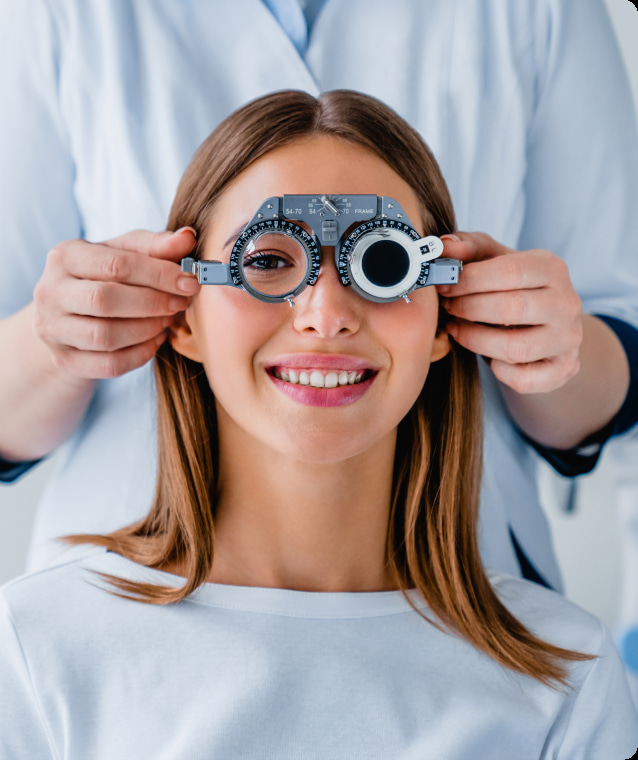
What is cosmetic upper eyelid Blepharoplasty?
Cosmetic upper blepharoplasty, also known as cosmetic eyelid surgery, enhances the appearance of the upper eyelids by removing excess skin, muscle, and, in some cases, fat. This surgery helps create a more youthful and refreshed look by addressing issues such as droopy eyelids, puffiness, and subtle asymmetry.
The procedure is customised to meet each patient’s unique needs and aesthetic goals, ensuring every individual achieves natural and optimal results.


Choosing a qualified practitioner: Why an Ophthalmologist matters
Choosing a surgeon with specialised training in both ophthalmology and aesthetics ensures exceptional cosmetic results and prioritises the health and safety of your eyes. With a deep understanding of eye anatomy, our Oculoplastic Surgeons at Moorfields Eye Hospitals are uniquely equipped to perform eyelid surgery with precision and care, minimising risks and enhancing appearance.
Looking for more information?
Explore our frequently asked questions for additional information about your condition, care and treatment.
Most individuals in their 40s or older are considered ideal candidates for the procedure, as they often experience visible signs of ageing around the eyelids. However, younger individuals with hereditary eyelid concerns can also benefit significantly from the treatment. The best candidates typically enjoy good overall health, have well-defined and realistic expectations, and aspire to enhance their appearance while ensuring a natural, youthful look that complements their facial features.
How is the surgery performed?
The procedure involves making a small incision in the natural crease of the upper eyelid, which allows for the removal of excess skin, muscle, and fat. The placement of the incision in the crease helps to minimise visible scarring.
Upper eyelid surgery is typically performed under local anaesthesia or local anaesthesia with sedation, ensuring the patient remains comfortable throughout the procedure. This choice of anaesthesia also allows for a quicker recovery and fewer side effects than general anaesthesia.
What are the risks of the surgery?
When performed by a highly skilled surgeon, cosmetic upper blepharoplasty is a safe and effective procedure. However, all surgeries carry some risks, including:
- Temporary bruising
- Swelling
- Dry eyes
- Less common risks: asymmetry, infection, or difficulty closing the eyes during early recovery.
Following the surgeon’s post-surgery care instructions minimises risks and ensures a smooth recovery.
Will I be able to see after the surgery?
After the surgery, patients can immediately. However, vision may be temporarily blurry due to swelling or protective ointments applied to the eyes. This typically resolves within a few days. Your vision will not be permanently affected, and your improved eyelid appearance will become more apparent as the swelling subsides.
What is the recovery process?
Recovery from cosmetic upper blepharoplasty is usually straightforward. You may experience mild swelling, bruising, and discomfort
- Mild swelling, bruising, and discomfort may occur around the eyes for the first few days.
- Stitches are usually removed after 5-7 days.
- Most patients return to work within 7-10 days.
- No strenuous activities for about two weeks to ensure proper healing.
Will there be any visible scars after the procedure?
The incision is strategically placed within the natural crease of the eyelid, ensuring minimal and discreet scars. With proper aftercare, including scar-reducing treatments, the scar will fade over time, blending seamlessly into the skin’s natural folds.
Are the results long-lasting?
The results of upper blepharoplasty are designed to last for many years. While the procedure removes excess tissue permanently, the natural ageing process continues. Over time, some loss of skin elasticity may occur, but the refreshed appearance achieved through surgery will remain a noticeable improvement.
What post-surgery support and follow-up care is provided?
Following your surgery, our dedicated medical team will provide comprehensive aftercare instructions tailored to each patient’s specific procedures, ensuring a smooth recovery. We will schedule follow-up appointments to closely monitor your healing progress and address any questions or concerns that may arise. Our team is fully committed to supporting you every step of the way, providing guidance and encouragement to help you achieve the best possible outcomes for your health and well-being.
Upper blepharoplasty offers a transformative enhancement, creating a brighter, more youthful appearance. Patients can look forward to:
- A refreshed, open look that conveys energy and vitality.
- Smoother, lighter eyelids free from excess heaviness.
- A reduction in puffiness and drooping.
Timeline of Results:
- Immediately: Noticeable initial improvements.
- 2-3 Weeks: Swelling diminishes, revealing enhanced contours.
- 2-3 Months: Full results become evident, showcasing the procedure’s refined outcome.
Cosmetic Upper Eyelid Blepharoplasty Specialists

Dr. Alia Issa
Aesthetic Oculoplastic Surgeon- Upper blepharoplasty (eyelid lift)
- Lower blepharoplasty (removal of lower eyelid bags)
- Brow lift, including hairline lift and direct brow lift
- Midface lift
- Management of festoons and malar oedema
- Management of lesions around the eyes
- Botox for medical and cosmetic purposes
- Dermal fillers around the eye area
- Filler dissolving
- Management of dry eye and blepharitis
- German Board-Certified Ophthalmologist
- Medical degree and Ophthalmology residency training completed in Germany
- PhD in Ophthalmology from the University of Dresden, Germany
- Fellowship training in Aesthetic Oculoplastics at the Ezra Clinic, London, UK
- Honorary Fellowship in Oculoplastics at Moorfields Eye Hospital London, UK
- Member of the German Ophthalmic Society

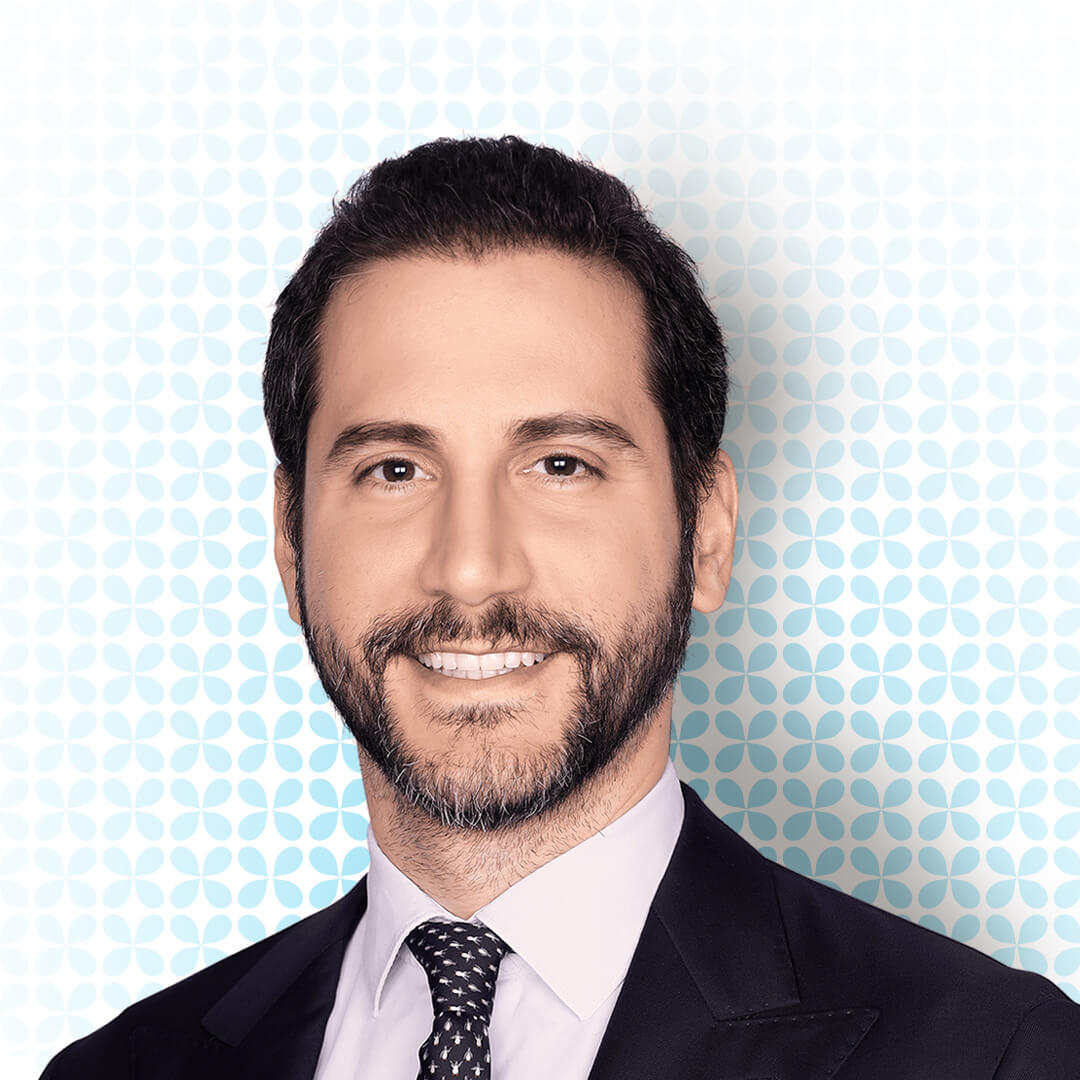
Dr. Rafic Antonios
Visiting Specialist Oculoplastic Surgeon- Ophthalmic plastic and reconstructive surgery
- Cosmetic periocular procedures
- Eyelid surgery, including blepharoplasty
- Orbital conditions and surgery
- Lacrimal and tear drainage system conditions and surgery
- Bachelor of Science with Distinction from the American University of Beirut, Lebanon
- Medical degree from the American University of Beirut, Lebanon
- Ophthalmology residency at the American University of Beirut Medical Center
- Fellowship in Oculoplastic and Reconstructive Surgery at the University of Montreal, Canada
- Fellowship in Craniomaxillofacial Trauma at the University of Montreal, Canada
- Member of the Alpha Omega Alpha (AOA) Honor Medical Society
- Member of the Lebanese Ophthalmological Society (LOS)
- Author of 28 publications in peer-reviewed journals
- Presented posters and research at national and international conferences
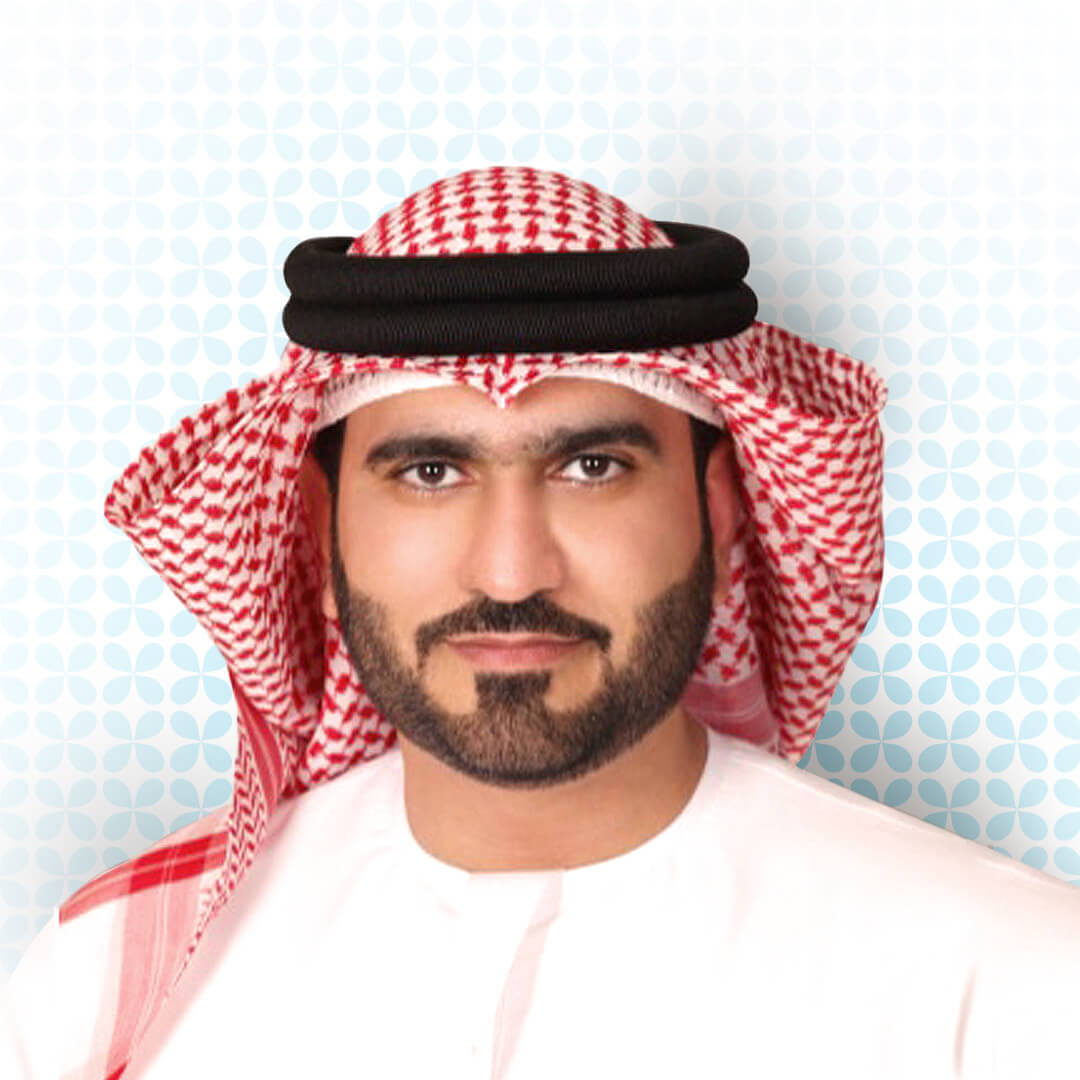
Dr. Khalid Alkhayat
Visiting Consultant Ophthalmologist in Oculoplastic Surgery- Oculoplastic surgery
- Bachelor of Medicine and Bachelor of Surgery (MBBS)
- German Board-Certified Ophthalmologist (Facharzt)
- Fellow of the European Board of Ophthalmology (FEBO)
- Member of the Emirates Society of Ophthalmology (ESO)
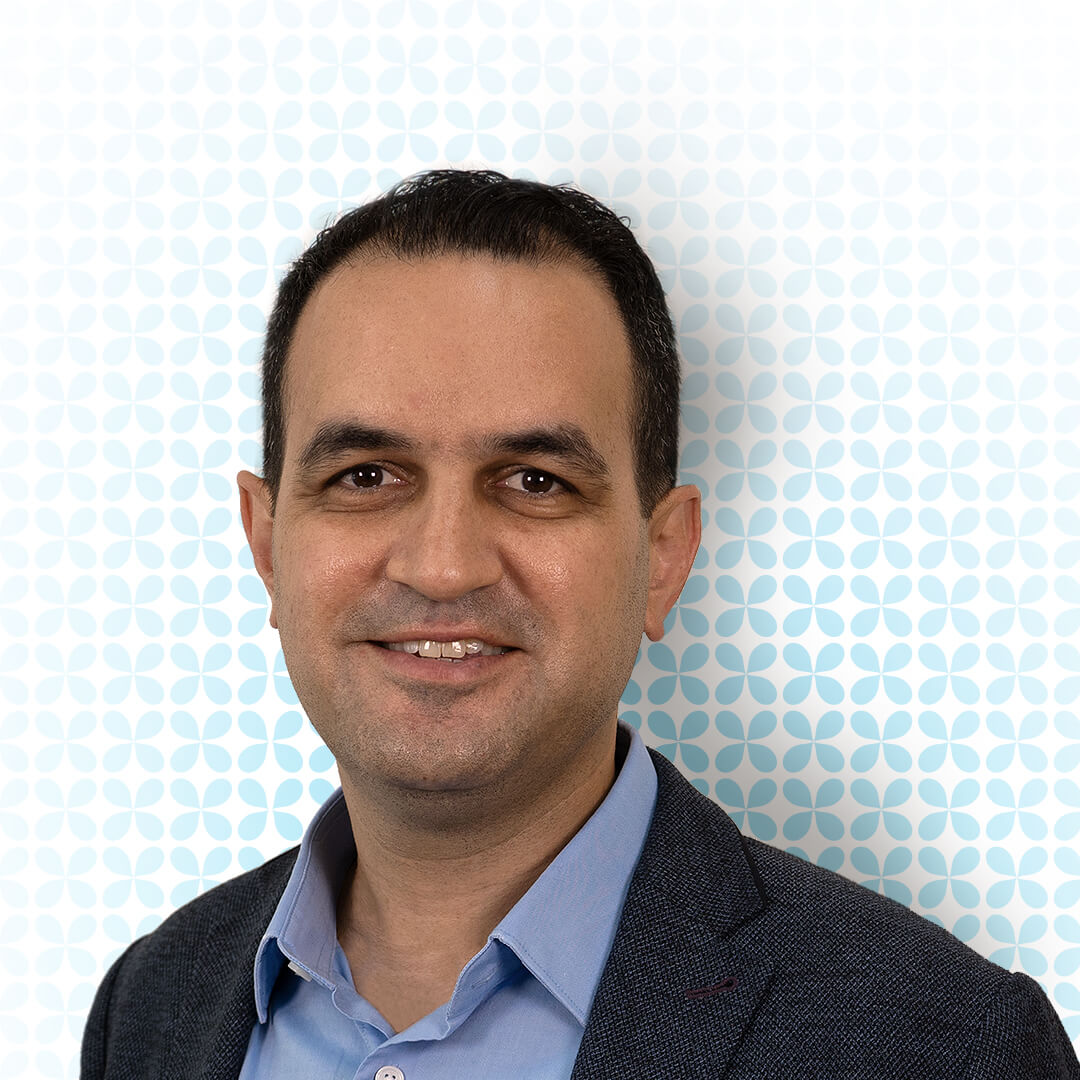
Dr. Qasiem Nasser
Visiting Consultant Ophthalmologist in Oculoplastic Surgery
FAQ
There is no specific age at which upper blepharoplasty is recommended, as suitability depends on the condition and function of the upper eyelids, any impact on vision, as well as your eye health and general health. The procedure is more commonly considered from the forties onwards, when excess skin or heaviness of the upper eyelids may become more noticeable, although younger adults with hereditary eyelid concerns may also be suitable. An assessment with an oculoplastic surgeon will determine whether upper blepharoplasty is appropriate for you and what can realistically be achieved.
Recovery after upper blepharoplasty varies between patients, although swelling, bruising and mild discomfort are common during the first few days. Stitches are typically removed around five to seven days after surgery, and many patients are able to return to work and usual social activities within one to two weeks, depending on how the eyelids are healing. The Oculoplastic surgeon will provide aftercare instructions, monitor your recovery and advise when it is appropriate to resume normal activities.
Upper blepharoplasty can leave a fine surgical scar, typically placed within the natural crease of the upper eyelid to make it less noticeable as it heals. The scar usually fades over time, although the final appearance varies by patient. The Oculoplastic surgeon will monitor the incision during follow-up and provide advice on wound care and scar management as the eyelid heals.
Upper blepharoplasty aims to provide long-lasting improvement in the appearance of the upper eyelids, with results often maintained for many years, although the eyelids will continue to change gradually as part of the natural ageing process.
The longevity of the result varies between patients and is influenced by factors such as skin quality, eyelid anatomy, the ageing process and lifestyle, all of which can affect how the upper eyelids change over time.
After upper blepharoplasty, you may notice improvement once the initial swelling starts to settle, although your eyelids will continue to change as healing progresses. Most swelling and bruising improve over the first few weeks, while the eyelid contour, incision line and surrounding tissues continue to settle and refine over the following months. The Oculoplastic surgeon will monitor your recovery at follow-up appointments and advise when the result of your upper blepharoplasty is expected to stabilise based on how your eyelids are healing.
The cost of upper blepharoplasty depends on whether one or both upper eyelids are being treated and the surgical approach recommended. During your consultation, the oculoplastic surgeon will assess your eyelids and recommend the most appropriate treatment plan, after which our team can provide clear information on the expected cost. If the procedure is performed for cosmetic reasons, it is generally considered elective and is usually not covered by insurance. Where there is a functional indication, coverage will depend on your individual policy and any approval requirements set by your insurer.
Our hospitals in Dubai and Abu Dhabi have experienced oculoplastic surgeons with specialist expertise in upper blepharoplasty. Their training in eyelid surgery and eye health allows them to assess the eyelids comprehensively, considering anatomy, function, appearance, and factors that may affect the safety or outcome of surgery. This specialist approach means upper blepharoplasty is planned around both the cosmetic result and the health and function of the eyes, with treatment tailored to each patient’s needs.
Our branches in Dubai and Abu Dhabi work with a wide range of insurance providers and coverage for upper blepharoplasty depends on whether the procedure is for functional or cosmetic reasons, as well as your policy terms and any approval requirements set by your insurer. You can confirm your cover directly with your insurance provider or contact us before your appointment. The full list of accepted insurance providers is available at: https://moorfields.ae/insurance-provider/
Our specialist eye hospitals in Dubai and Abu Dhabi deliver care through established clinical governance, audit, and patient safety processes, with protocols aligned with those followed by Moorfields Eye Hospital London and supported by JCI and ACHSI accreditation. For blepharoplasty, this means your diagnosis, surgery, and follow-up are carried out to carefully governed clinical standards, so your care is both safe and effective. We regularly measure our clinical outcomes to give patients clear information about the standard of care delivered. Learn more about our satisfaction rates and outcomes: https://moorfields.ae/our-satisfaction-rates/