

ِAbout Refractive Lens Exchange
Refractive Lens Exchange (RLE), also known as lens replacement surgery, is a vision-correction procedure in which the eye’s natural lens is replaced with an artificial intraocular lens (IOL). It is especially effective for individuals with severe refractive errors or age-related vision changes, such as presbyopia, and may be recommended when laser eye surgery is not suitable.
By replacing the natural lens, the procedure can improve both near and distance vision, often reducing or removing the need for glasses or contact lenses, and it prevents the need for future cataract surgery since the artificial lens cannot develop cataracts.

Vision problems treated by Lens Replacement Surgery
- Presbyopia: Difficulty focusing on close objects due to natural ageing of the eye’s lens.
- Significant Hypermetropia (Farsightedness): A condition where distant objects are easier to see than close ones because the eye focuses light behind the retina instead of directly on it.
- High Myopia (Nearsightedness): A condition where distant objects are harder to see than close ones because the eye focuses light in front of the retina instead of directly on it.
- Astigmatism: Blurred or distorted vision caused by an irregular curvature of the cornea or lens. It may be corrected during lens replacement surgery using a toric intraocular lens, where suitable.
Who is a suitable candidate for Lens Replacement Surgery?
You may be a suitable candidate for lens replacement surgery if:
- You are not eligible for laser eye surgery because of thin corneas, a high prescription, or other eye health issues.
- You want to reduce or eliminate dependence on glasses or contact lenses.
- You want a long-term solution that also helps prevent cataracts.
- You are over 40 and experiencing presbyopia or have a significant refractive error.
Types of Intraocular Lenses (IOLs)
There are various lens options to match each individual’s needs:
- Monofocal Lenses: Provide clear vision at a single distance (near, intermediate, or far). These lenses are ideal for individuals who prefer sharp distance vision and are comfortable using reading glasses.
- Multifocal Lenses: Designed to offer clear vision at multiple distances. They are especially beneficial for individuals with presbyopia, helping to reduce or eliminate the need for glasses altogether.
- Extended Depth of Focus (EDoF) Lenses: Designed to provide an extended range of vision, typically offering good distance and intermediate vision with some functional near vision.
- Toric Lenses: Designed to correct astigmatism, providing sharper vision and reducing dependence on glasses for patients with astigmatism.
At Moorfields Eye Hospitals UAE, our experienced vision correction specialists in Dubai and Abu Dhabi will carry out a comprehensive eye examination to determine your eligibility. They will assess your vision needs, eye health, and lifestyle goals to recommend the most appropriate treatment option.
Looking for more information?
Explore our frequently asked questions for additional information about your condition, care and treatment.
Refractive Lens Exchange (Lens Replacement Surgery) Specialists
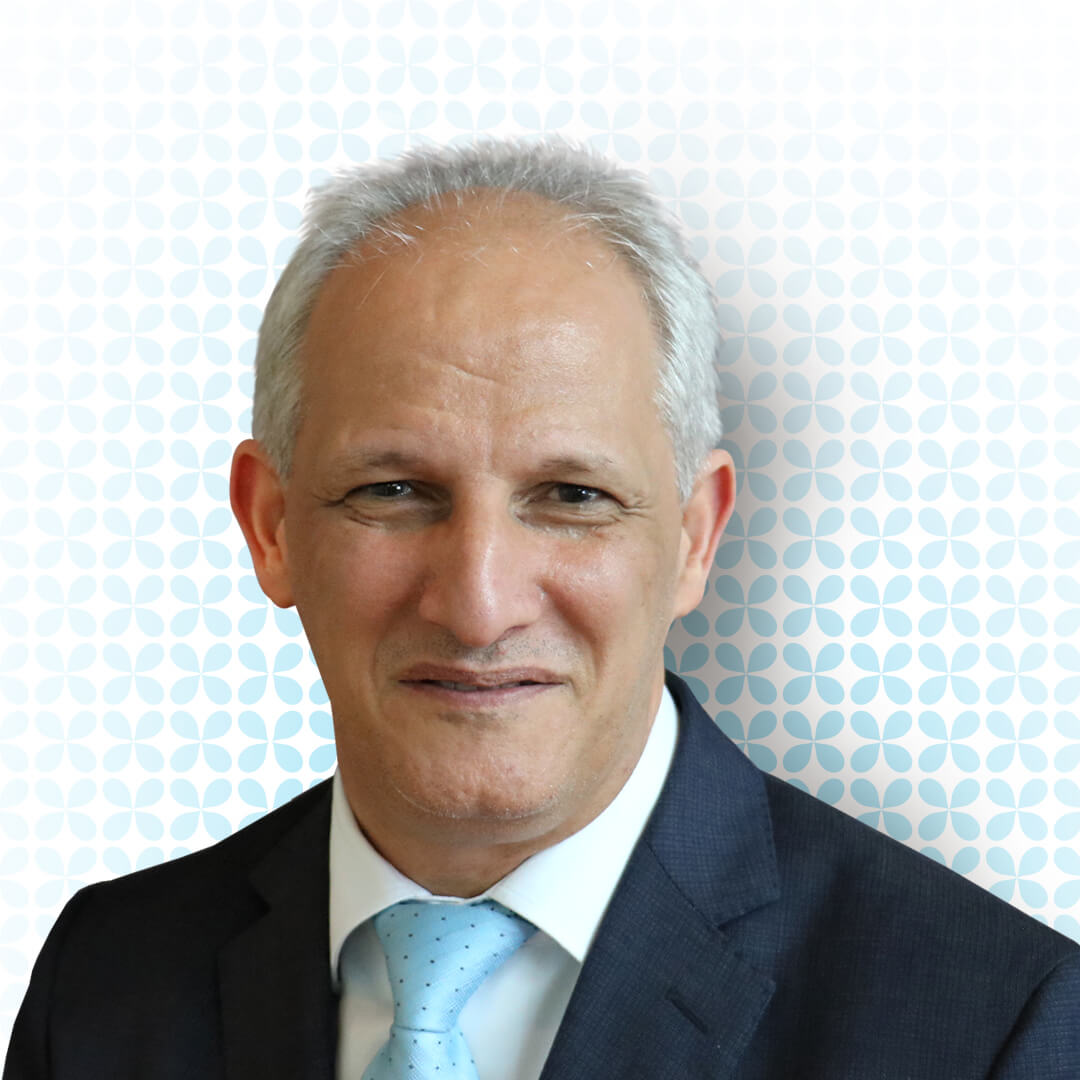
Dr. Osama Giledi
Consultant Ophthalmologist in Cataract, Cornea and Refractive Vision Correction SurgeryChief of Cornea and Refractive surgery
GCAA Approved Specialist Aeromedical Examiner
Associate Professor Of Ophthalmology (Adjunct)
- Advanced phacoemulsification cataract surgery
- Premium intraocular lenses, including toric, multifocal and extended-depth-of-focus (EDOF) lenses
- Full-thickness and partial-thickness corneal transplantation
- SALK, DALK and DSAEK procedures
- Management of complex corneal disorders
- Advanced surgical and non-surgical corneal therapeutics
- SMILE
- Femto-LASIK
- PRK and TransPRK
- Phakic intraocular lenses, including ICL
- Corneal cross-linking
- Intracorneal ring segments
- Complex laser treatments
- Corneal transplantation
- Severe dry eye disease
- Meibomian gland dysfunction (MGD)
- Pterygium
- Limbal stem cell deficiency
- Ocular surface reconstruction
- Amniotic membrane grafting
- Pterygium excision with conjunctival autograft and fibrin glue techniques
- MBBCh, Medical Degree, Libya
- Specialist Ophthalmology Training, United Kingdom
- FRCSEd (Ophthalmology), Royal College of Surgeons of Edinburgh, UK
- Certification in Refractive Surgery, Royal College of Ophthalmologists, London, UK
- Six-month Clinical Fellowship in Cornea and External Eye Disease, Royal Victoria Infirmary, Newcastle, UK
- Two-year Higher Subspecialty Fellowship in Anterior Segment, Cornea and Refractive Surgery, Corneoplastic Unit and Eye Bank, Queen Victoria Hospital, East Grinstead, UK
- Royal College of Surgeons of Edinburgh, UK
- United Kingdom & Ireland Society of Cataract and Refractive Surgeons ( UKISCRS)
- European Society of Cataract and Refractive Surgeons (ESCRS)
- American Society of Cataract and Refractive Surgeons (ASCRS)
- Emirates Ophthalmology Society (ESO)
- Member, UAE National Organ and Tissue Program Corneal Transplant Committee
- Associate Professor of Ophthalmology (Adjunct) at Mohammed Bin Rashid University of Medicine and Health Sciences (MBRU)
- Extensive experience in ophthalmic teaching and surgical trainingin
- Presenter at national and international ophthalmology meetings
- Author of research published in peer-reviewed scientific journals


Dr. Miguel Morcillo
Consultant Ophthalmologist in Cornea, Cataract and Refractive vision correction surgery- Corneal diseases
- Cataract surgery
- Laser Vision correction surgery: LASIK, LASEK, TransPRK and SMILE
- Implantable Collamer Lenses (ICLs)
- Multifocal intraocular lenses (IOLs)
- Keratoconus surgery
- Degree in Medicine from the Universitat de Valencia, Spain
- Ophthalmology Residency completed through the MIR (Médico Interno Residente) programme of the Spanish Ministry of Health
- Advanced training in corneal surgery at NIIOS Eye Institute, Rotterdam, the Netherlands
- Member of Sociedad Española de Oftalmología (SEO)
- Member of the Pan-American Association of Ophthalmology (PAAO)
- Member of the European Vitreoretinal Society (EVRS)
- Member of Surgical Eye Expeditions International (SEE International)
- Research in surgical techniques and outcomes, including Ultrathin LASIK, keratoconus screening, ICLs and multifocal IOLs
- Presented research at national and international congresses and in scientific journals
- Organised educational courses on refractive surgery for ophthalmology peers and opticians
- Experienced educator of surgeons in anterior segment and refractive surgery
- Contributed to the development and implementation of refractive treatments including LASIK, LASEK, ICLs and multifocal IOLs

Dr. Hamed Abbasi
Specialist Ophthalmologist in Cornea and Refractive surgeryAreas of Expertise
- Refractive surgery, including PRK, TransPRK, FemtoLASIK and FemtoSMILE
- Implantable Collamer Lenses (ICL)
- Cataract surgery, including multifocal intraocular lenses (IOLs)
- Corneal transplantation, including PKP, DALK, DSAEK and DMEK
- Keratoconus management
- Pterygium surgery
- Dry eye management
- Upper and lower eyelid blepharoplasty
Qualifications
- Doctor of Medicine (MD)
- Board of Ophthalmology Speciality, Shahid Beheshti University of Medical Sciences, Tehran, Iran
- Fellowship in Cornea and Refractive Surgery, Shahid Beheshti University of Medical Sciences, Tehran, Iran
Professional Affiliations
- Member of the Emirates Society of Ophthalmology
Research & Academic Work
- Published research in the field of cornea in peer-reviewed journals, including the American Journal of Ophthalmology and Eye, the journal of the Royal College of Ophthalmologists
- Serves as a peer reviewer for medical journals, including the American Journal of Ophthalmology and Medicine
- Regularly participates as a speaker and instructor at scientific congresses organised by the Emirates Society of Ophthalmology

Dr. Esmaeil Arbabi
Medical Director and Consultant Ophthalmologist in Corneal transplant, Cataract & Refractive Surgery
FAQ
Refractive Lens Exchange, also known as lens replacement surgery, may be considered for patients who are not suitable for laser vision correction, particularly those with a high prescription, age-related near vision changes such as presbyopia, or other factors that make laser treatment less appropriate.
Rather than reshaping the cornea, the procedure replaces the eye’s natural lens with an artificial intraocular lens selected based on the patient’s measurements and visual needs. This makes it a different type of vision correction procedure, and suitability depends on more than just the glasses prescription.
At Moorfields Eye Hospitals UAE, patients undergo a comprehensive assessment in Dubai or Abu Dhabi, where the specialist reviews eye health, prescription, age, lifestyle needs, and long-term vision goals before recommending whether RLE, laser vision correction, or another option is most appropriate.
Lens replacement surgery can reduce dependence on glasses or contact lenses, although it does not guarantee complete independence for every patient or every activity. The outcome depends on the type of intraocular lens selected, the health of the eye, the prescription being corrected and the patient’s day-to-day visual needs.
For example, monofocal lenses are usually selected to provide clearer vision at one main distance, so glasses may still be needed for reading, close work, or other specific tasks. Multifocal or extended-depth lenses may reduce the need for glasses across a wider range of distances, but they may not be suitable for every eye or every lifestyle.
This is why the consultation includes a detailed discussion about how the patient uses their vision, including reading, screen work, driving and night-time activities, before a lens option is recommended.
The lens implant is selected after a detailed assessment of the eye and a discussion about the patient’s lifestyle, visual priorities and expectations. The specialist will consider whether the patient wants to prioritise distance, near, or intermediate vision; reduce dependence on glasses; or achieve a balance across different distances.
The assessment may include eye measurements, a review of the cornea and retina, an evaluation of astigmatism, and checks for any eye conditions that could affect the results.
There is no single lens that is right for every patient, and the aim is to select a lens that suits the eye’s clinical condition and the patient’s daily life, while clearly explaining what the lens can and cannot achieve.
The surgery is intended as a long-term vision correction solution, and the artificial lens is designed to remain in the eye permanently and because the natural lens has been replaced, a cataract cannot form in that lens later in life.
In some patients, vision may become cloudy or hazy months or years after surgery because the thin membrane that supports the lens implant becomes cloudy. This is known as posterior capsular opacification and is sometimes referred to as a secondary cataract, although it is not a true cataract and does not mean the lens implant has failed. If it occurs, it can usually be treated with a short laser procedure.
During the consultation, the specialist will explain the long-term considerations of RLE and confirm whether it is the right option for your eyes.
The cost of surgery depends on the type of intraocular lens selected and the patient’s specific treatment needs. Lenses designed to correct a wider range of vision or address astigmatism may differ in cost from standard lens options.
For this reason, the cost is usually confirmed after the assessment rather than given as a single fixed figure. The consultation allows the specialist to determine whether RLE is suitable, which lens option is most appropriate and what is included in the recommended treatment plan.
It is usually performed as an elective vision correction procedure and is typically self-funded, although insurance coverage can vary. To receive an accurate cost for your treatment, you can arrange a consultation with the refractive team at Moorfields Eye Hospitals UAE.
At Moorfields Eye Hospitals UAE, patients are assessed by ophthalmologists with specialist expertise in lens-based and refractive vision correction, with detailed measurements and eye health checks carried out before treatment is recommended.
Care follows the clinical pathways and governance standards of Moorfields Eye Hospital London, supported by Moorfields Eye Hospitals UAE’s dual accreditation by JCI and ACHSI, which reflects a hospital-wide quality framework for specialist eye care.
Moorfields UAE audits clinical outcomes across vision correction procedures on an ongoing basis, measuring success and satisfaction rates against recognised benchmarks as part of our commitment to clinical transparency and quality. To see our latest success and satisfaction rates in full, visit www.moorfields.ae/our-satisfaction-rates/