About
Presbyopia is a condition which makes it difficult to focus on close objects. With age, by the mid-forties, people experience blurred vision at close range, such as when reading, sewing or working on a computer.
Presbyopia is not a disease, as it is a result of the natural ageing process of the eye, and it cannot be prevented.

Symptoms of Presbyopia
Presbyopia develops gradually, with symptoms typically becoming noticeable in the early to mid-40s. Common symptoms include:
- Blurred vision when reading or focusing on nearby objects
- Difficulty reading small print, particularly in low-light conditions
- Needing to hold books, mobile phones or other reading materials further away to see clearly
- Eye strain or headaches after prolonged reading or other close-up activities
Causes of Presbyopia
Presbyopia occurs as part of the eye’s natural ageing process. Over time, the eye’s natural lens gradually becomes less flexible, reducing its ability to change shape and focus on nearby objects. As a result, everyday activities such as reading or using a mobile phone can become increasingly difficult without vision correction.
Although presbyopia cannot be prevented, several treatment options are available to help improve near vision and reduce its impact on everyday activities.
Presbyopia cannot be reversed, but several treatment options can improve near vision. The most suitable approach depends on your age, prescription, eye health and everyday visual needs.
Non-Surgical Treatments
Reading glasses and progressive lenses
Reading glasses are a simple and effective way to improve vision for close-up activities, such as reading or using a mobile phone. For individuals who require correction at different distances, bifocal or progressive (varifocal) lenses can provide clearer vision for near, intermediate and distance tasks.
Contact lenses
Multifocal contact lenses are designed to support vision at different distances, reducing the need to switch between glasses. Monovision contact lenses may also be considered, with one eye corrected primarily for distance vision and the other for near vision. Suitability depends on the individual’s prescription, eye health and ability to adapt.
Eyedrops
Prescription eye drops such as VIZZ (aceclidine 1.44%) temporarily improve near vision in adults with presbyopia. Used once daily, it can help reduce dependence on reading glasses for certain activities. Its effects can begin within 30 minutes and last for up to 10 hours, although individual results may vary. Potential side effects include temporary headaches, eye irritation, redness and dimmed vision, particularly in low-light conditions. Our specialists will carry out a comprehensive eye examination to assess your eye health and determine whether this treatment is suitable for you.
Surgical Treatments
Laser vision correction
For suitable patients, laser vision correction may help reduce dependence on reading glasses through an approach known as monovision. This involves correcting one eye primarily for distance vision and the other for near vision. As monovision is not suitable for everyone, a contact lens trial may be recommended before surgery to assess how comfortably the eyes adapt.
Refractive lens exchange (lens replacement surgery)
Refractive lens exchange involves replacing the eye’s natural lens with an artificial intraocular lens (IOL) to improve vision. Different lens options are available, including monofocal lenses for clear vision at a single distance, multifocal lenses for vision at multiple distances, and extended depth of focus (EDOF) lenses for a wider range of vision, particularly at distance and intermediate ranges. Toric versions of these lenses may also be considered for patients with astigmatism.
Presbyopia Specialists
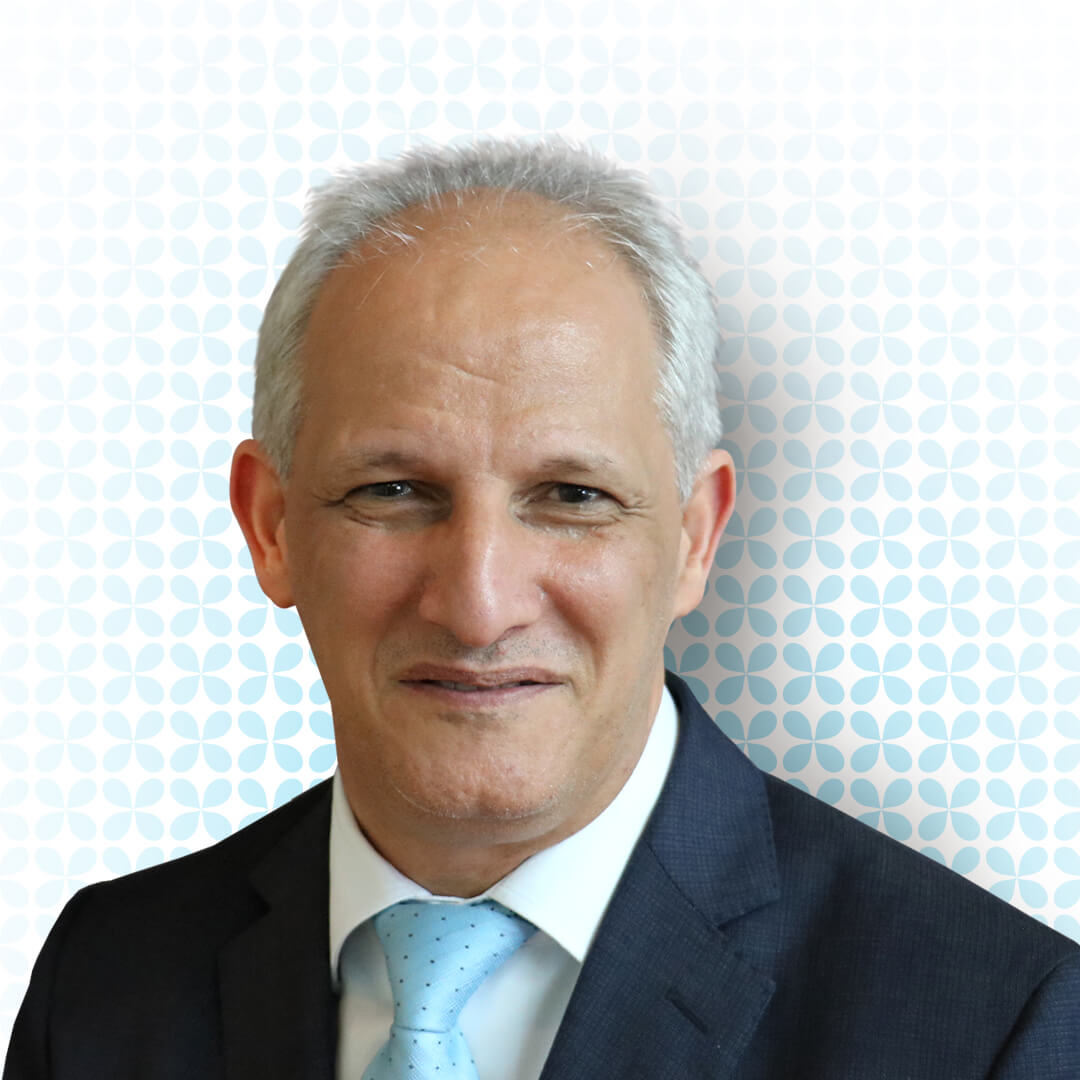
Dr. Osama Giledi
Consultant Ophthalmologist in Cataract, Cornea and Refractive Vision Correction SurgeryChief of Cornea and Refractive surgery
GCAA Approved Specialist Aeromedical Examiner
Associate Professor Of Ophthalmology (Adjunct)
- Advanced phacoemulsification cataract surgery
- Premium intraocular lenses, including toric, multifocal and extended-depth-of-focus (EDOF) lenses
- Full-thickness and partial-thickness corneal transplantation
- SALK, DALK and DSAEK procedures
- Management of complex corneal disorders
- Advanced surgical and non-surgical corneal therapeutics
- SMILE
- Femto-LASIK
- PRK and TransPRK
- Phakic intraocular lenses, including ICL
- Corneal cross-linking
- Intracorneal ring segments
- Complex laser treatments
- Corneal transplantation
- Severe dry eye disease
- Meibomian gland dysfunction (MGD)
- Pterygium
- Limbal stem cell deficiency
- Ocular surface reconstruction
- Amniotic membrane grafting
- Pterygium excision with conjunctival autograft and fibrin glue techniques
- MBBCh, Medical Degree, Libya
- Specialist Ophthalmology Training, United Kingdom
- FRCSEd (Ophthalmology), Royal College of Surgeons of Edinburgh, UK
- Certification in Refractive Surgery, Royal College of Ophthalmologists, London, UK
- Six-month Clinical Fellowship in Cornea and External Eye Disease, Royal Victoria Infirmary, Newcastle, UK
- Two-year Higher Subspecialty Fellowship in Anterior Segment, Cornea and Refractive Surgery, Corneoplastic Unit and Eye Bank, Queen Victoria Hospital, East Grinstead, UK
- Royal College of Surgeons of Edinburgh, UK
- United Kingdom & Ireland Society of Cataract and Refractive Surgeons ( UKISCRS)
- European Society of Cataract and Refractive Surgeons (ESCRS)
- American Society of Cataract and Refractive Surgeons (ASCRS)
- Emirates Ophthalmology Society (ESO)
- Member, UAE National Organ and Tissue Program Corneal Transplant Committee
- Associate Professor of Ophthalmology (Adjunct) at Mohammed Bin Rashid University of Medicine and Health Sciences (MBRU)
- Extensive experience in ophthalmic teaching and surgical trainingin
- Presenter at national and international ophthalmology meetings
- Author of research published in peer-reviewed scientific journals

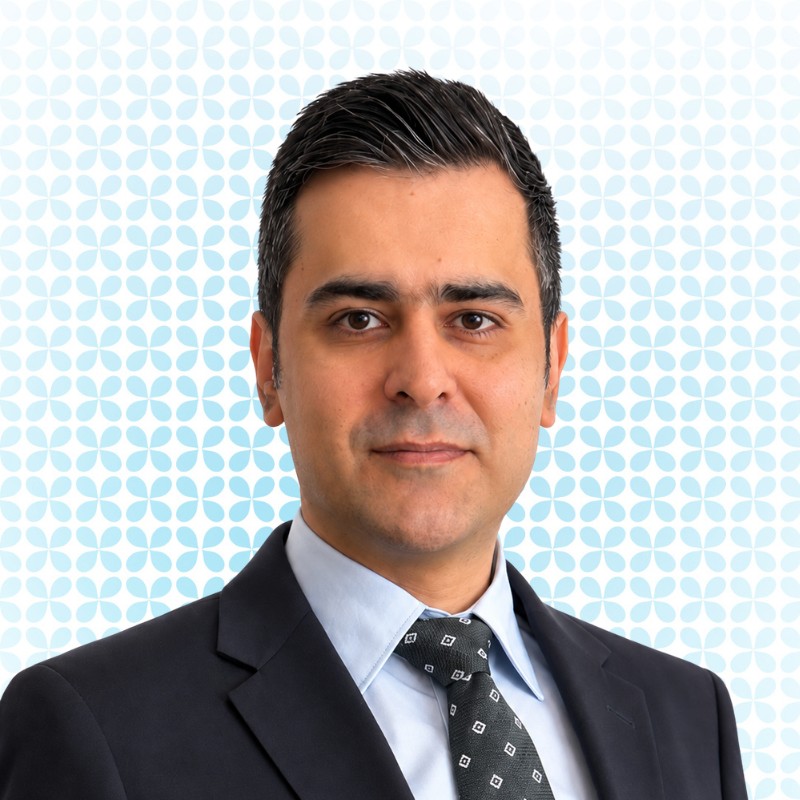
Dr. Hamed Abbasi
Specialist Ophthalmologist in Cornea and Refractive surgeryAreas of Expertise
- Refractive surgery, including PRK, TransPRK, FemtoLASIK and FemtoSMILE
- Implantable Collamer Lenses (ICL)
- Cataract surgery, including multifocal intraocular lenses (IOLs)
- Corneal transplantation, including PKP, DALK, DSAEK and DMEK
- Keratoconus management
- Pterygium surgery
- Dry eye management
- Upper and lower eyelid blepharoplasty
Qualifications
- Doctor of Medicine (MD)
- Board of Ophthalmology Speciality, Shahid Beheshti University of Medical Sciences, Tehran, Iran
- Fellowship in Cornea and Refractive Surgery, Shahid Beheshti University of Medical Sciences, Tehran, Iran
Professional Affiliations
- Member of the Emirates Society of Ophthalmology
Research & Academic Work
- Published research in the field of cornea in peer-reviewed journals, including the American Journal of Ophthalmology and Eye, the journal of the Royal College of Ophthalmologists
- Serves as a peer reviewer for medical journals, including the American Journal of Ophthalmology and Medicine
- Regularly participates as a speaker and instructor at scientific congresses organised by the Emirates Society of Ophthalmology
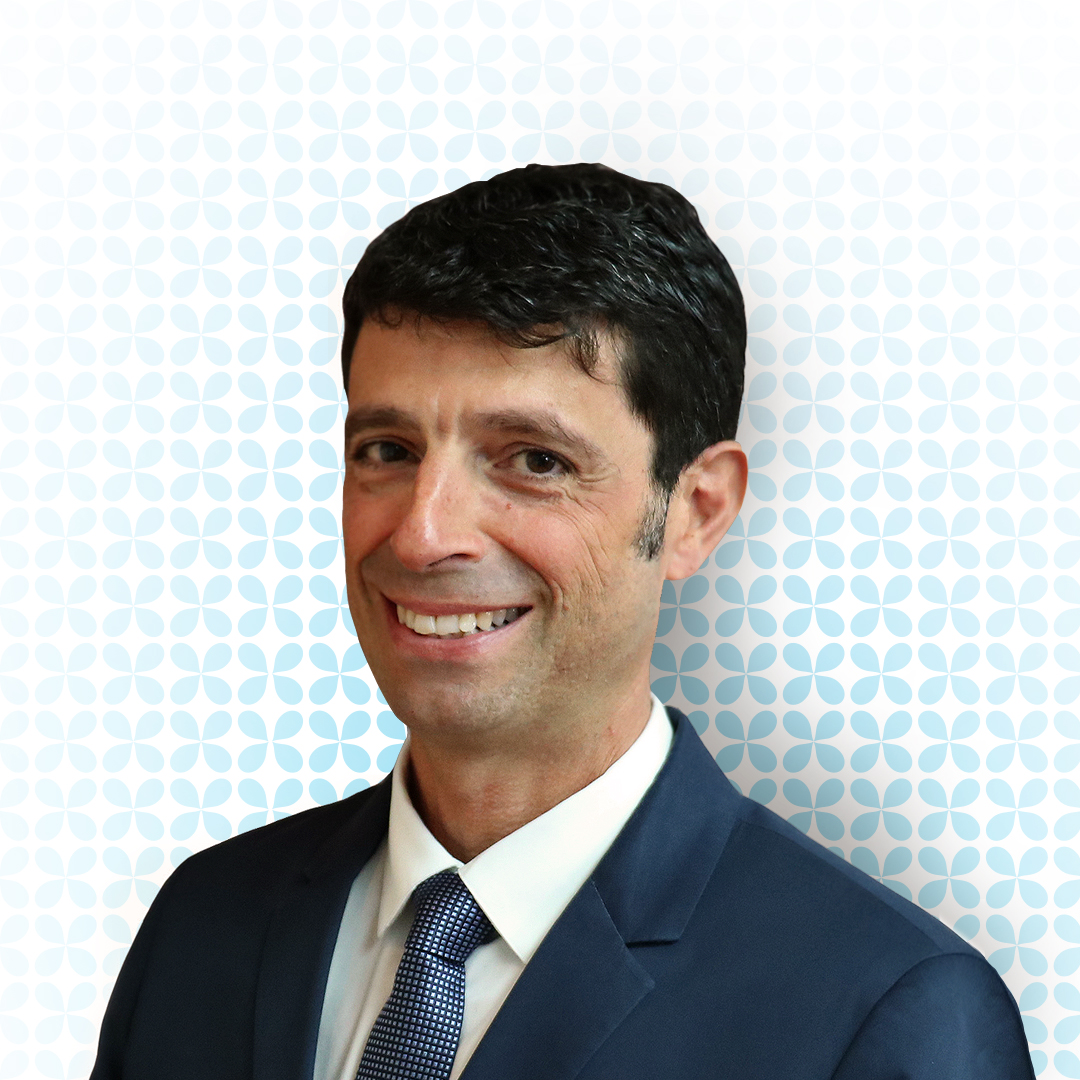
Dr. Miguel Morcillo
Consultant Ophthalmologist in Cornea, Cataract and Refractive vision correction surgery- Corneal diseases
- Cataract surgery
- Laser Vision correction surgery: LASIK, LASEK, TransPRK and SMILE
- Implantable Collamer Lenses (ICLs)
- Multifocal intraocular lenses (IOLs)
- Keratoconus surgery
- Degree in Medicine from the Universitat de Valencia, Spain
- Ophthalmology Residency completed through the MIR (Médico Interno Residente) programme of the Spanish Ministry of Health
- Advanced training in corneal surgery at NIIOS Eye Institute, Rotterdam, the Netherlands
- Member of Sociedad Española de Oftalmología (SEO)
- Member of the Pan-American Association of Ophthalmology (PAAO)
- Member of the European Vitreoretinal Society (EVRS)
- Member of Surgical Eye Expeditions International (SEE International)
- Research in surgical techniques and outcomes, including Ultrathin LASIK, keratoconus screening, ICLs and multifocal IOLs
- Presented research at national and international congresses and in scientific journals
- Organised educational courses on refractive surgery for ophthalmology peers and opticians
- Experienced educator of surgeons in anterior segment and refractive surgery
- Contributed to the development and implementation of refractive treatments including LASIK, LASEK, ICLs and multifocal IOLs