


What you need to know about Cataracts
This blog has been contributed by Dr. Salman Waqar, Consultant Ophthalmologist in Cataract and Glaucoma Surgery at Moorfields Eye Hospital Dubai.
Cataracts are one of the most common causes of gradual vision change as we age. In Dubai and across the UAE, many people first notice subtle symptoms that are easy to dismiss, such as a slight blur, increased glare when driving at night, or colours that no longer appear as vivid as they once did. Over time, cataracts can begin to interfere with daily activities such as reading, driving, recognising faces, or using digital devices.
Understanding what cataracts are, how they develop, and how they are treated can help you recognise symptoms early and make informed decisions about your eye health and treatment options.
What are cataracts?
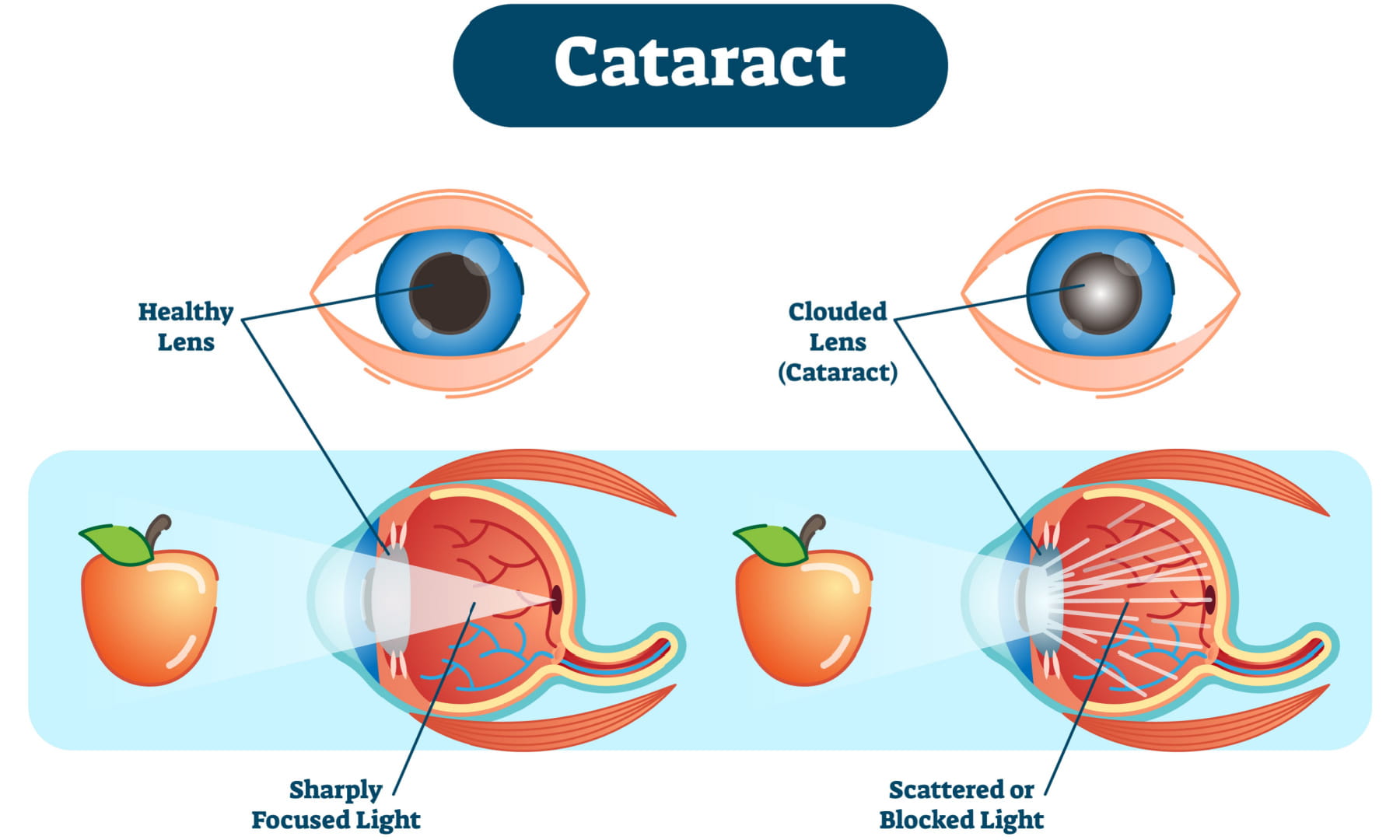
Inside each eye sits a clear, flexible structure called the lens. The lens focuses light onto the retina, allowing the brain to form clear images. In a healthy eye, the lens is transparent, enabling light to pass through without distortion.
A cataract occurs when this lens becomes cloudy or opaque, preventing light from passing through clearly. As a result, vision becomes blurred, hazy, or dim, much like looking through a fogged or scratched window.
Cataracts typically develop slowly and painlessly, which is why many people do not notice the change immediately.
Why do cataracts develop?
The most common cause of cataracts is ageing. Over time, the proteins within the lens begin to break down and clump together, reducing the lens’s clarity. This process is a natural part of ageing and affects most people to some degree.
Globally, cataracts remain a significant cause of vision loss. According to the World Health Organization (WHO) and data referenced by the National Institutes of Health (NIH), untreated cataracts are the leading cause of blindness worldwide, accounting for approximately 50–51% of global blindness, particularly in older populations.
Cataracts are also a major eye health concern in the UAE. As mentioned by the National Institutes of Health (NIH), a population-based visual impairment survey conducted in Dubai found that cataracts were responsible for approximately 17.2% of visual impairment cases among adults, making them one of the leading causes of reduced vision in the local population.
In addition to age, other factors can contribute to cataract development, including:
- Diabetes, which is prevalent in the UAE
- Prolonged exposure to ultraviolet (UV) light
- Smoking
- Certain medications, such as long-term steroid use
- Eye injuries or trauma
- Previous eye surgery
What are the types of cataracts?
While age-related cataracts are the most common, cataracts can develop for different reasons and at different stages of life:
- Age-related cataracts: These develop gradually as part of the natural ageing process and are the most frequently diagnosed type in Dubai and the wider UAE.
- Congenital cataracts: Present at birth or developing in early childhood, often due to genetic factors or infections during pregnancy.
- Traumatic cataracts: Caused by eye injury, which may lead to cataract formation immediately or years later.
- Secondary cataracts: Develop as a result of other eye conditions, systemic diseases, or medications.
Regardless of the type, the impact on vision is similar, and management depends on how much the cataract interferes with daily life.
What are the symptoms of cataracts?
Cataracts do not develop overnight. Symptoms often progress gradually and may include:
- Blurred or cloudy vision
- Increased sensitivity to glare, especially from headlights or bright sunlight
- Halos around lights
- Difficulty seeing at night
- Colours appearing faded or yellowed
- Double vision in one eye
- Frequent changes in glasses or contact lens prescriptions
As cataracts progress, these symptoms become more noticeable and can significantly affect quality of life, particularly for those who drive frequently or use digital screens for work in a fast-paced city like Dubai.
Does cataract threaten vision?
Cataracts do not damage the eye itself, and vision loss caused by cataracts is reversible. However, if left untreated, cataracts can eventually lead to significant visual impairment, affecting independence and safety.
How are cataracts diagnosed?
Cataracts are diagnosed through a comprehensive eye examination. This includes:
- Assessment of visual acuity
- Examination of the lens using a slit lamp microscope
- Evaluation of the retina and optic nerve
- Measurement of eye pressure
- Detailed discussion of symptoms and daily visual needs
Not all vision changes are caused by cataracts, which is why a thorough assessment is essential before deciding on treatment.
When is cataract surgery recommended?
Cataracts are not treated based on how they look, but on how they affect your vision and daily activities. Surgery is usually recommended when cataracts begin to interfere with tasks such as driving, reading, working, or maintaining independence.
There is no benefit in waiting until a cataract becomes “fully mature.” Modern cataract surgery in Dubai and across the UAE is typically performed when symptoms become bothersome and impact quality of life.
Understanding cataract surgery
Cataract surgery involves removing the cloudy natural lens and replacing it with a clear artificial lens, known as an intraocular lens (IOL). This lens remains in place permanently and does not require maintenance.
Cataract surgery is one of the most commonly performed and successful surgical procedures worldwide. Studies cited by the National Institutes of Health (NIH) show that over 95% of patients experience improved vision following cataract surgery, assuming there are no other underlying eye conditions.
The procedure is usually performed as a day surgery, under local anaesthesia, and typically takes less than 30 minutes per eye.
Life after cataract surgery
Most patients notice improved vision within days of surgery, with gradual refinement over the following weeks. Eye drops are prescribed for a short period to reduce inflammation and prevent infection.
During recovery, patients are advised to:
- Avoid rubbing the eyes
- Use prescribed eye drops as directed
- Wear sunglasses outdoors to protect from bright light
- Avoid heavy lifting or strenuous activity for a short period
At Moorfields Eye Hospital Dubai, patients receive personalised post-operative care and follow-up to ensure smooth recovery and optimal visual outcomes.
Why early assessment matters
Left untreated, cataracts can eventually lead to significant vision impairment. Early assessment allows for:
- Timely planning of surgery
- Monitoring of progression
- Differentiation from other eye conditions
- Better surgical outcomes
With advances in surgical techniques and lens technology, cataract surgery today offers not only vision restoration but also the opportunity to improve overall visual quality for patients across Dubai and the UAE.
Summary
Cataracts are a common age-related eye condition that can gradually affect vision and quality of life. While cataracts cannot be reversed with medication, cataract surgery is a safe and effective treatment that restores clarity and visual function for millions of people each year.
If you notice changes in your vision, a comprehensive eye examination is the first step toward understanding the cause and exploring appropriate treatment options.
Frequently Asked Questions (FAQs)
1. Are cataracts preventable?
Cataracts are largely a natural part of ageing and cannot be completely prevented. However, certain lifestyle choices may help slow their development or progression. Protecting your eyes from excessive ultraviolet (UV) exposure by wearing sunglasses, maintaining good control of conditions such as diabetes, avoiding smoking, and following a healthy diet may all support long-term eye health. Regular eye examinations are also important, as they allow cataracts to be detected and monitored early.
2. Can cataracts affect both eyes at the same time?
Yes, cataracts commonly develop in both eyes. However, they often progress at different rates, meaning one eye may be affected earlier or more severely than the other. This difference can sometimes make the vision imbalance more noticeable. Each eye is assessed individually, and treatment decisions are based on how cataracts affect daily activities and vision in each eye.
3. Is cataract surgery painful?
Cataract surgery is generally not painful. It is usually performed under local anaesthesia, which numbs the eye and keeps you comfortable throughout the procedure. You may feel mild pressure or awareness, but pain is uncommon. After surgery, some patients experience mild irritation or grittiness, which typically settles within a short period and is well managed with prescribed eye drops.
4. How long does cataract surgery recovery take?
Recovery after cataract surgery is usually straightforward. Many people notice clearer vision within a few days, although vision may continue to improve gradually over several weeks. Most daily activities can be resumed relatively quickly, with certain precautions advised during the early healing period. Your ophthalmologist will guide you on activity levels and follow-up care to support a smooth recovery.
5. Will I still need glasses after cataract surgery?
This depends on the type of intraocular lens (IOL) implanted and your individual visual needs. Some lenses are designed to correct distance vision, while others may reduce the need for glasses for both near and distance tasks. Even with advanced lens options, some people may still require glasses for specific activities, such as reading or driving at night. Your surgeon will discuss suitable lens choices before surgery.
6. Can cataracts return after surgery?
Once a cataract has been removed, it cannot return. However, some patients may develop clouding of the thin membrane that holds the artificial lens in place, a condition sometimes referred to as “secondary cataract.” This is not a recurrence of the cataract and can be easily treated with a quick, painless laser procedure that restores clear vision.
7. Is cataract surgery safe for older adults?
Yes. Cataract surgery is commonly performed in older adults and is considered safe and effective. Age alone is not a limiting factor. What matters more is overall health, eye condition, and suitability for surgery. Many older patients experience significant improvements in vision, independence, and quality of life following cataract surgery.
8. Can cataracts cause complete blindness if untreated?
If cataracts are left untreated for a long time, they can lead to severe vision impairment and, in rare cases, functional blindness. However, in settings where regular eye care is accessible, this outcome is uncommon. Early detection and timely treatment help prevent cataracts from progressing to a stage where they significantly limit vision or daily functioning.