


What is a blocked tear duct?
Blocked tear ducts are a common condition affecting people of all ages. This occurs when tears cannot drain properly due to a blockage in the tear drainage system. When these ducts are blocked, tears cannot flow into the nasal cavity as they should, leading to watery eyes, recurrent infections, and sometimes pain or swelling around the eyes.
Most nasolacrimal duct procedures are performed by highly skilled surgeons using the latest techniques. These procedures are generally safe and effective, and many patients experience significant symptom relief. Depending on the type of surgery, the procedure typically takes about 30 minutes to an hour, and patients can usually go home the same day.

هل تبحث عن مزيد من المعلومات؟
استكشف الأسئلة الشائعة للحصول على معلومات إضافية حول حالتك ورعايتك وعلاجك.
الأسباب الشائعة لانسداد القناة الدمعية
يمكن حدوث انسداد القناة الدماعية لأسباب مختلفة، منها:
- العيوب الخِلقية: يولد بعض الرضع بقنوات دمعية مسدودة، ويكون سبب ذلك وجود غشاء غير مكتمل النمو أو غير مفتوح في نهاية القناة الأنفية الدمعية.
- العدوى: يمكن أن تسبب عدوى العين أو الجيوب الأنفية التهابًا يؤدي بدوره إلى انسداد القناة الدمعية.
- الالتهاب: يمكن أن تؤدي الحالات الالتهابية إلى تورم القنوات الدمعية، مما يؤدي إلى انسدادها.
- الإصابة أو الصدمة: يمكن أن تؤدي الإصابات البدنية في الوجه، وخصوصًا على مقربة من العينين أو الأنف، إلى تلف في القنوات الدمعية وتسبب انسدادها.
- التغيرات المرتبطة بالعمر: قد يؤدي تقدم العمر إلى تضيق القنوات أو فقدانها لمرونتها، وهو ما يزيد خطر الإصابة بالانسداد.
- الأورام أو الكتل: يمكن أن تؤدي الأورام الحميدة أو الخبيثة على مقربة من القناة الدمعية إلى سد تصريف الدموع.
- الجراحات السابقة أو العلاج الإشعاعي السابق: قد تؤدي الإجراءات الجراحية التي تتضمن العين، أو الأنف، أو الجيوب الأنفية، وكذلك العلاج الإشعاعي، إلى ندوب أو تضيق في القنوات الدمعية.
أعراض انسداد القناة الدمعية
قد تشمل أعراض انسداد القناة الدمعية ما يلي:
- الإدماع المفرط أو الإفراز الزائد للدموع (الدماع)
- احمرار في الجزء الأبيض من العين
- العدوى المتكررة أو الالتهاب المتكرر بالعين
- التورم المؤلم على مقربة من الركن الداخلي للعين
- قشور بالأجفان
- إفراز من الأجفان وسطح العين
- ضبابية الرؤية
علاج انسداد القناة الدمعية
جراحة مجرى الدمع
(DCR) إجراء جراحي مصمم لإنشاء مجرى جديد للتصريف بين العين والأنف، لتجاوز الانسداد بفاعلية. توجد عدة أساليب لجراحة القناة الدمعية، وكل منها مصمم حسب الاحتياجات المحددة لكل مريض:
الجراحة الخارجية
تتضمن على صنع شق صغير على جانب الأنف، على مقربة من الركن الداخلي للعين. وينشئ الجراح فتحة جديدة لتصريف الدموع من خلال ذلك الشق، وهو ما يتيح تدفق الدموع بصورة طبيعية من العينين إلى الأنف. وبينما تؤدي تلك الطريقة إلى ندبة صغيرة، فهي شديدة الفاعلية في البالغين المصابين بانسدادات شديدة أو المزمنة بالقناة الدمعية.
الجراحة بالمنظار
هي شكل طفيف التوغل من معالجة القناة الدمعية يتجنب الشقوق الخارجية. وبدلًا من ذلك، تُستخدم كاميرا صغيرة (منظار) وأدوات جراحية دقيقة لإنشاء مجرى جديد لتصريف الدموع عبر الأنف. ولا يؤدي هذا الأسلوب إلى ندوب ظاهرة، ويتيح عادةً التعافي السريع. وهو خيار فعال لمن يعانون انسدادات مزمنة بالقناة الدمعية، فيخفف الأعراض مثل الإدماع المفرط والعدوى المتكررة.
جراحة الليزر عبر القناة
تُعد هذه التقنية من أحدث وأسهل طرق العلاج ، حيث يستخدم الليزر لإنشاء مجرى جديد لتصريف الدموع. دون أي جروح أو ندوب ظاهرة في البشرة. دقة الليزر تقلل مدة التعافي، مما يتيح للمرضى استئناف الروتين المعتاد لهم بمعدل أسرع.
تُجرى أغلب إجراءات مجرى الدمع الأنفية بواسطة جراحين على درجة عالية من الكفاءة في استخدام أحدث التقنيات. وتكون هذه الإجراءات آمنة وفعّالة بشكل عام، ويشعر العديد من المرضى بتحسن ملحوظ في الأعراض. وحسب نوع الجراحة، يستغرق الإجراء في المعتاد حوالي 30 دقيقة إلى ساعة، ويستطيع المرضى العودة للمنزل في نفس اليوم.
التعافي والرعاية بعد العلاج
يتباين التعافي من الجراحة الدمعية حسب نوع الإجراء. ومشاركة المرضى في الرعاية بعد العلاج ضرورية لنجاح التعافي. ويجب اتباع توصيات الجراح، واتباع نظام الأدوية الموصوف، وحضور كل مواعيد المتابعة.
- الرعاية بعد الجراحة: قد يحتاج المرضى استخدام قطرات العين الموصوفة لهم وتجنب الأنشطة التي قد تجهد العينين أو الأنف.
- زيارات المتابعة: مواعيد المتابعة ضرورية لمراقبة التعافي وضمان نجاح إصلاح القناة الدمعية.
- معالجة الأعراض: قد تحدث بعض الأعراض المؤقتة، مثل الانزعاج أو الإدماع الخفيف، أثناء التعافي ولكن يُفترض أن تتحسن بالتدريج مع تقدم التعافي.
اخصائيين تشوهات القناة الدمعية
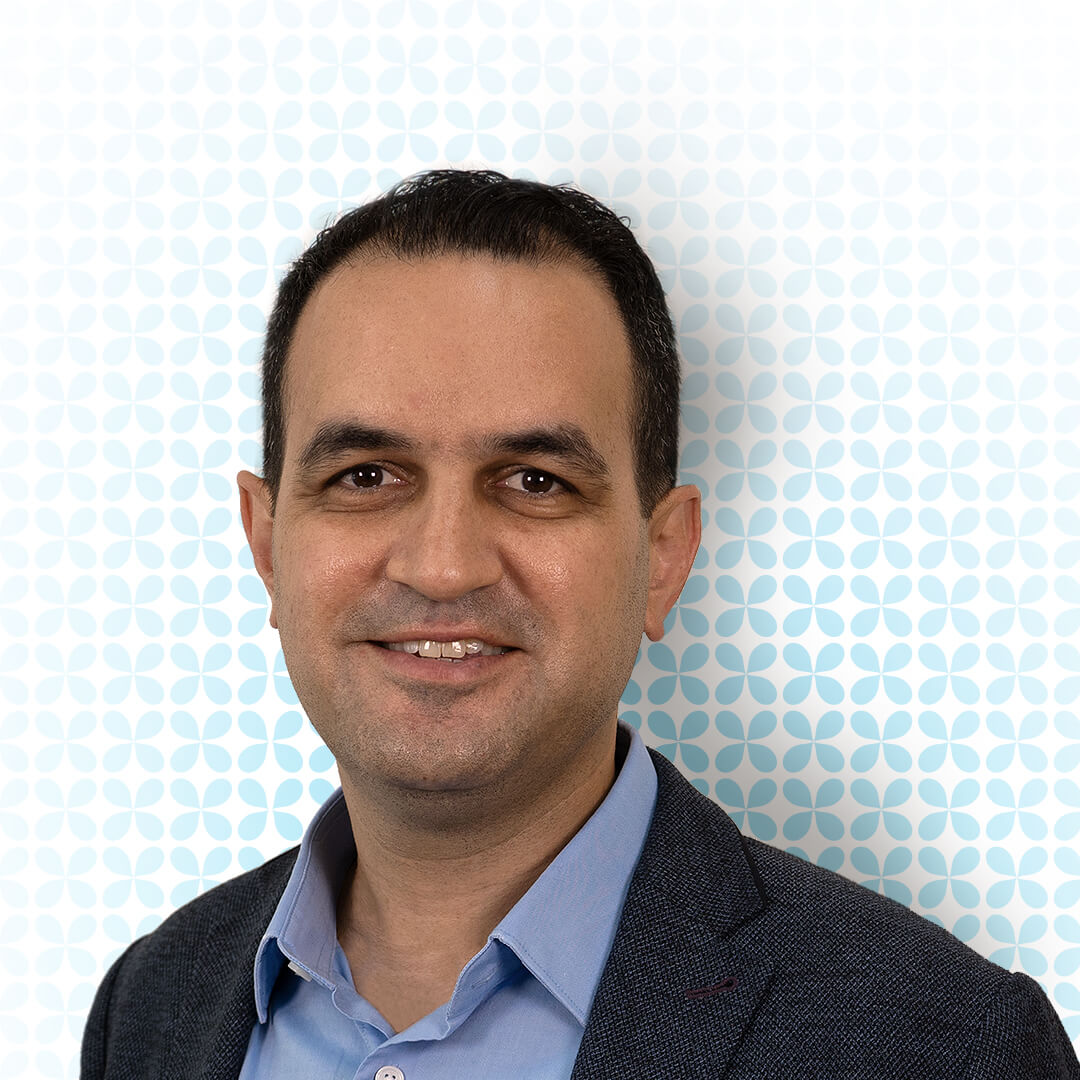
د. قسيم ناصر
استشاري زائر في جراحة العين التجميلية والترميمية

د. خالد الخياط
استشاري زائر في طب العيونأخصائي في جراحة العين التجميلية

د. رفيق أنطونيوس
أخصائي زائر في طب وجراحة العين التجميلية
د. قسيم ناصر
استشاري زائر في جراحة العين التجميلية والترميمية
If you experience persistent or frequent tearing, it’s essential to see an ophthalmologist, especially if you have redness, discharge, crusting around your eyes, or recurrent infections. It’s also advisable to seek immediate medical attention if you experience pain or swelling near the inner corner of your eye, as this could indicate inflammation of the tear drainage system. If a tear drainage problem is suspected, an oculoplastic and reconstructive surgeon can assess the tear drainage pathway, identify the underlying cause, and develop the most appropriate treatment plan.
The likelihood of a blocked tear duct clearing depends on the person’s age and the underlying cause of the blockage. In infants, the blockage may clear spontaneously within the first year of life as the lacrimal system matures, and sometimes gentle massage of the tear duct can help. In adults, the blockage is usually caused by narrowing of the duct, inflammation, scarring, or injury, which reduces the likelihood of it clearing without treatment. If excessive tearing persists, consulting an ophthalmologist (oculoplastic surgeon) can help determine the cause and assess the most appropriate treatment option, which may include observation, conservative treatment, or intervention.
A blocked tear duct usually doesn’t cause permanent changes in vision, although increased tear production on the surface of the eye can cause temporary blurred vision. This blurred vision often improves once the tears subside or normal drainage is restored. However, if there is persistent blurred vision, pain, or any other changes in vision, you should consult an ophthalmologist, as these changes may indicate another eye problem besides a blocked tear duct.
Treatment for blocked tear ducts in infants typically begins with monitoring and gentle massage of the tear ducts, along with careful cleaning of the eyelids. Many cases improve as the tear drainage system develops. If the blockage or symptoms persist, or if infections recur, the doctor may recommend a simple procedure to unblock the tear ducts, in which a thin probe is inserted to open the tear drainage pathway. The timing and type of treatment depend on the child’s age, symptoms, and the results of a physical examination, allowing the doctor to choose the most appropriate method based on the child’s progress.
Massaging the tear ducts in infants can be helpful. Gently massaging the inner corner of the eye helps open the tear drainage passage as it develops. It’s important that this technique is performed correctly, so an ophthalmologist should ensure it’s appropriate for your child and then provide you with the necessary instructions for safe and effective application.
Treatment depends on the cause, location, and severity of the blockage, as well as the patient’s age and examination results. Some cases can be treated conservatively, while persistent or severe blockages require surgery to open the tear drainage pathway. A prominent surgical treatment is dacryocystorhinostomy, which aims to create a new tear drainage pathway between the lacrimal sac and the nose. This procedure can be performed through a small incision near the nose, or endoscopically from the inside without an external incision. Laser technology can also be used in certain specific cases.
The recovery period after tear duct surgery depends on the type of procedure. Generally, most patients can return home the same day as surgery and gradually resume their daily activities. Some may experience mild discomfort, tearing, swelling, or nasal symptoms in the initial stages of recovery, but these usually improve over time. Your cosmetic and reconstructive eye surgeon will provide detailed post-operative care instructions, including when it’s appropriate to return to work, exercise, and other activities, as well as the period during which strenuous activities or pressure on the eye and nose area should be avoided.
Our hospitals in Dubai and Abu Dhabi include specialists in cosmetic and reconstructive eye surgery who diagnose and treat conditions affecting the tear drainage system, including blocked tear ducts in adults and children. Depending on the cause and severity of the blockage, treatment may range from conservative measures to procedures such as dacryocystorhinostomy (DCR) or dacryocystorhinostomy.
Our hospitals in Dubai and Abu Dhabi work with a wide range of insurance companies, but consultation or treatment coverage depends on your insurance policy and any prior approvals your insurer may require. If you are unsure whether your policy covers the care you require, you can contact your insurance company directly, or call us before your appointment, and our team will help you confirm coverage. You can also view the full list of approved insurance companies at: https://moorfields.ae/ar/insurance-provider/
At our specialist hospitals in Dubai and Abu Dhabi, care is provided according to a comprehensive system of clinical governance, auditing, and patient safety procedures, with protocols aligned with those used at Moorfields Eye Hospital in London, and supported by JCI and ACHSI accreditations. For your eye care, this means that your diagnosis, treatment, and follow-up are conducted according to rigorous and reliable clinical standards, ensuring you receive safe and effective care. We also regularly measure our clinical outcomes to provide patients with clear information about the level of care provided. To learn more about our patient satisfaction rates and care outcomes, please see our Satisfaction Rates and Outcomes section: https://moorfields.ae/our-satisfaction-rates/

