


Diabetes and Cataracts: A Guide to Understanding the Link to Protect Your Vision
Medically reviewed on July 2026
Diabetes is a condition that can affect every part of the body, and the eyes are particularly vulnerable to its effects. Whilst many people are aware of the effects of diabetes on general health, fewer understand that diabetes can lead to diabetic eye diseases and increase the risk of developing cataracts and can accelerate their progression. Although ageing is the most commonly associated risk factor for cataracts, people living with diabetes experience lens changes earlier in life due to the direct effects of elevated blood sugar on the eye’s delicate internal structures.
This connection is important for anyone living with diabetes to understand, as early recognition of symptoms and regular eye monitoring can make a meaningful difference to long-term vision health.
What are cataracts?
The eye has a clear natural lens that focuses light onto the retina, allowing sharp, well-defined images to be transmitted to the brain.
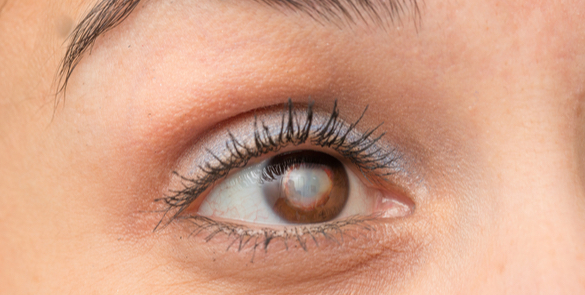
When this lens becomes cloudy, a cataract develops. As the clouding progresses, vision becomes increasingly blurred, glare becomes more bothersome, and activities such as reading, driving, and working with digital screens become noticeably more challenging.
While Cataracts usually develop gradually, in those with diabetes, however, the changes can occur earlier and may progress more quickly compared with people who do not have diabetes. This accelerated progression is one of the reasons why proactive eye care is so important for anyone managing diabetes.
How does diabetes increase the risk of cataracts?
To understand this connection, it is helpful to understand how diabetes affects the body’s regulation of blood sugar. When blood glucose levels remain persistently elevated, the lens of the eye is directly affected, and high glucose concentrations alter both the water balance and the lens’s protein structure, causing it to lose its natural transparency and become opaque. Furthermore, elevated blood sugar levels produce oxidative stress and inflammation in the eye, both of which contribute to cataract development.
Research published by the National Library of Medicine indicates that people with diabetes may be up to five times more likely to develop cataracts, particularly at a younger age. Whilst this statistic does not mean that every person with diabetes will inevitably develop early cataracts, it underscores the importance of consistent monitoring and preventative eye care.
It is also important to understand that this risk increases progressively with the duration of diabetes. The longer someone has lived with diabetes, the greater their cumulative exposure to elevated blood glucose, which in turn increases the likelihood of lens changes occurring. Someone who has had diabetes for fifteen years, for example, faces a substantially higher risk of cataract development than someone recently diagnosed.
What are the symptoms of cataracts in people with diabetes?
The symptoms of cataracts in people with diabetes are generally comparable to those experienced by others, though the presence of diabetes introduces an important additional consideration. Because people with diabetes may develop other retinal conditions simultaneously, any change in vision should never be automatically attributed to cataracts alone without a proper professional examination.
Common symptoms include:
- Blurred or cloudy vision
- Increased glare, especially when driving at night
- Halos around lights
- Colours appearing faded or yellowed
- Difficulty reading or seeing in low light
- Frequent changes in glasses prescription
- Reduced contrast or sharpness
It is important to seek urgent assessment if vision changes occur suddenly, or if distortion, floaters, dark patches, or significant vision loss develop, as these symptoms may indicate retinal complications rather than cataracts alone.
Why does this understanding matter in Dubai and the UAE?
Diabetes represents a significant and growing health challenge throughout the United Arab Emirates. According to the International Diabetes Federation, the UAE was home to approximately 1.27 million adults living with diabetes in 2024, representing an adult diabetes prevalence rate of 20.7 percent. This substantial proportion of the population means that regular eye care has become increasingly critical for patients across Dubai and the wider region.
Diabetes can affect the eyes in more than one way, including cataracts, diabetic retinopathy and diabetic macular oedema. A thorough eye examination with a retina specialist is therefore essential for detecting these conditions in their early stages, before patients are even aware that changes are occurring.
Cataracts and diabetic retinopathy: why both must be checked?
One of the most important points for patients with diabetes is that cataracts may not be the only reason vision is changing.
Diabetic retinopathy affects the blood vessels of the retina, while cataracts affect the lens. Both can exist at the same time. A cataract may make it harder for the ophthalmologist to examine the retina clearly, and diabetic retinopathy may influence the timing and planning of cataract surgery.
This is why cataract assessment in patients with diabetes should include a careful retinal examination. In some cases, retinal imaging or additional tests may be recommended before surgery.
How to manage the risk of cataract when you have diabetes?
Whilst cataracts cannot be prevented, good diabetes management has been shown to reduce the risk of early progression and can contribute to better outcomes should surgery become necessary in the future. There are several evidence-based steps that patients can take to protect their vision.
Helpful steps include:
- Keeping blood sugar levels stable
- Regular monitoring of blood pressure and cholesterol levels
- Attending regular diabetic eye screenings
- Avoiding smoking
- Wearing sunglasses outdoors to reduce UV exposure
- Maintaining a balanced diet and active lifestyle
- Following the advice of your diabetes care team
These preventive measures are valuable not only for reducing the risk of cataracts but also for protecting the retina and maintaining overall eye health throughout life.
When is cataract surgery recommended?
Cataract surgery is typically recommended when the cataract begins to noticeably interfere with daily activities such as reading, driving, working, or even recognising faces.
However, for people with diabetes, the timing of surgery requires especially careful consideration. An ophthalmologist will recommend surgery when vision is significantly affected, while simultaneously assessing the health of the retina, the presence and severity of any diabetic retinopathy, and the current stability of diabetes control.
There is no requirement to wait until a cataract becomes “mature” or severely advanced. In fact, earlier assessment enables better surgical planning and reduces the likelihood of unnecessary treatment delays. This proactive approach often leads to superior long-term outcomes.
Cataract surgery for patients with diabetes
Cataract surgery involves removing the cloudy natural lens and replacing it with a clear artificial lens, also known as an intraocular lens (IOL). These lenses come in different types, each designed to address different vision needs where some provide clear vision at distance, others at multiple distances, and some can correct astigmatism alongside cataract removal. Your ophthalmologist will discuss which option is most suitable for your individual eye health and lifestyle.
For patients with diabetes, thorough preparation is particularly important and typically includes:
- A detailed retinal examination by an ophthalmologist
- Retinal imaging if required
- Review of diabetic retinopathy status
- Ensuring blood sugar is reasonably controlled
- Planning post-operative monitoring carefully
People with diabetes can achieve excellent vision outcomes following cataract surgery, though they may require closer follow-up care than patients without diabetes. This is because diabetes can increase the risk of post-operative inflammation, macular oedema, or progression of diabetic retinopathy in certain cases.
At Moorfields Eye Hospital Dubai, the experienced team of ophthalmologists and retinal specialists recognises that cataract care for patients with diabetes requires a comprehensive approach. Cataract care is planned with meticulous attention to both the lens and the retina, ensuring that all treatment decisions are made with a thorough understanding of overall eye health.
Recovery after Cataract Surgery
Most patients experience noticeable improvement in their vision within days following cataract surgery, though complete visual recovery typically takes several weeks. Eye drops are prescribed to reduce inflammation and support the healing process. For people with diabetes, follow-up appointments are particularly important, as the ophthalmologist will monitor the retina after surgery to check for any swelling or progression of diabetic eye disease.
It is crucial to understand that cataract surgery, whilst treating the cloudy lens, does not eliminate the need for ongoing diabetic eye monitoring. Patients should continue with their regular diabetes care and maintain their eye screening appointments even after successful cataract surgery, as long-term vision health requires sustained attention.
Diabetes and cataracts are closely connected. People with diabetes are more likely to develop cataracts earlier and may experience faster progression. However, with regular eye examinations, good diabetes management and careful surgical planning, cataracts can be treated effectively.
If you are living with diabetes and notice changes in your vision, a comprehensive eye examination can help identify whether cataracts, diabetic retinopathy or another eye condition is affecting your sight.
Early assessment is the best way to protect your vision and make informed treatment decisions.
Frequently Asked Questions
Is cataract surgery safe for people with diabetes?
Cataract surgery can be safe and effective for people with diabetes, but careful planning and follow-up are important. The retina should be assessed before surgery, especially if diabetic retinopathy is present.
Does blood sugar need to be controlled before cataract surgery?
Good blood sugar control is important before and after surgery. Stable diabetes management can support healing and reduce the risk of complications.
Will cataract surgery improve vision if I have diabetic retinopathy?
It depends on the condition of the retina. Cataract surgery can improve vision if the cataract is the main cause of blurring, but diabetic retinopathy or macular oedema may also affect the final visual outcome.
How often should people with diabetes have an eye examination?
People with diabetes should have regular eye examinations as advised by their ophthalmologist or diabetes care team. The frequency may depend on whether diabetic eye disease is present.
Can cataracts be prevented in people with diabetes?
Cataracts cannot always be prevented, but good blood sugar control, regular eye checks, avoiding smoking and protecting the eyes from UV exposure may help reduce risk and support long-term eye health.